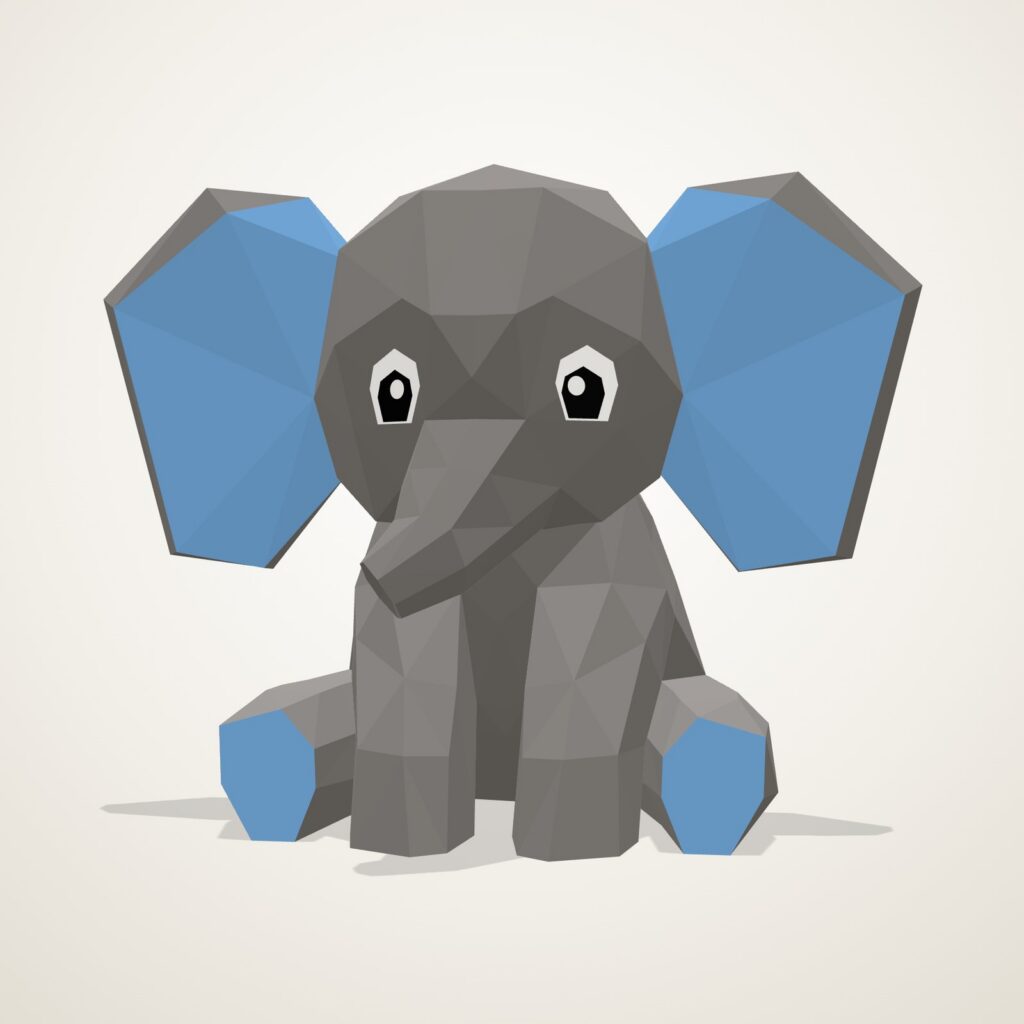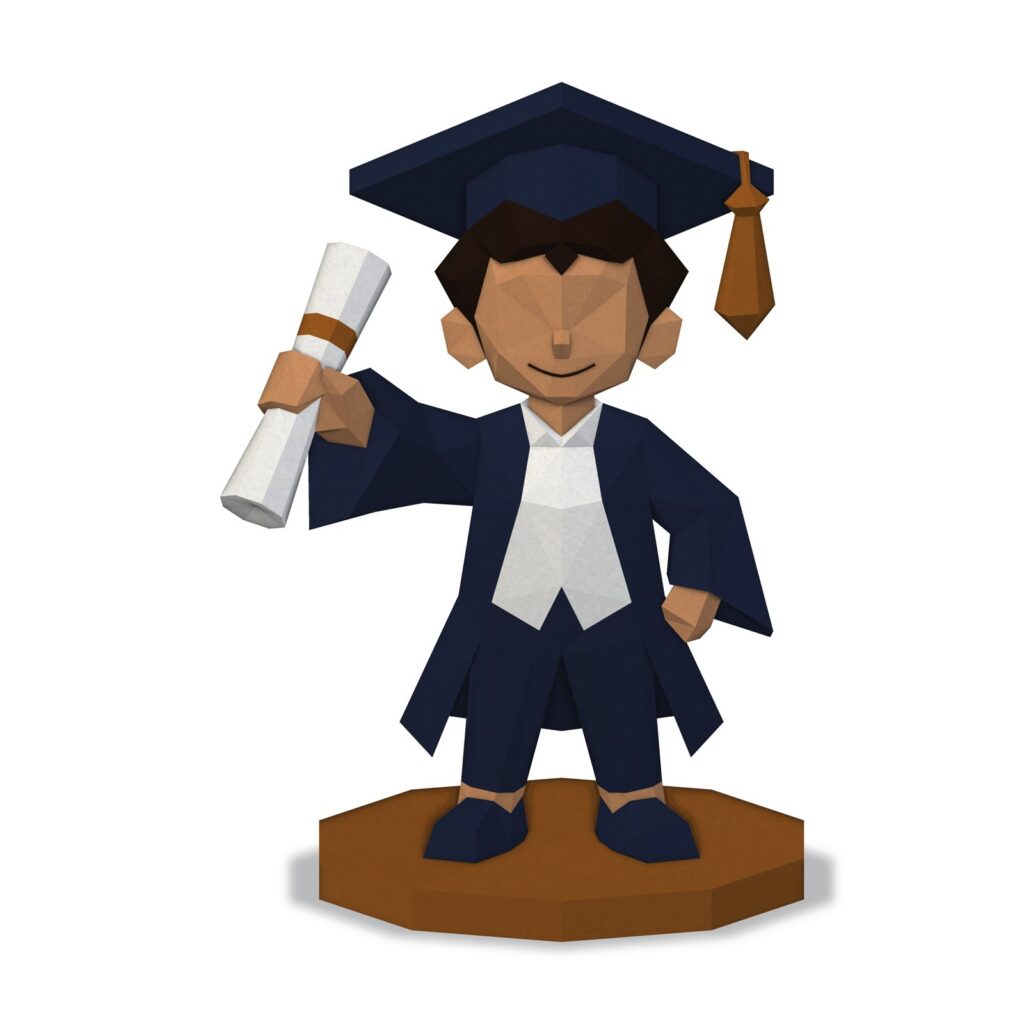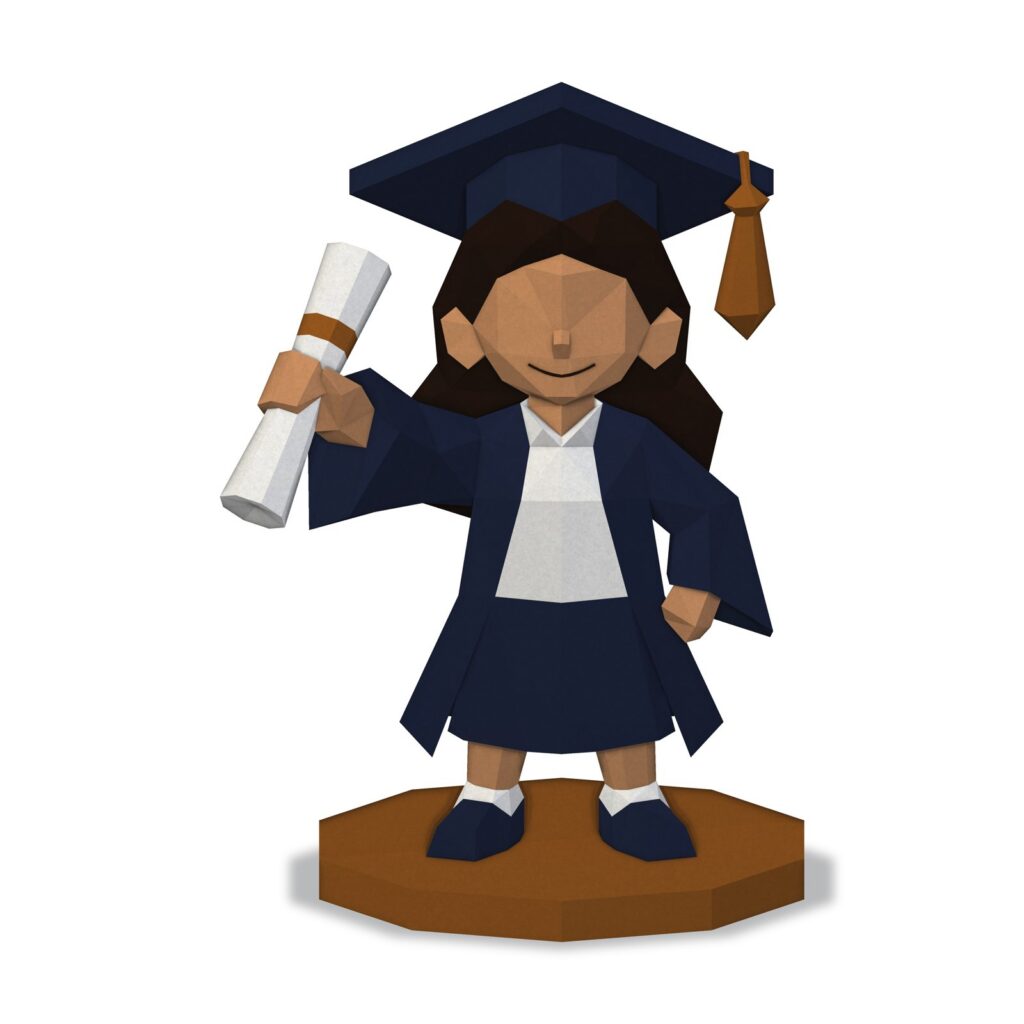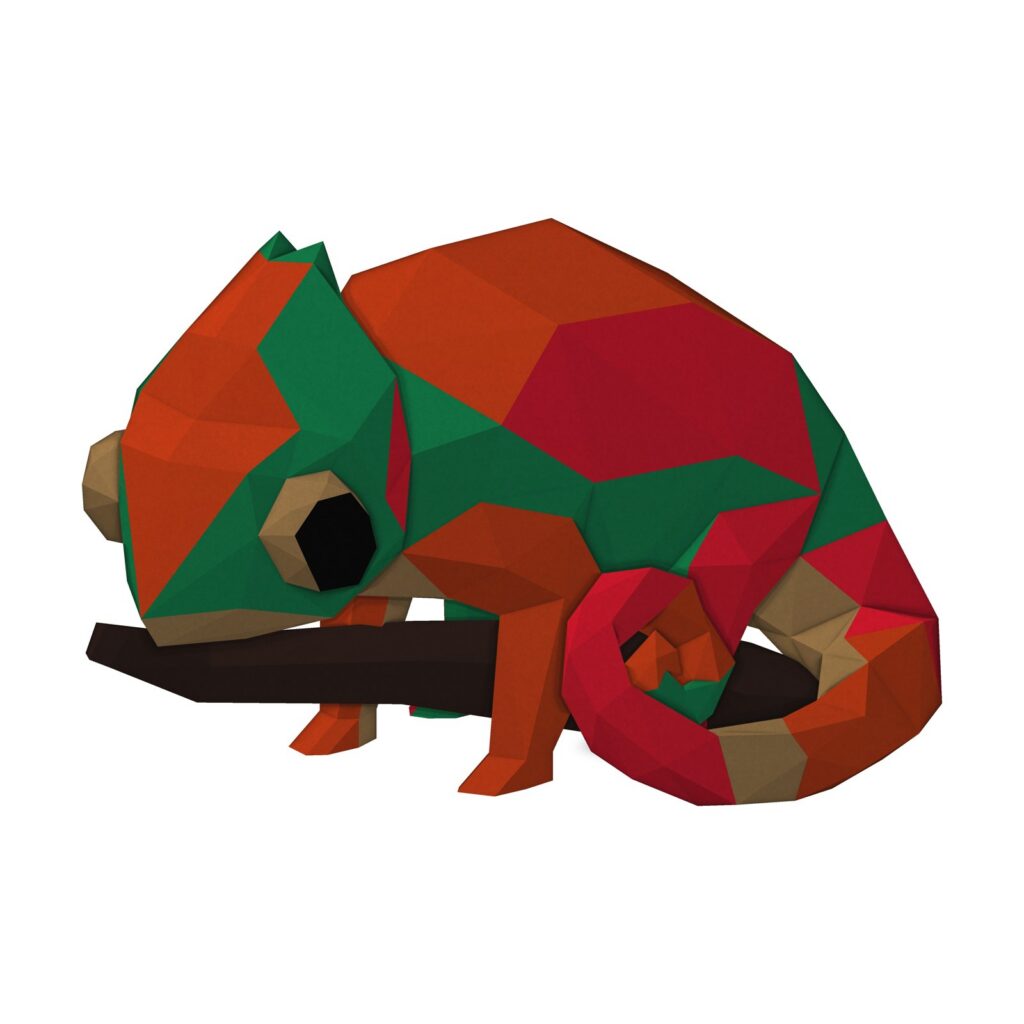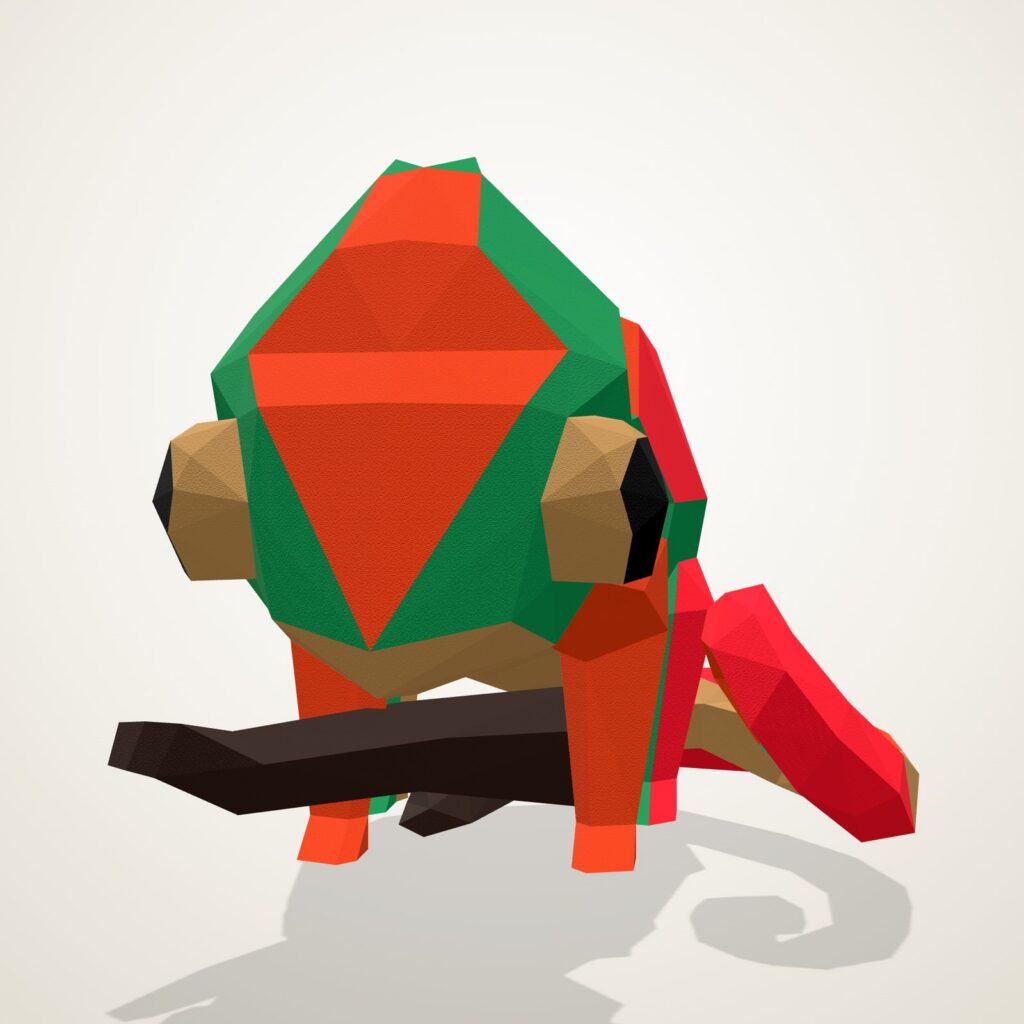
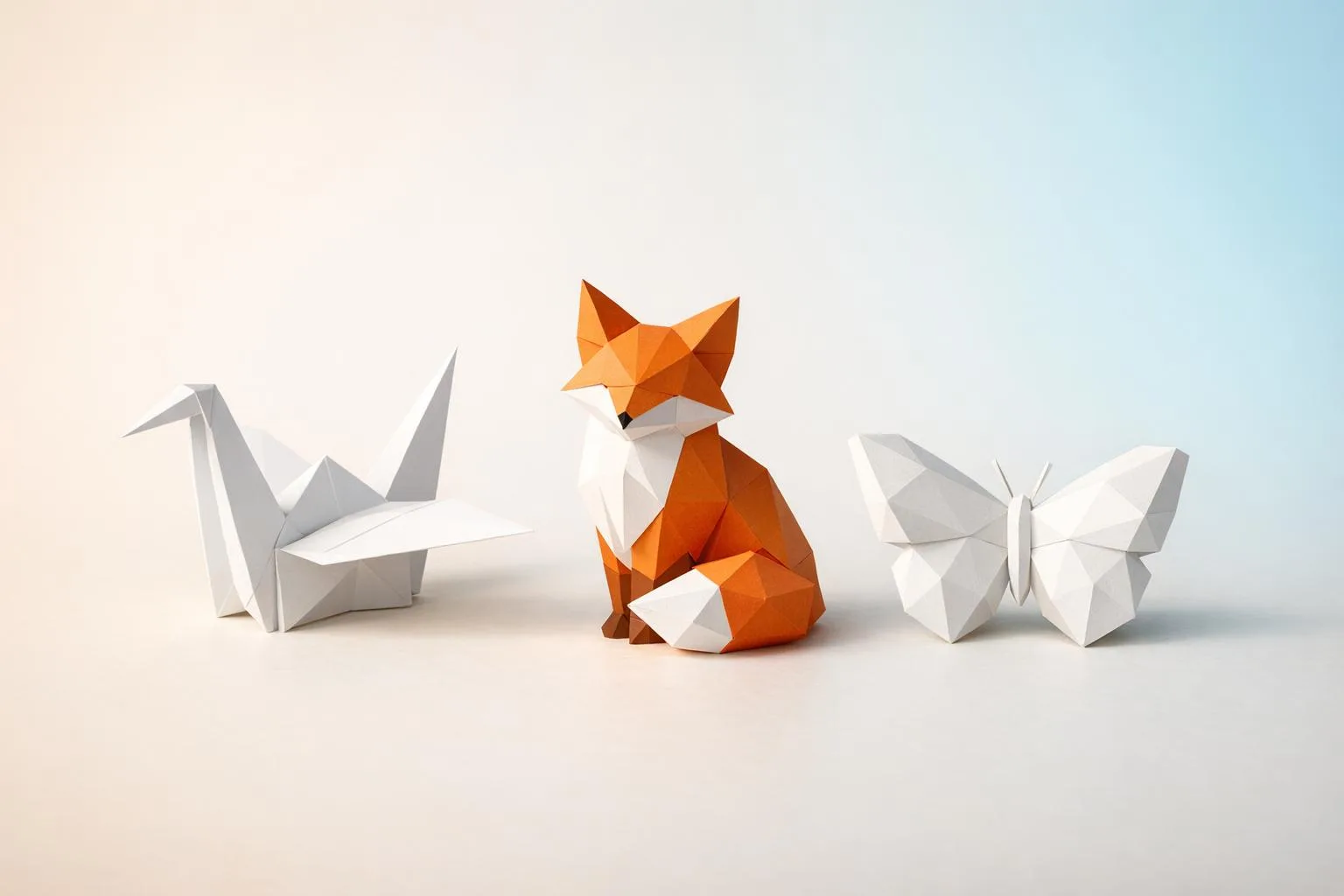
Not sure whether to go for pure folding or full-on 3D building? The papercraft vs origami debate keeps coming up among paper lovers - and for good reason. Both start with a simple sheet, but they don’t require the same moves, the same tools, or the same level of patience. Classic origami is all about the art of folding, geometric precision, and glue-free elegance. Papercraft, on the other hand, opens the door to more sculptural 3D shapes, wall trophies, decorative objects, and super accessible DIY projects. In this guide, you’ll get the real differences, see why papercraft is winning over so many makers in 2026, discover perfect models to get started, learn how to choose based on your skill level, and follow a simple 5-step assembly method. In short: by the end, you’ll know exactly which paper craft style fits you best.

Why papercraft is booming in 2026
If searches for “papercraft vs origami” are skyrocketing, it’s not just because people are curious about the wording. It’s because more and more people want a hands-on activity that feels relaxing, looks great, and delivers a satisfying end result. In 2026, papercraft stands out as the obvious answer. Where traditional origami fascinates through technical purity, papercraft wins people over with instant 3D impact: low-poly animals, design objects, seasonal decorations, lamps, trophies, pop-style shapes… The final result takes up space and becomes a real decor piece.
Another reason for its success: the learning curve is often gentler. In classic origami, one bad fold early on can ruin everything that follows. In papercraft, you cut, score the folds, then assemble step by step. It’s methodical, reassuring, and very beginner-friendly. Many models are designed to be completed in 30 minutes to 2 hours, using minimal tools: 160 to 250 gsm paper, scissors or a craft knife, a ruler, and glue. The result? You quickly end up with something clean, structured, and genuinely rewarding.
Papercraft also fits perfectly with 2026 decor trends: personalised interiors, handmade objects, geometric aesthetics, bold colours, lightweight creations on a small budget. A paper wall trophy, a rocket lamp, a stylised animal on a shelf, or hanging pieces for a party all make a strong visual statement without costing much or taking over the room. It’s a creative activity that ticks a lot of boxes at once: hobby, decor, gift idea, family activity, educational project, and even event styling.
Origami still holds huge prestige, especially for its discipline of movement and its connection to Japanese tradition. But papercraft aligns better with today’s desire for customisation and visual staging. You can change the scale, the colour, the paper, and the final use. It’s less about pure technical performance, more about creative construction. And for a lot of people, that shift is exactly what makes all the difference.
If you want to dive deeper into the world of creative paper art, check out our article on paper art, which shows how these creations fit into modern interiors, as well as our guide on how to choose paper for papercraft, perfect for avoiding material mistakes from the start.
The 11 best models to discover papercraft through assembly
For a related printable project, explore these free papercraft templates.
If you really want to settle the papercraft vs origami question, nothing beats hands-on practice. Here’s a selection of models that show everything papercraft can do: wall decor, seasonal objects, playful creations, design shapes, and animal-inspired builds. The goal isn’t just to “make something pretty,” but to let you feel the real difference between classic folding logic and 3D assembly.
3D lips papercraft model
Price: see product page • Level: beginner to intermediate
This model is perfect for understanding what papercraft adds compared with classic origami: a bold, graphic volume that instantly works as decor. The lips have an easy-to-read shape, but the final result depends on how neatly you fold the tabs and how cleanly you glue everything together. That makes it a great exercise for learning sharp edges without getting lost in an overly complex structure. Ideal for wall decor, a creative studio, or a bedroom with character, this model shows how paper can become a real design object.
Free 3D acorn papercraft
Price: free • Level: beginner
These acorns are perfect little starter pieces if you want to begin without pressure. Their compact size teaches you how to handle tabs, control the glue, and follow a logical assembly order. They’re also great for testing different papers: kraft, textured brown, forest green, or autumn ochre. In just a few minutes, you get a decorative element that works beautifully on an autumn table, a seasonal wreath, or as a creative activity with older kids. If you’re coming from origami, you’ll immediately notice the difference: here, you build the shape instead of revealing it through folding alone.
Free apple tree papercraft
Price: free • Level: beginner to intermediate
The apple tree is especially interesting when comparing papercraft and origami because it combines several volumes in one scene. Trunk, foliage, fruit: each part pushes you to think in sub-assemblies, which is classic papercraft logic. It’s a great model if you’re looking for an educational project to make with a child, or if you want to decorate a bookshelf, classroom, or nature-themed corner. It also introduces a key idea: in papercraft, the overall composition matters just as much as the technical side. You’re making an object, not just a folded figure.
Free 3D airship papercraft
Price: free • Level: intermediate
The airship is a great choice if you want a model with real visual storytelling. Its elongated shape, retro vibe, and hanging presence make it ideal for a child’s bedroom, an office, or a shop display. Technically, it teaches you how to keep symmetry under control, manage stretched volumes, and anticipate visual balance. Where origami often relies on memorising folding sequences, this kind of papercraft invites you to read a template and think like a miniature builder. It’s a different kind of satisfaction - and seriously addictive.
Free Christmas stocking papercraft
Price: free • Level: beginner
This seasonal model is perfect for discovering papercraft in a practical way. As well as being easy to make, it shows how a printed sheet can turn into a festive decoration ready to hang or style on a party table. These Christmas stockings are especially suited to anyone who wants a short project with strong visual impact. If you’re a complete beginner, you’ll quickly see how much more forgiving papercraft can be than traditional origami: the shapes are guided by the template, and you can take your time with each glued join instead of having to nail the move on the first try.
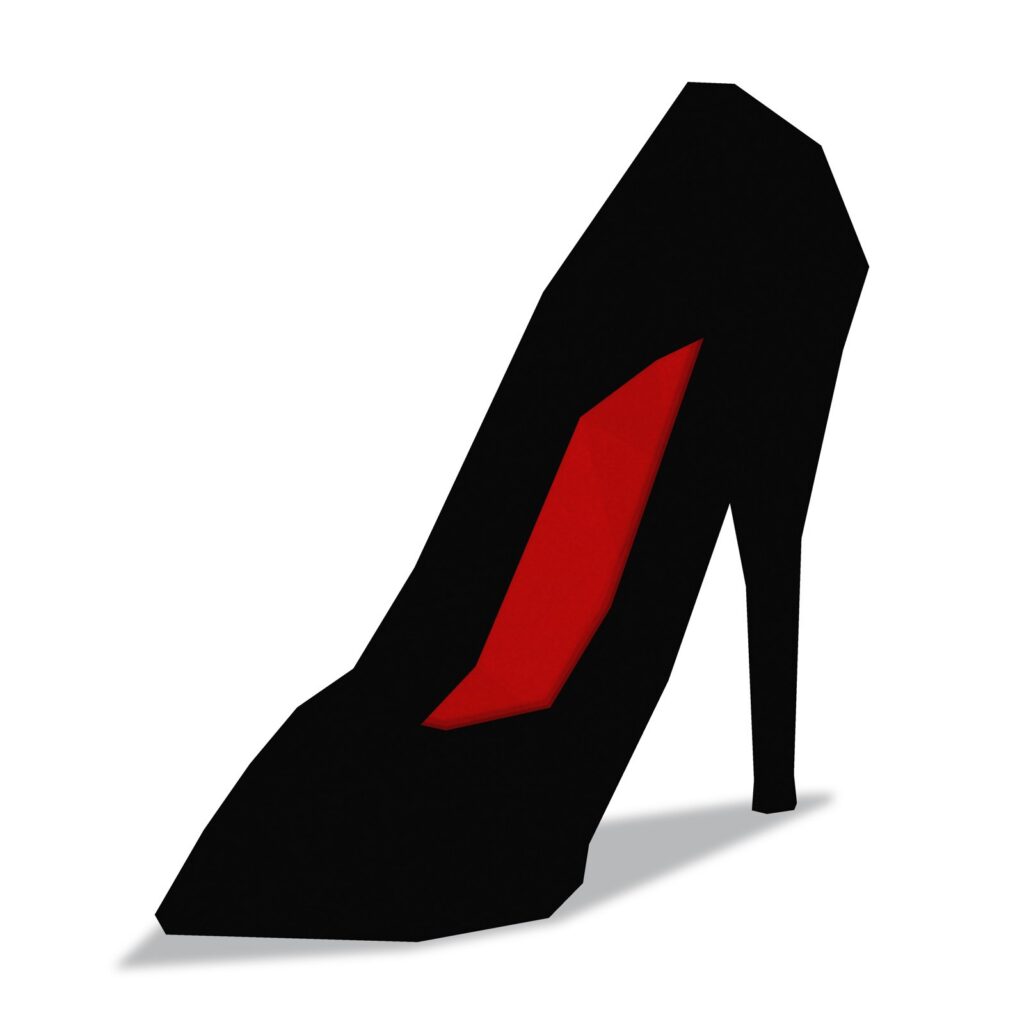
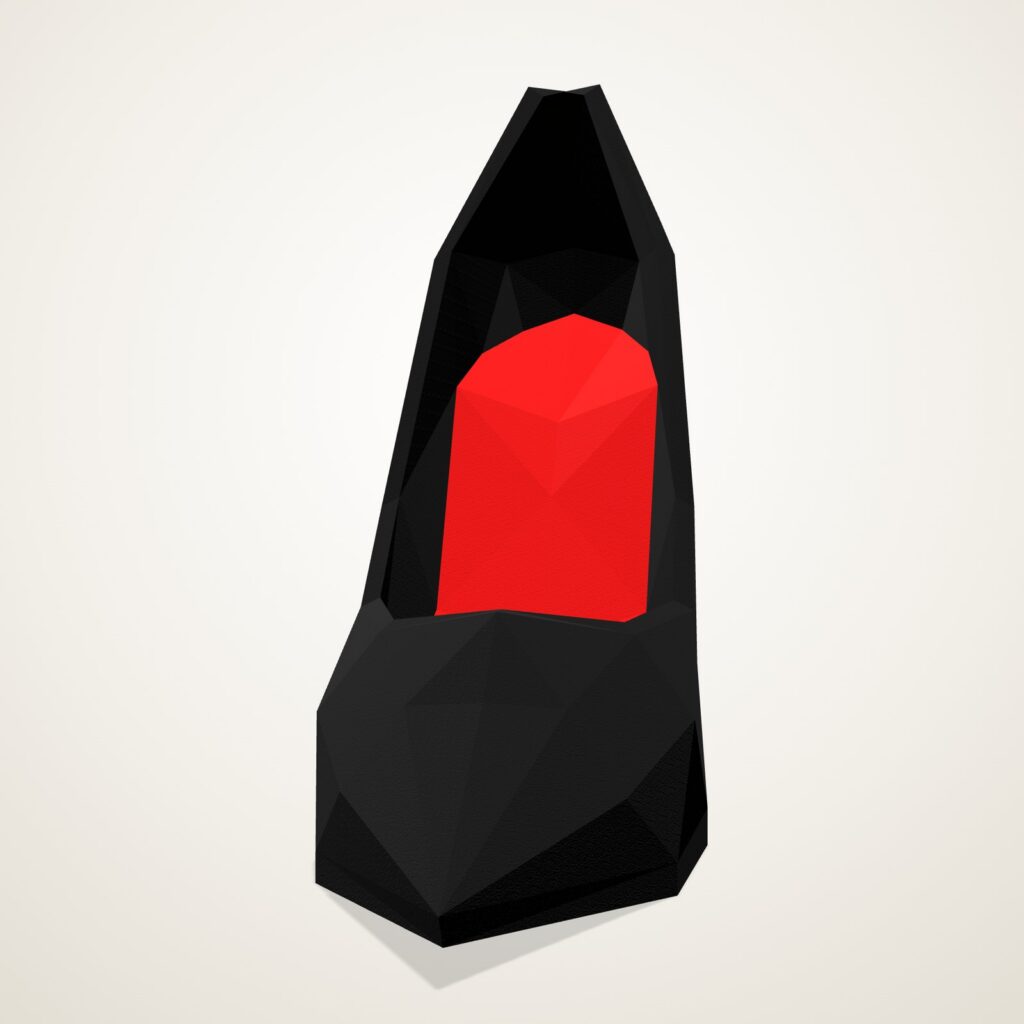
Free 3D elf slipper papercraft
Price: free • Level: beginner
The elf slipper is an excellent little project for working on curves suggested through facets. That’s a key papercraft idea: you don’t get a perfectly smooth curve like you would in modelling - you get a volumetric illusion built from planes. This small model helps you understand how paper, despite its rigidity, can still evoke something soft, playful, and full of character. It’s ideal for year-end decor, a weekend craft session, or a first try before moving on to something more ambitious. Best of all, it stays fun, quick, and not at all intimidating.
Free 3D snake papercraft
Price: free • Level: intermediate
The snake says a lot in a papercraft vs origami comparison. In origami, a snake would mostly be about sequential folds and silhouette. In papercraft, it becomes a segmented volume - more sculptural, more display-worthy, almost like an exhibition piece. This model teaches you how to maintain visual continuity across a long body while assembling multiple faces. It’s a smart choice if you want to move beyond static shapes and understand how a paper structure can suggest movement. Once finished, it looks great as wall decor, on a shelf, or in a jungle-inspired setup.
Free snowflake papercraft
Price: free • Level: beginner
If you’re looking for a simple, decorative model that’s quick to make in multiples, the snowflake is a safe bet. It lets you discover papercraft through symmetry and delicate visual detail. This kind of creation works especially well for windows, Christmas trees, or lightweight hanging decor. It’s also useful for practising crisp mountain and valley folds, something beginners often overlook. Unlike pure origami, you’re not limited to transforming a single sheet: here, you can think in terms of series, repetition, and staging - which completely changes the creative experience.
Free sitting bunny papercraft
Price: free • Level: beginner to intermediate
The sitting bunny is a brilliant transition model for anyone who loves the soft aesthetic of origami but wants a more lifelike result. The volumes stay easy to read, the subject appeals to all ages, and the finished piece looks great on a shelf, hallway table, or Easter display. Technically, it’s a great introduction to assembling visible parts like the ears, chest, and seated base. You quickly realise that papercraft isn’t just arts and crafts - it’s true shape construction, designed to be seen from multiple angles.
Free 3D music notes papercraft
Price: free • Level: beginner
These music notes are ideal if you want a simple project with strong decorative impact. They show that papercraft isn’t just for animals or complex objects - it can also be used to create signs, symbols, and scene-setting elements. For a music room, a party, a teen bedroom, or personalised wall decor, this is a great place to start. As a bonus, the model helps you practise clean lines and visible joins, which quickly improves your precision. Simple, but genuinely useful training.
Free 3D rocket lamp papercraft
Price: free • Level: intermediate
The rocket lamp is exactly the kind of model that makes you instantly understand why papercraft has become such a big deal in DIY decor. This is no longer just a paper object - it’s a creation that can structure a space and become a focal point. It’s especially popular in children’s bedrooms and retro-futuristic interiors. Technically, you’ll work on clean assembly, volume consistency, and careful template reading. If you want something a little more ambitious than tiny decorative shapes, this is a very smart choice for discovering the true 3D potential of paper.
Free Highland cow papercraft trophy
Price: free • Level: intermediate to advanced
If you want to see just how far papercraft can go compared with classic origami, the Highland cow is a perfect example. Here, you step into true wall-sculpture territory: strong presence, bold facets, expressive volume. The model asks for more patience, but rewards every minute you invest with a high-end result. It’s a perfect piece for a living room, creative workspace, or boutique. It also highlights one of papercraft’s biggest strengths: creating spectacular decor objects from paper, without heavy tools, complex paintwork, or a huge budget.
Want to compare even more styles, from free mini projects to ambitious decor trophies? Explore the full Papercraft 3D collection on Papercraft-3D.com - it’s the best way to find a model that matches your level, your available time, and the space you want to transform.
How to choose between papercraft and origami
Choose based on the kind of gesture you enjoy
If you love fold precision, logical sequences, and the challenge of transforming a single sheet without adding anything, classic origami will speak to you instantly. It’s a very “hands and mind” discipline, almost meditative, where each step prepares the next. But if you prefer cutting, organising, assembling, and watching a shape come together progressively like a model kit, papercraft is often more satisfying. It especially appeals to people who enjoy building rather than performing a technical gesture.
Choose based on the tools you’re happy to use
Origami requires very little equipment: mainly suitable paper, sometimes very thin depending on the model. Papercraft needs a small starter kit: a printer or a ready-printed template, scissors or a craft knife, a ruler, a scoring tool recommended, and clean glue. It’s not complicated, but it is a more workshop-style approach. If you want to sit down anywhere with nothing but a square sheet, origami has the edge. If setting up a creative corner doesn’t bother you, papercraft gives you far more freedom in shape and scale.
Choose based on the final result you want
This is often the deciding factor. Want cranes, flowers, boxes, stylised animals, or elegant traditional figures? Origami is perfect. Want a wall-mounted animal head, a lamp, party decor, a pop object, a large-format silhouette, or a contemporary faceted volume? Go with papercraft. The first is often more discreet and poetic; the second more sculptural and decorative. In interior decor terms, papercraft usually creates a stronger visual impact from a distance.
Choose based on your patience level
A lot of beginners assume origami is easier because there’s no cutting or gluing. In reality, some models become demanding very quickly. A poor base, an imprecise angle, or the wrong paper can make everything harder. Papercraft takes longer to prepare, but is often more forgiving during execution. You can pause, come back, reinforce an area, or correct a discreet glue join. If you prefer learning through a clear step-by-step method, papercraft is often the more comfortable option.
Choose based on the use: hobby, decor, gift, or family activity
For a calm, quick, portable activity, origami is fantastic. For creating a decor piece, giving a handmade gift, or running a creative workshop, papercraft often has more advantages. It’s also especially interesting with children or in pairs/groups, because you can split the tasks: one cuts, another folds, a third glues. To go further on the technical side, you can also read our guide on which adhesive to choose for papercraft, very useful for getting a clean finish, as well as our article dinosaur papercraft: complete guide if you want to see how a specific theme works in 3D assembly.
Tutorial: how to assemble a papercraft in 5 steps
1. Print or prepare the template at the right size
Start by checking the model scale. Print at 100%, unless stated otherwise, on suitable paper: usually 160 to 220 gsm for standard models. Too thin, and the paper warps; too thick, and folds become difficult while tabs won’t close neatly. If you buy a digital model, read the instructions carefully before printing so you don’t waste a second printout.
2. Cut every piece cleanly
Cut slowly, especially around tight corners. Scissors work well for simple shapes; a craft knife with a metal ruler is better for long straight segments. In papercraft, precise cutting saves you a lot of frustration later. Then sort the pieces by area or number. That tiny bit of organisation saves time and reduces assembly mistakes.
3. Score the folds before folding
This is the most underestimated step. Using a ruler and a non-cutting tool, score the fold lines before closing them. You’ll get sharper edges, cleaner assembly, and a more consistent structure. Also identify mountain and valley folds. Unlike origami, where the fold itself is the heart of the discipline, in papercraft the fold serves the build: it needs to be clean, functional, and repeatable.
4. Glue in the right order
Don’t rush. In general, start with internal areas or smaller volumes, then move outward to the visible outer sections. Use a small amount of glue on each tab: too much will stain, distort the paper, and slow drying time. Hold each join for a few seconds. If the template is numbered, absolutely follow the intended order - it was designed that way to avoid structural dead ends.
5. Adjust, press, and let it dry
Once the model is closed, check the edges, gently realign anything that needs it, and press areas that tend to reopen. Then let it dry flat or in a stable position. The final result often depends on the last five minutes: a quick edge clean-up, corrected symmetry, or one properly flattened tab can make all the difference between a rough homemade object and a truly beautiful decor piece.

Decor ideas / styling inspiration
The big advantage papercraft has over classic origami is its ability to become a true decor object. Here are five simple and effective ways to showcase it at home or at an event.
- Nature-themed shelf: assemble an apple tree, a few acorns, and a sitting bunny to create a soft composition that works beautifully in a bookcase or child’s bedroom.
- Pop graphic wall: pair the 3D lips with minimalist frames and bold colours for a creative studio or dressing-room vibe.
- Seasonal party decor: snowflakes, Christmas stockings, and elf slippers work brilliantly hung up, on a wreath, or as place settings.
- Adventure / kids’ corner: hang the airship from the ceiling and place the rocket lamp on a chest of drawers to create a poetic exploration-themed world.
- Statement piece in the living room: install the Highland cow as an offbeat, contemporary wall trophy, either on its own or combined with other natural decor pieces in light wood.
Frequently asked questions
Is papercraft the same thing as origami?
No. Both use paper, but classic origami is mainly based on folding a sheet, traditionally without cutting or glue. Papercraft, by contrast, often uses cut pieces that are folded and then assembled with glue or tabs to create a 3D volume.
Which is easier for beginners: papercraft or origami?
For many beginners, papercraft feels more accessible because it follows a progressive assembly logic. Origami may look simple at first, but some models require very precise folds and strong sequence-reading skills. It all depends on your profile, but if you want a beautiful decor object fairly quickly, papercraft is often the more reassuring choice.
Do you need special tools for papercraft?
Yes, but the setup stays very simple: paper with enough thickness, scissors or a craft knife, a ruler, glue, and ideally a scoring tool for fold lines. That basic kit is enough for the vast majority of models.
What paper should you choose for a papercraft model?
Most models work well with paper in the 160 to 220 gsm range. For small decorations, 160 to 180 gsm is often ideal. For trophies or more structured objects, you can go up to 200 or 220 gsm. Beyond that, folds can become harder to close neatly.
Is papercraft suitable for children?
Yes, as long as the model is age-appropriate and tools are supervised. Simple, free, short models are perfect as soon as a child can follow a visual instruction and handle paper and glue carefully. For younger children, an adult can take care of the cutting.
Can you do papercraft without a printer?
Yes, if you print the templates elsewhere or buy ready-to-assemble kits. But if you want easy access to a wide range of digital models at home, having a printer is definitely convenient.
Does papercraft hold up well over time?
Yes, if the paper is chosen well and the assembly is neat. A decorative papercraft model can last for years indoors, as long as it’s kept away from humidity and direct sunlight. For better durability, avoid placing pieces too close to a heat source or a very exposed window.
If you like origami, should you try papercraft too?
Absolutely. Origami fans often enjoy papercraft for a different reason: it lets you explore volume in another way. You keep the pleasure of paper precision, but with a much stronger dimension of assembly, sculpture, and decor.
Conclusion - where should you start?
In the papercraft vs origami match-up, there’s no universal winner - there are simply two different ways to experience paper. Choose origami if you love the purity of folding, technical sequences, and the tradition of gesture. Choose papercraft if you want to build a 3D object, decorate your space, improve step by step, and get a strong visual result without using complicated techniques. To start confidently, go for a small free model like the acorns, the snowflake, the music notes, or the sitting bunny. You’ll quickly discover whether you enjoy “folding a shape” more or “assembling a volume.” And if your goal is eye-catching decor, papercraft often has the advantage.
Ready to try it for yourself? Pick a 3D papercraft model on Papercraft-3D.com, print it, cut it out, and assemble your first creation today - it’s simple, relaxing, and the final result is seriously impressive. Plus, you get an automatic 10% off and free shipping from 50 €.