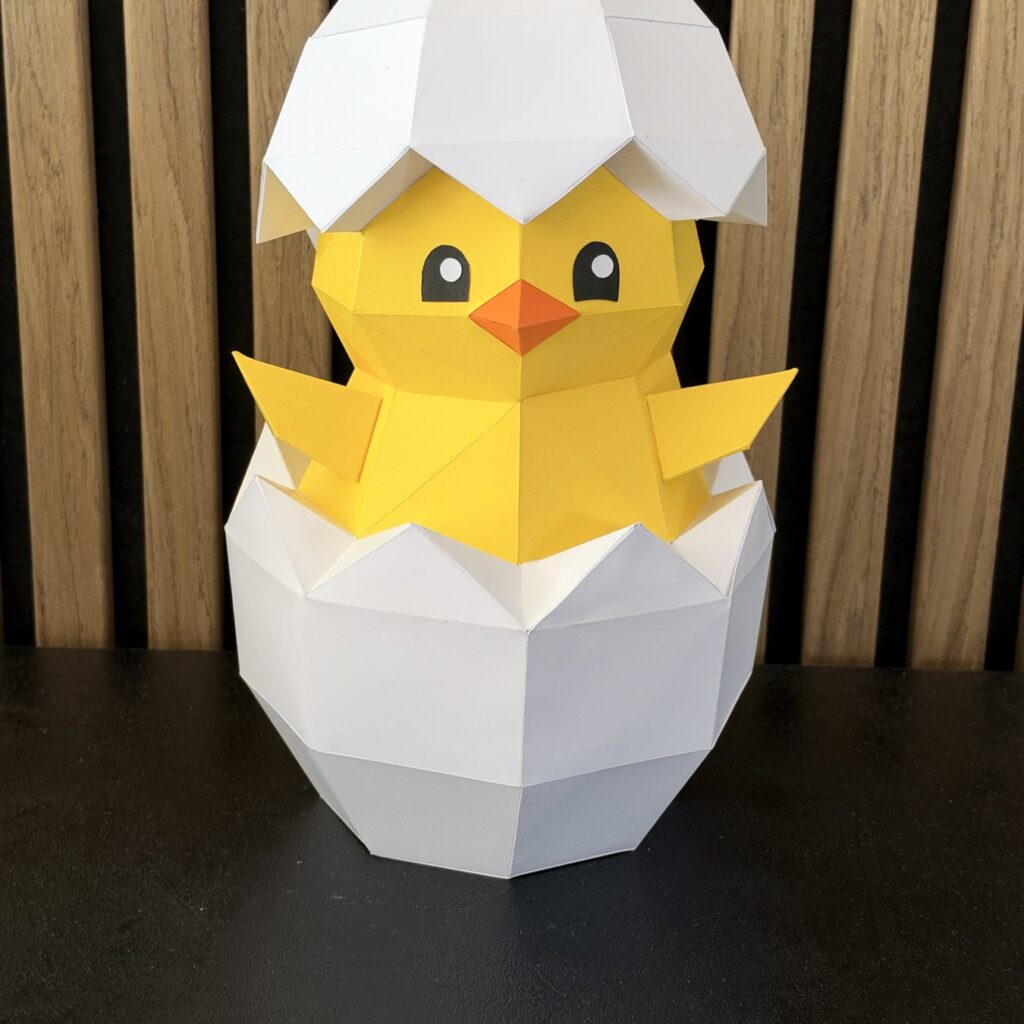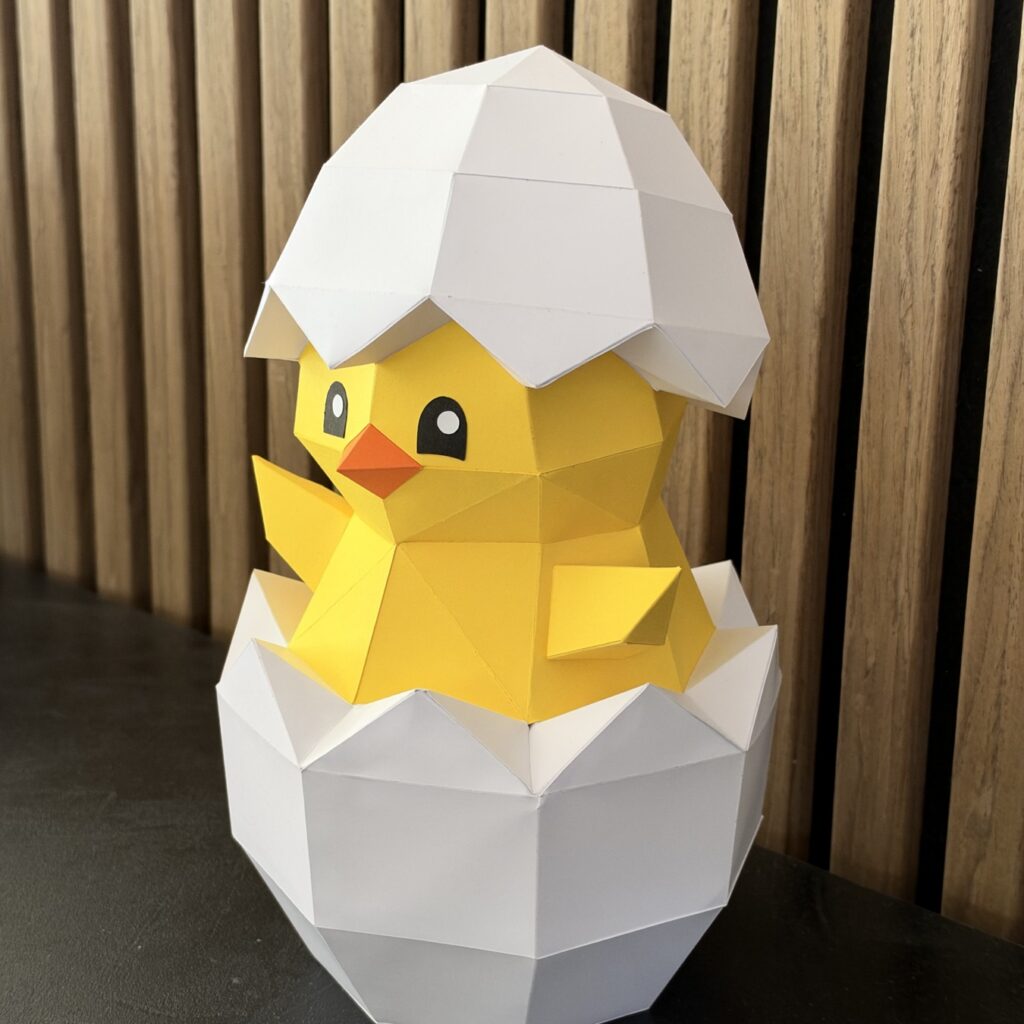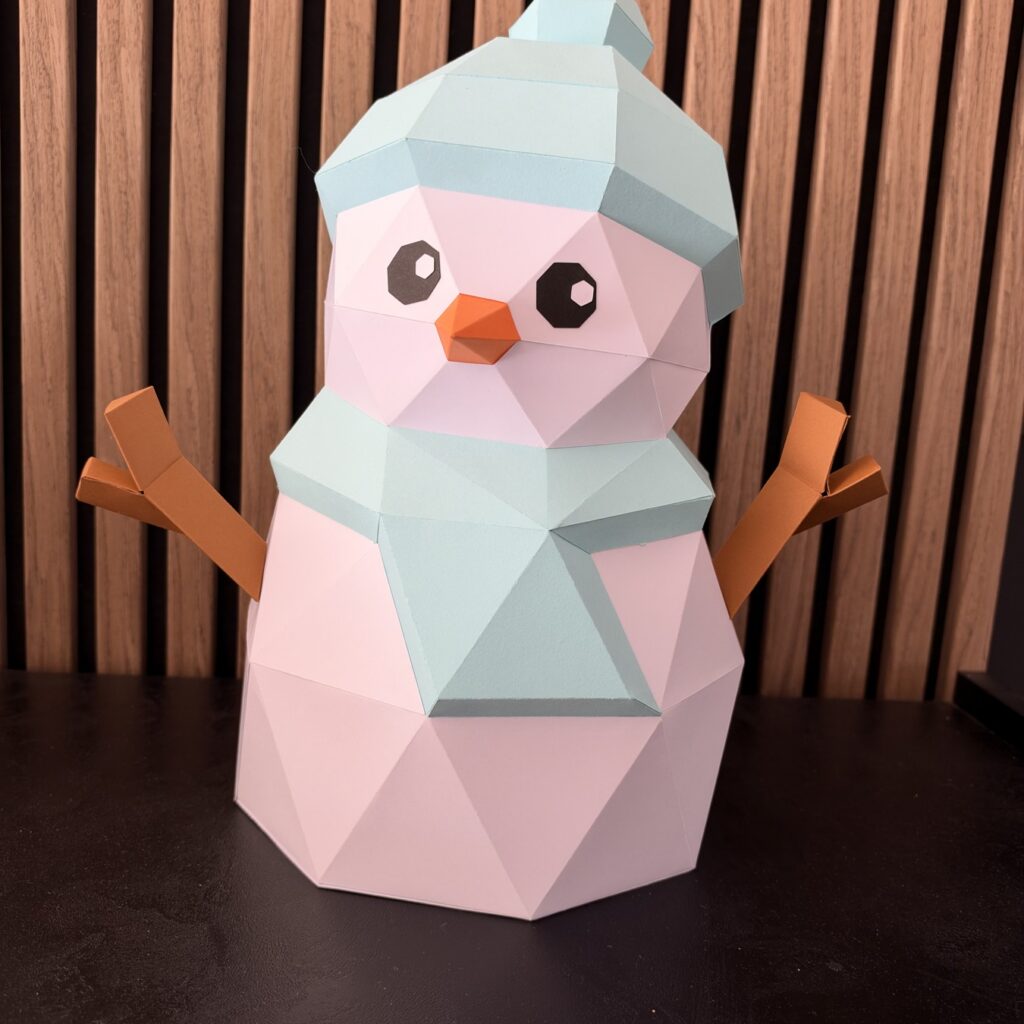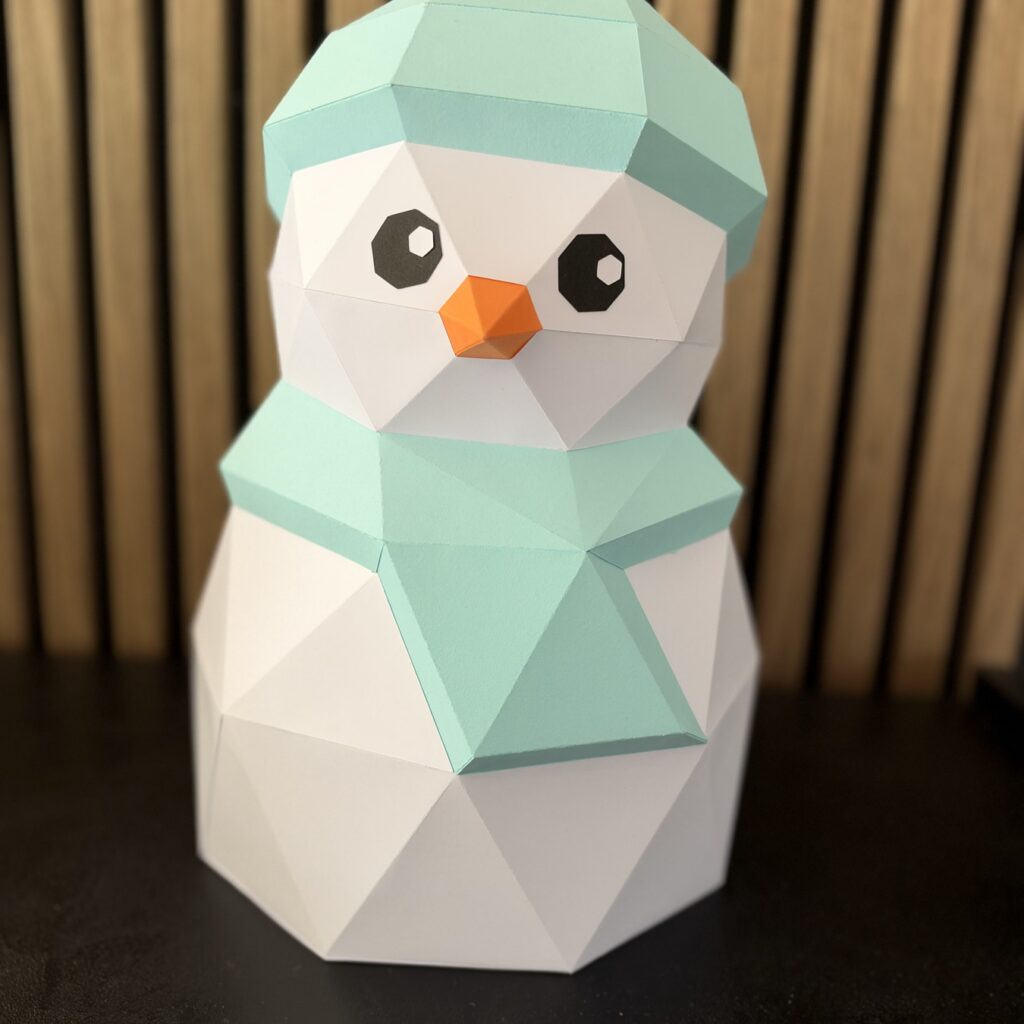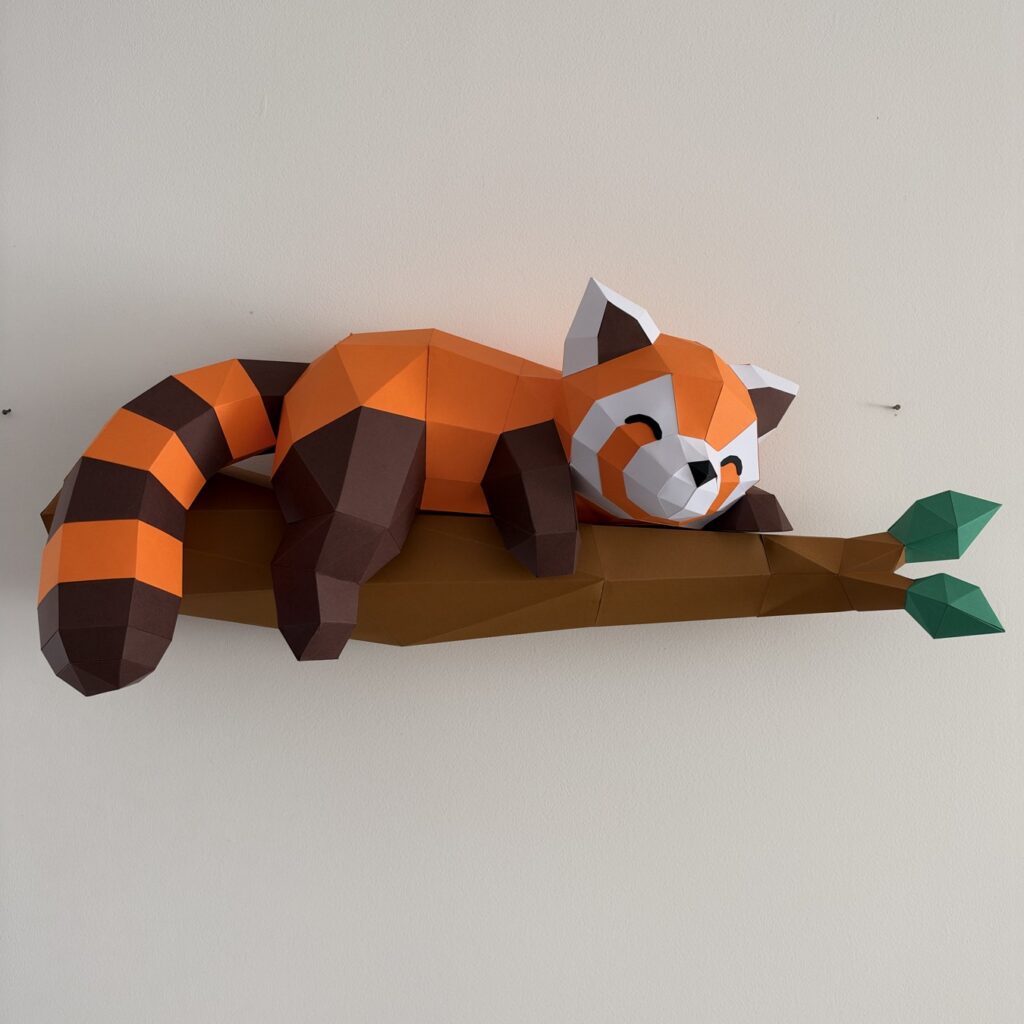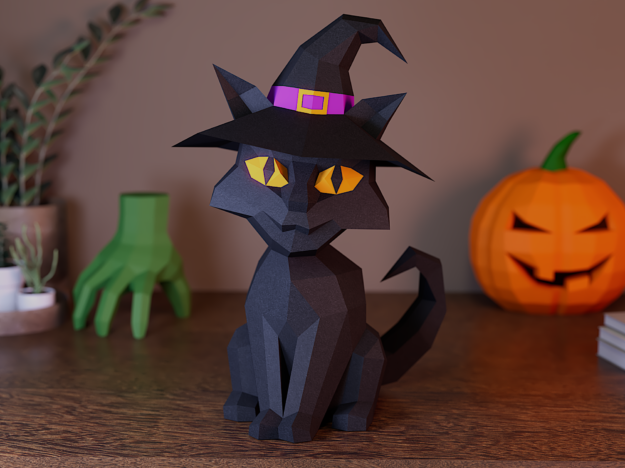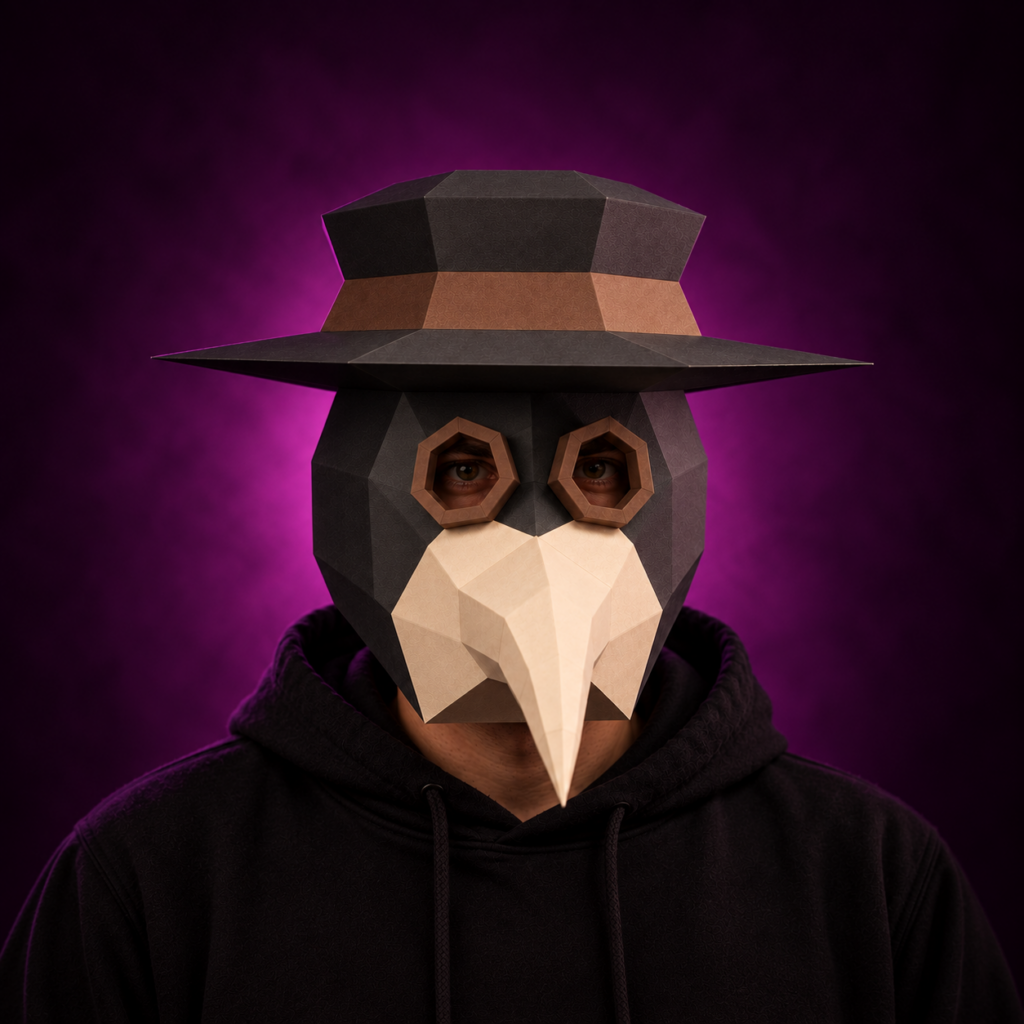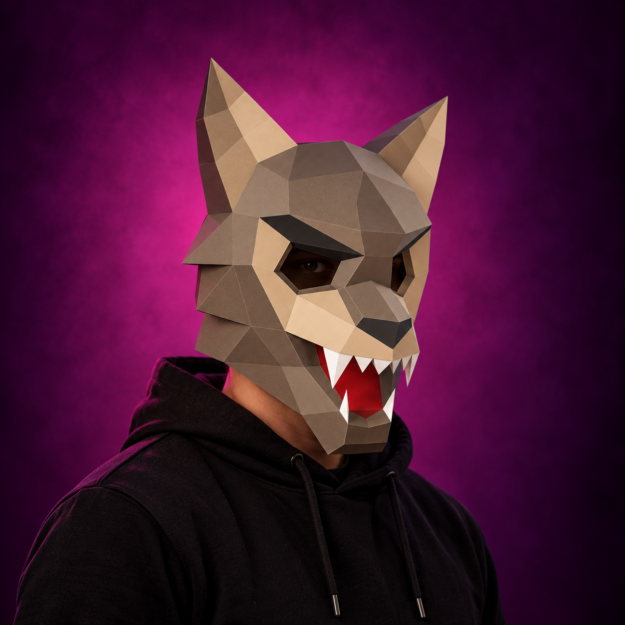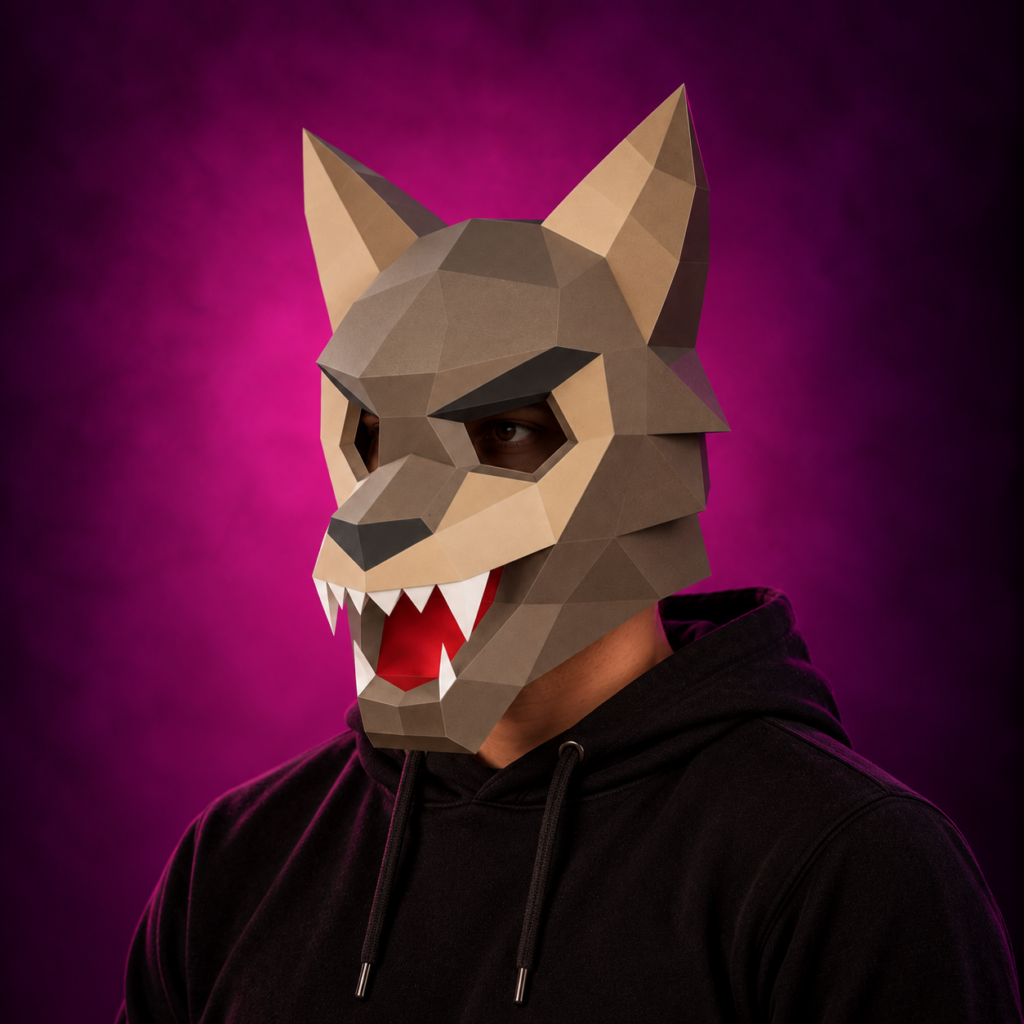
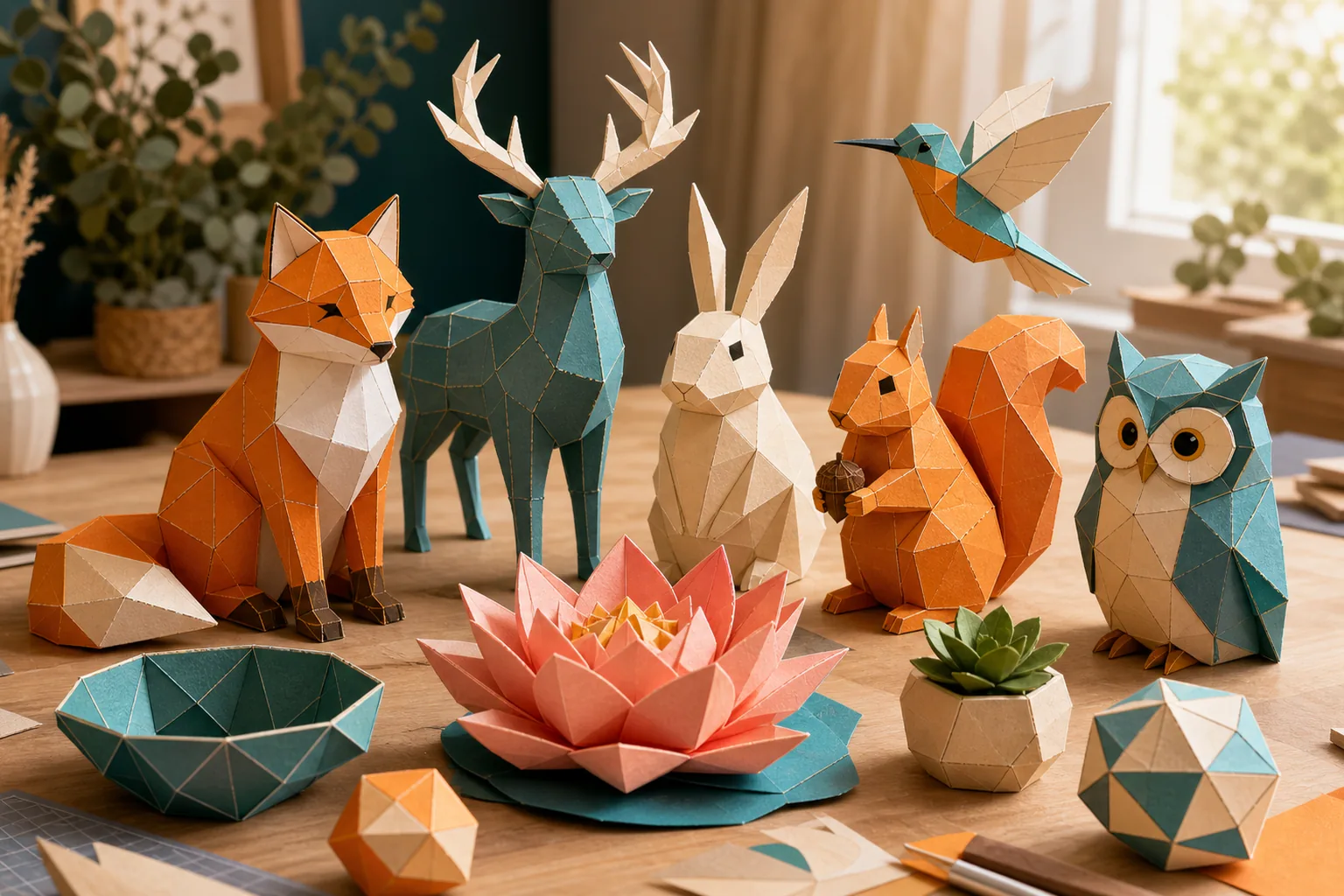
Looking for a creative hobby that genuinely helps you unwind, gives you a decor piece worthy of a design store, and doesn’t end up forgotten in a drawer? 3D origami ticks all three boxes. Between downloadable PDF templates, ready-to-build paper kits, and ultra-modern low poly creations, this craft is winning over both beginners and DIY lovers in 2026. Here, you’ll find the right model for your skill level, your schedule, and your decor style. You’re about to discover a handpicked selection of 3D origami models to assemble, learn how to avoid the most common mistakes, understand which paper and glue to use, and follow a simple 5-step method to complete your first project without stress. If you want to go from “I kind of like paper crafts” to “wow, I made that myself,” you’re in the right place.

Why 3D origami is booming in 2026
3D origami is no longer a niche hobby reserved for meticulous paper-folding fans. In 2026, it has become a real decor alternative to mass-produced objects. Why? Because it answers several modern cravings at once: making something with your hands, slowing down, personalising your space, and giving a gift that actually means something. While standard decor can be bought in a few clicks and forgotten just as quickly, a hand-assembled 3D origami model tells a story. You build it, choose the colours, decide where it goes, and enjoy that visual reward every time you walk past it.
The success of 3D origami also comes down to its look. Low poly volumes, crisp facets, and animal or poetic silhouettes fit perfectly into contemporary, Scandinavian, boho, or children’s interiors. A fox on a shelf, a giraffe on the wall, dolphins in a bathroom, or flamingos in a bright room: these are light, original decor pieces that feel far more personal than a standard framed print.
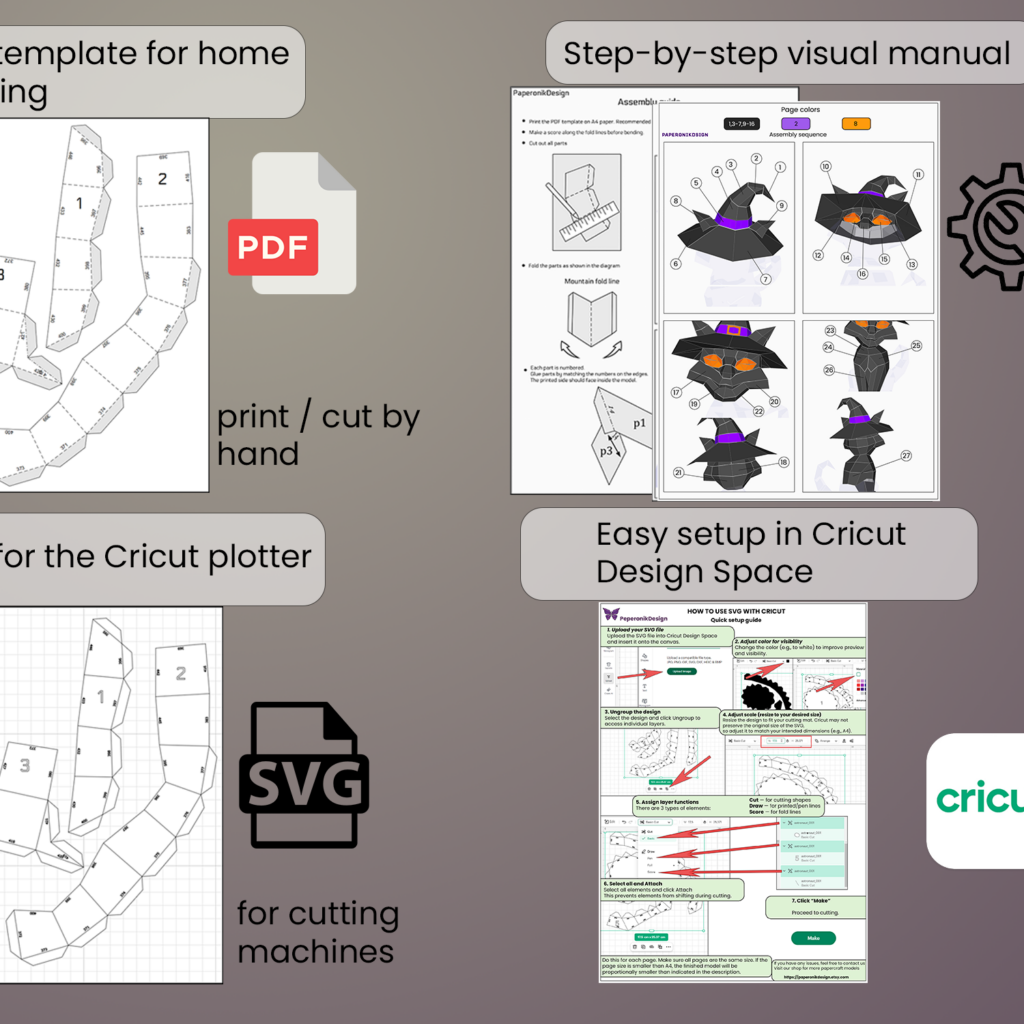
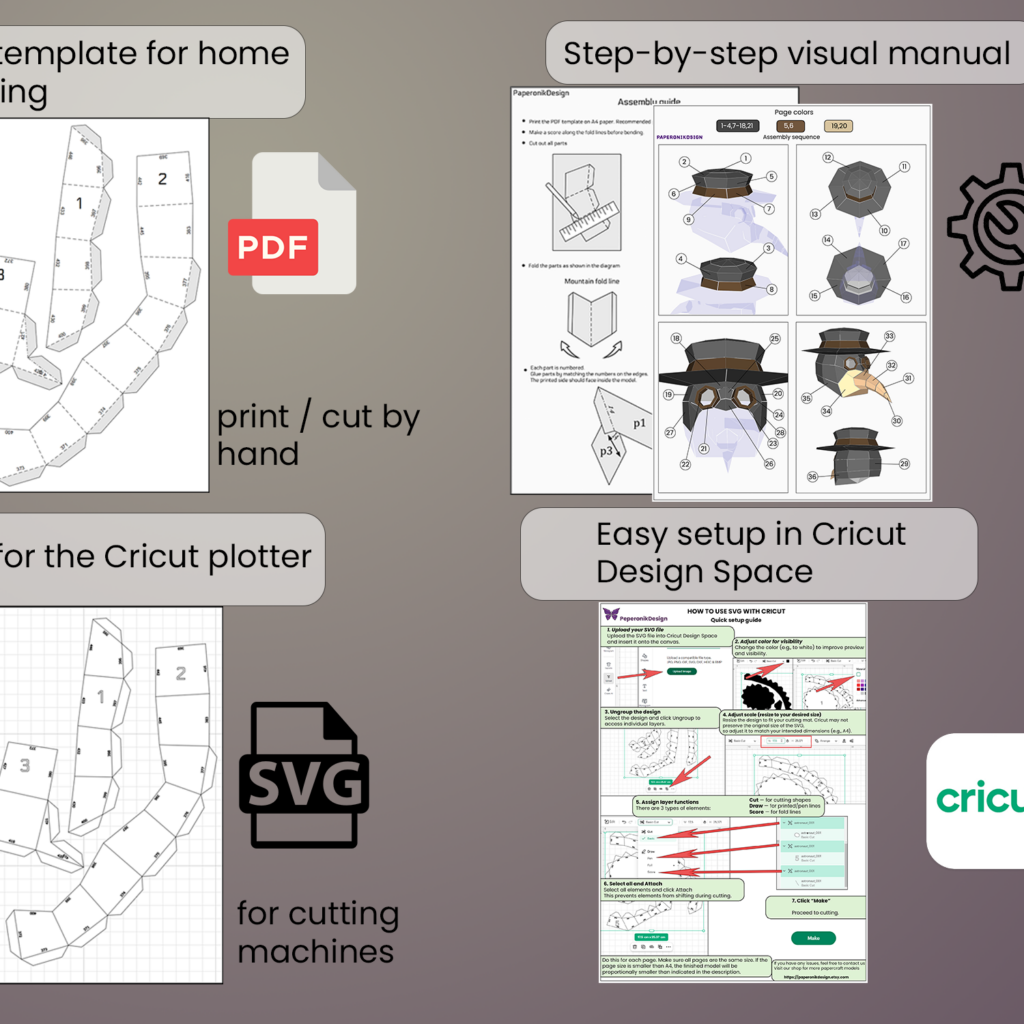
Another major advantage is accessibility. Despite what the word “origami” might suggest, the papercraft version of 3D origami is not only about complex folding. The logic is usually simple: print the template or use the pre-cut kit pieces, cut if needed, fold along the guides, then glue the numbered tabs together. The result: a motivated beginner can complete a beautiful model in just a few hours, while more experienced makers can go for larger, more ambitious builds.
Downloadable PDF templates are especially popular because they let you start fast, print on the paper of your choice, and often reprint a piece if you make a mistake. Complete kits, on the other hand, are reassuring for anyone who wants to save time and receive a project that’s ready to assemble. That flexibility is one of the key reasons the market keeps growing.
And then there’s the wellbeing factor. Many customers describe the assembly process as an immersive activity somewhere between a puzzle, light model-making, and active meditation. You focus on one precise action, move forward step by step, and watch the form appear in your hands. It’s deeply satisfying. If you want to explore the world of creative paper decor further, we also recommend our article on paper art, along with our practical guide how to choose paper for papercraft. You’ll quickly see why 3D origami has become a must-have in DIY decor.
The 11 best 3D origami models to assemble
For a bird-themed paper project, browse these 3D origami owl templates.
Origami dinosaur papercraft pack
Price: 30 € - Level: intermediate
If you want a striking project with an excellent time-to-result ratio, this dinosaur pack is a great pick. It lets you create several iconic silhouettes in a very modern low poly style, perfect for a child’s bedroom, a creative office, or a proudly geeky decor setup. It’s also a smart way to improve your skills: instead of jumping straight into one large intimidating piece, you can build several dinosaurs and sharpen your folding, alignment, and gluing along the way. The finished result instantly adds depth to a wall or shelf.
3D origami flamingo multi-kit
Price: 25 € - Level: beginner to intermediate
Flamingos are always a safe bet if you’re after decorative, bright, easy-to-style 3D origami. This kit is especially interesting if you want to create a composition rather than a single standalone object: several pieces displayed together instantly create a gallery-style or artistic installation effect. It works beautifully in a bright living room, a teenager’s bedroom, or event decor. The flamingo’s long, elegant lines highlight the facets of papercraft beautifully, without demanding the technical precision of an overly dense or tiny model.
Little Kitsune fox on the moon in 3D papercraft
Price: 22 € - Level: beginner
Want to start with a poetic model that isn’t too intimidating but still makes an impact? The Kitsune on the moon is a little gem. Its composition tells a story right away: it’s not just an animal, it’s a scene. That’s exactly what makes it such a great gift or decor project for a bedroom, bookshelf, or reading nook. The volumes stay easy to read, the shapes are soft, and the theme works just as well in a childlike setting as in a more dreamy interior. An excellent first 3D origami project if you want something elegant and full of feeling.
Little Kitsune fox on the sun in 3D papercraft
Price: 22 € - Level: beginner to intermediate
A warmer, sunnier take on the previous model, this fox brings a livelier energy to your decor. Its real strength is the versatility of the formats included: PDF, SVG, and DXF open the door to different ways of making it, especially if you use a cutting machine. For makers who love customising their creations, that’s a huge advantage. You can also display it as a duo with the moon version, playing with a day-and-night contrast on a shelf or wall. This is exactly the kind of model creative minds love when they want to tell a visual story.
Arabian horse 3D origami papercraft
Price: 22 € - Level: intermediate
The Arabian horse is a strong choice for anyone who loves dynamic lines and noble silhouettes. This kind of 3D origami model asks for a bit more attention to angles and the visual flow of the body, but the result is absolutely worth it. It has real decorative presence, especially on a sideboard, hallway console, or open bookshelf. It’s also a great project for improving your technique: you’ll work with stylised curves through faceted surfaces, which teaches you to anticipate the final shape much better from the folding stage onward.
Mother and baby giraffe 3D origami papercraft
Price: 22 € - Level: beginner to intermediate
This giraffe duo is one of the most touching models in the catalogue for one simple reason: it brings emotional depth to the object. In a child’s room, as a newborn gift, or in family decor, it creates a tender atmosphere without slipping into cliché. The giraffes’ tall proportions make the whole composition feel very graphic, while still keeping the scene instantly recognisable. If you want a 3D origami model that works both as decor and as a meaningful gift, this is a brilliant balance of accessibility, elegance, and emotional value.
Wild animals 3D origami papercraft
Price: 22 € - Level: intermediate
Can’t decide between species and want a varied base for decorating or gifting? This wild animals pack is perfect. It lets you explore different volumes, different assembly rhythms, and above all, different visual moods. It’s a smart choice if you want to learn without getting bored. Instead of repeating the same type of silhouette over and over, you discover how shapes behave depending on the animal you choose. That variety is incredibly useful when you want to improve. Decor-wise, you can create a beautiful paper “cabinet of curiosities” by displaying several pieces together.
3D papercraft dog heads
Price: 22 € - Level: intermediate
Papercraft wall heads remain one of the great DIY decor classics, and dogs work especially well because they connect with people instantly. This model is made for you if you want a bolder piece designed as a true wall feature. The “design gallery” effect is immediate, especially in a home office, living room, or hallway. It’s also a fantastic gift idea for any dog lover. During assembly, you’ll learn to pay close attention to the facial areas, the details that give the final model all its personality.
Lying husky in 3D papercraft
Price: 22 € - Level: intermediate
This lying husky is a refreshing change from frontal or wall-mounted poses. Here, the presence feels calmer, more narrative, almost contemplative. It’s a great model for a deep shelf, low cabinet, or cosy bedroom. Its relaxed posture makes it especially charming while still keeping the graphic impact of low poly. If you want an animal 3D origami piece that feels less like a totem and more alive, this one has a lot of appeal. It’s ideal for someone who has already built one or two creations and wants to improve the finesse of horizontal assembly.
Jumping dolphins 3D origami papercraft
Price: 20 € - Level: beginner to intermediate
Dolphins bring a very different kind of movement from land animals. This model suggests momentum, curve, and lightness, making it an excellent piece for a bathroom, child’s bedroom, or summer-themed decor. It’s also a clever option if you want to move away from more classic animal models. In terms of finish, the marine theme works especially well with white, blue, or iridescent paper. As a first project, it’s highly motivating because the dynamic effect appears quickly as soon as the first pieces come together.
3D origami hot air balloons and clouds sky scene
Price: 20 € - Level: beginner
If you want a 3D origami project that’s easy to live with, visually light, and perfect for a child’s room, this sky panorama is a brilliant place to start. Balloons, clouds, airy atmosphere: everything about it feels soft and uplifting. The big advantage is that the composition works more like wall scenography than a simple object sitting on a surface. You can adjust the spacing, play with symmetry, or create a sense of movement instead. It’s the kind of model we often recommend for a first family project because it’s accessible and incredibly rewarding once installed.
African animals 3D origami papercraft - 4-in-1 pack
Price: 22 € - Level: intermediate
For decor that feels cohesive and immersive, it’s hard to beat a themed pack. These African animals let you create a harmonious set, perfect for a child’s bedroom, playroom, creative studio, or display area. It’s also a very smart buy: with one pack, you get several projects you can spread out over time. You can build just one to begin with, then gradually expand your paper world. If you love complete visual settings rather than isolated pieces, this 4-in-1 format gives you plenty of freedom while keeping a strong visual identity.
Want even more ideas in the same style? Explore the dedicated collection here: 3D origami animals. You’ll find models to assemble based on your skill level, your decor taste, and the amount of time you want to invest in your project.
How to choose your 3D origami
Choose based on your real skill level
The first criterion is simple honesty with yourself. If you’re a beginner, don’t jump straight into a highly detailed model just because it looks impressive in photos. A good first 3D origami project should help you understand the logic of tabs, mountain and valley folds, and assembly order without wearing you out. Start with a clear composition, not too small, with pieces large enough to handle comfortably. One simple success is worth more than one ambitious unfinished project. After one or two models, you’ll be able to level up quickly.
Choose based on the time you actually have
A successful DIY project is also one that fits into your real life. Some models can be built in one relaxed evening, while others need several sessions of 45 to 90 minutes. If your free time is limited, go for a small subject or a pack you can split into several mini-projects. If you love long creative weekend sessions, then a more elaborate model becomes very satisfying. It’s usually better to slightly underestimate the time you have: working calmly makes a huge difference in the precision of your gluing.
Choose based on how you want to display it
Before buying, ask yourself where the piece will live. On a wall, a shelf, a desk, in a child’s room, hallway, or bathroom? That detail changes everything. A wall head works as a strong focal piece. A lying animal or a mother-and-child duo fits better on a horizontal surface. A cloud or dolphin composition can animate a wall or airy space beautifully. When you choose with the final placement in mind, your decor feels much more coherent and you avoid the “nice object, but where do I put it?” problem.
Choose between PDF, full kit, or cutting file formats
A PDF is ideal if you want to start quickly, print at home, adapt the paper colour, or reprint a failed piece. A full kit is perfect if you want a simpler experience without hunting for the right paper weight or preparing supplies. SVG and DXF formats are mainly for people with a cutting machine, or anyone who loves pushing customisation further. There’s no single best format for everyone: the right one is simply the one that matches the way you like to craft. If you’re unsure about supplies, also read which adhesive to choose for papercraft, because that’s often where the final clean finish is won or lost.
Choose based on paper and the finish you want
The recommended paper weight is usually between 160 gsm and 220 gsm depending on the model. Below that, the structure may feel too flimsy. Above that, folds can become harder to make, especially on smaller tabs. Colour matters just as much. Matte white gives a very contemporary gallery look. Pastel tones soften the overall result. Deep colours create a more statement-making object. For children’s rooms, soft contrasts usually work better than an overly busy colour mix. If you’re printing the template yourself, always test one sheet before committing to the full project.
Tutorial: assemble it in 5 steps
1. Set up a simple, clean workspace
Work on a well-lit table with enough space to spread out the sheets, the already folded pieces, and the pieces still waiting. Keep a ruler, a scoring tool if you have one, a pair of scissors or a precision craft knife, and glue suitable for paper nearby. Also have a dry cloth or paper towel ready to remove any excess glue. A clean workspace helps you avoid stains and reduces handling mistakes.
2. Identify, sort, and number before gluing
Never start blindly. Look over the template sheets, identify the numbers, symbols, and overall logic of the model. If there are many pieces, sort them by area or by sequence. This step saves you a huge amount of time. In 3D origami, a big part of the difficulty comes not from gluing itself, but from constantly searching for the right piece. Good organisation makes the whole process much smoother and more enjoyable.
3. Score and fold with precision
Before assembling anything, fold all the main lines neatly. The secret to beautiful papercraft isn’t just the glue: it’s clean, consistent folds. Use a ruler to guide the lines if needed. Score lightly first, then reinforce the fold. This method helps prevent the paper fibres from cracking, especially if you’re working with heavier cardstock. The cleaner your folds, the sharper and more elegant your model’s edges will look.
4. Glue in small sections
Apply a small amount of glue only to the tabs you need, then hold for a few seconds. There’s no need to rush. In 3D origami, precision pays off more than speed. Ideally, build coherent partial volumes rather than jumping randomly from one area to another. Check the overall alignment regularly. If you spot a slight shift, correct it immediately before the glue fully sets. This is often the stage where beginners start to gain confidence.
5. Close the volume and refine the final shape
As you approach the closing stage of the model, work calmly: this is when access to the inside becomes trickier. Prepare the last tabs in advance and double-check the assembly logic. Once the form is complete, let it dry for a few minutes before handling or installing it. If needed, lightly press certain edges again to sharpen the low poly definition. Your model will look cleaner and more polished.
Decor ideas / styling inspiration
A 3D origami model looks even better when it becomes part of a real decor concept. Here are 5 simple setups that work beautifully at home.
- Animal gallery wall: combine one or two bold pieces like dog heads with minimalist frames and a neutral colour palette for an instant design-led effect.
- Poetic child’s bedroom: place the Kitsune fox, clouds, or giraffes above a dresser with a warm night light and a few illustrated books.
- Creative office corner: set a horse, husky, or dinosaur on an open shelf to add depth without cluttering your workspace.
- Relaxing marine vibe: style the dolphins with glass objects, light wood, and a few blue-grey tones for a calm, soothing decor feel.
- Themed composition: assemble a full pack, such as the African animals, and spread the models around one room to create a coherent visual story.
Frequently asked questions
Is 3D origami suitable for beginners?
Yes, as long as you choose an accessible model. A beginner can successfully complete a beautiful project if the pieces are large enough, the assembly logic is clear, and the build time stays reasonable. It’s better to start with something simple and rewarding, then move up in difficulty.
What’s the difference between classic origami and 3D origami papercraft?
Classic origami mainly relies on folding a single sheet, often without glue or cutting. The papercraft version of 3D origami usually uses multiple pieces, numbered tabs, folding, and gluing to build a final volume that feels much more sculptural.
What paper should you use for sturdy 3D origami?
In most cases, paper between 160 gsm and 220 gsm works very well. Below that, the model may lack rigidity. Above that, some folds become more demanding. The right balance depends on the size of the pieces and the finish you want.
How long does it take to assemble a model?
Expect anywhere from 1.5 to 6 hours depending on the size, number of pieces, and your experience. A small poetic model or child-friendly decor piece can be completed in one evening. A pack or a larger animal design will often take several sessions.
Do you need a special glue?
Not necessarily “special,” but you do need a glue suitable for paper, with precise application, that won’t soak the tabs. A fine-tip liquid glue or good-quality paper glue works well. The key is using a small amount and applying it cleanly.
Can you give 3D origami as a gift?
Absolutely, and it’s a brilliant idea. You can gift the kit or PDF for someone to assemble, or gift the finished piece already built. Poetic, animal, or themed models are especially appreciated for a birth, birthday, or bedroom decor gift.
Are PDF models better than kits?
They’re not inherently “better” - they simply suit different needs. A PDF is ideal if you want to print at home, choose your own paper, and start quickly. A kit is better if you prefer receiving everything you need without any prep work.
How do you avoid the most common assembly mistakes?
The most effective way is to sort the pieces before you begin, score the folds carefully, glue in small sections, and check alignment at every stage. Don’t work in a rush: in papercraft, consistency matters more than speed.
Conclusion - where should you start?
If you’re new to it, choose a 3D origami model you genuinely love visually, but keep the size and complexity manageable. The Kitsune fox on the moon, the dolphins, or the hot air balloons and clouds sky scene are all excellent starting points. If you want a stronger decor statement right away, take a look at the dinosaurs, African animals, or dog heads. The key is to begin with a model that makes you want to finish it. Once your first project is done, you’ll understand very quickly why 3D origami becomes so addictive: you’re creating a real paper sculpture that’s light, graphic, and uniquely yours.
Ready to start? Choose your next 3D origami model on Papercraft-3D.com and begin creating decor that looks like nothing else today. Enjoy, free shipping from €69 to France and across Europe, including Switzerland.
Read next
- Paper art: DIY decor trends to know
- How to choose paper for papercraft
- Which adhesive to choose for papercraft
- Dinosaur papercraft: complete guide
You may also like: 3D paper fox templates, a giant Godzilla papercraft.