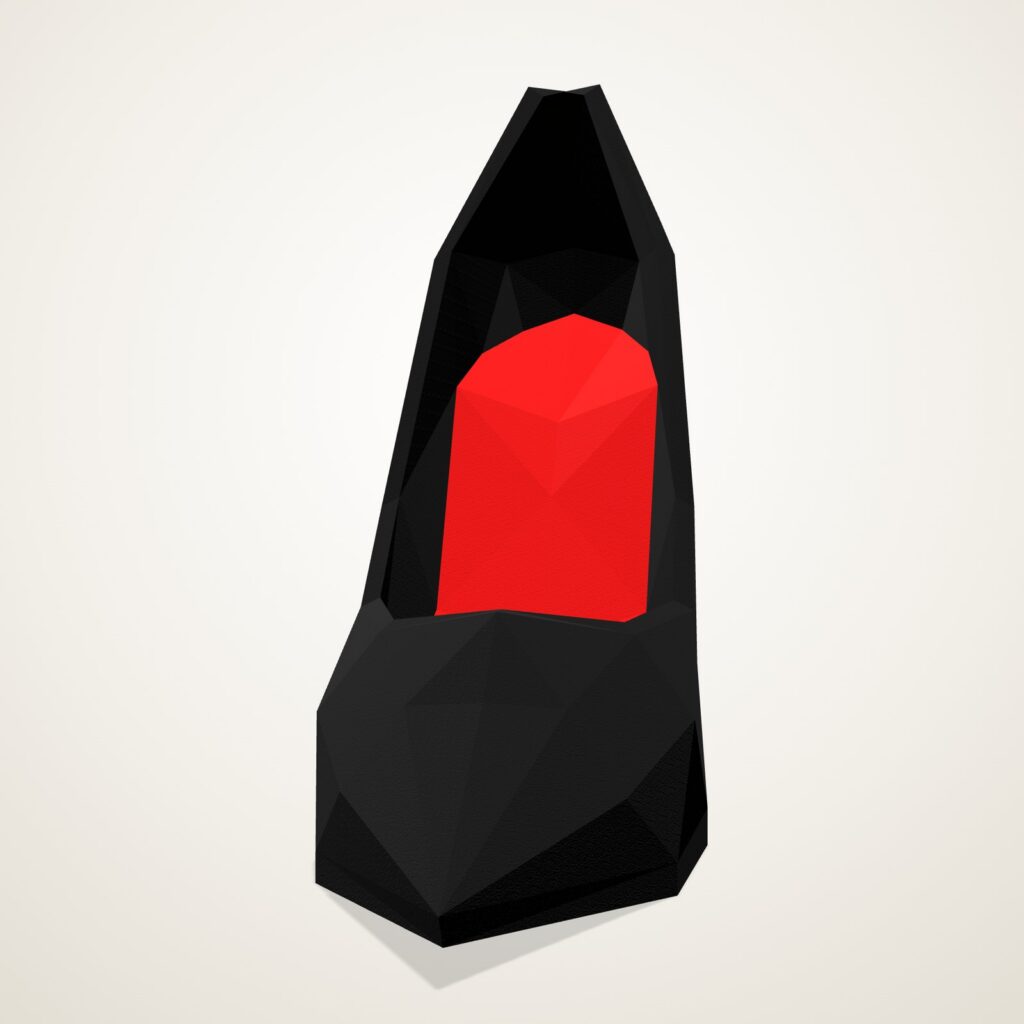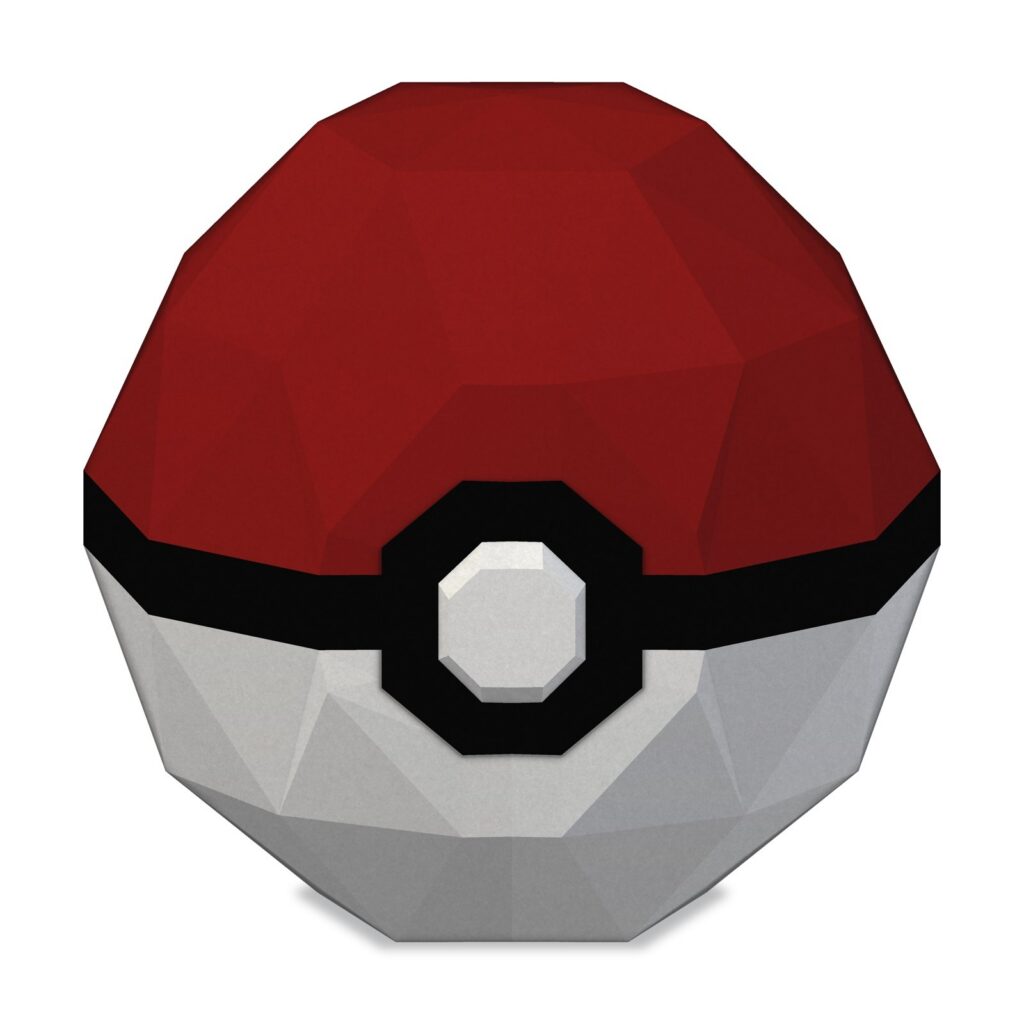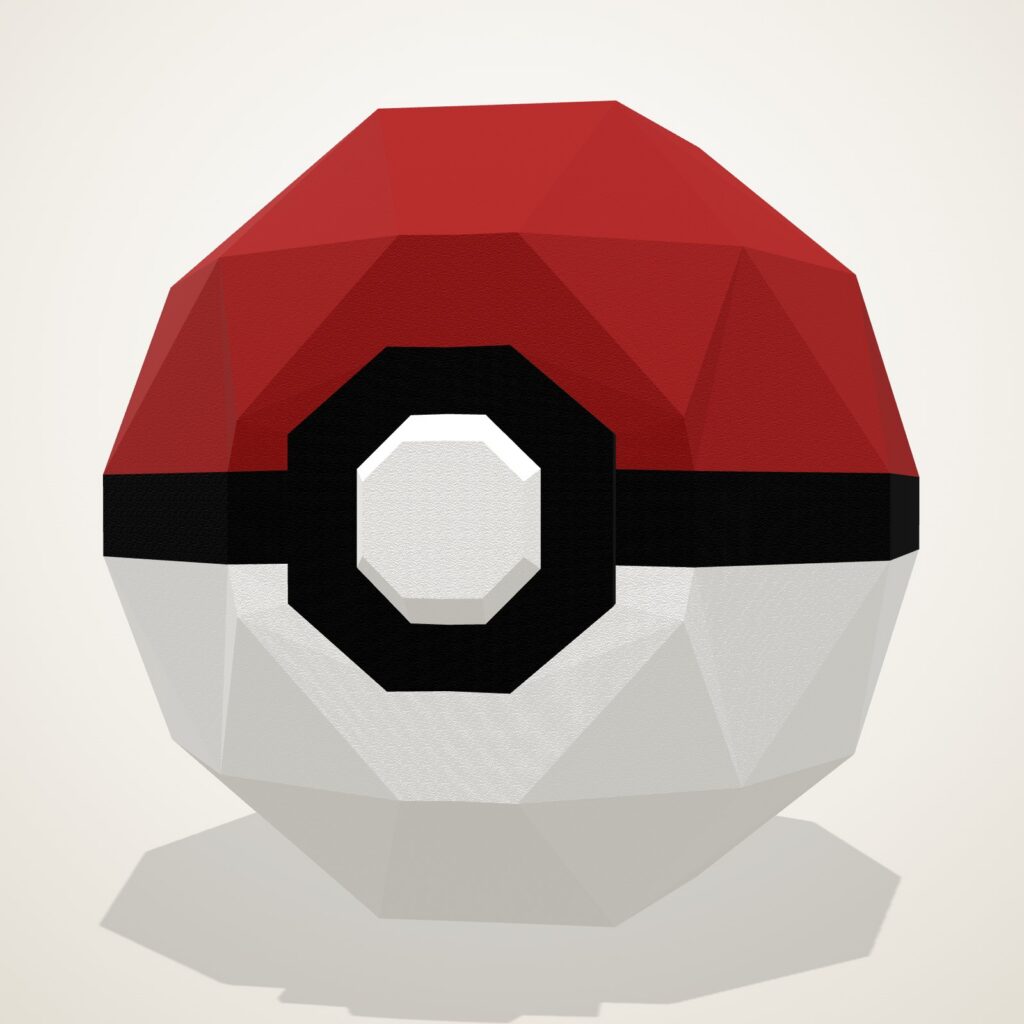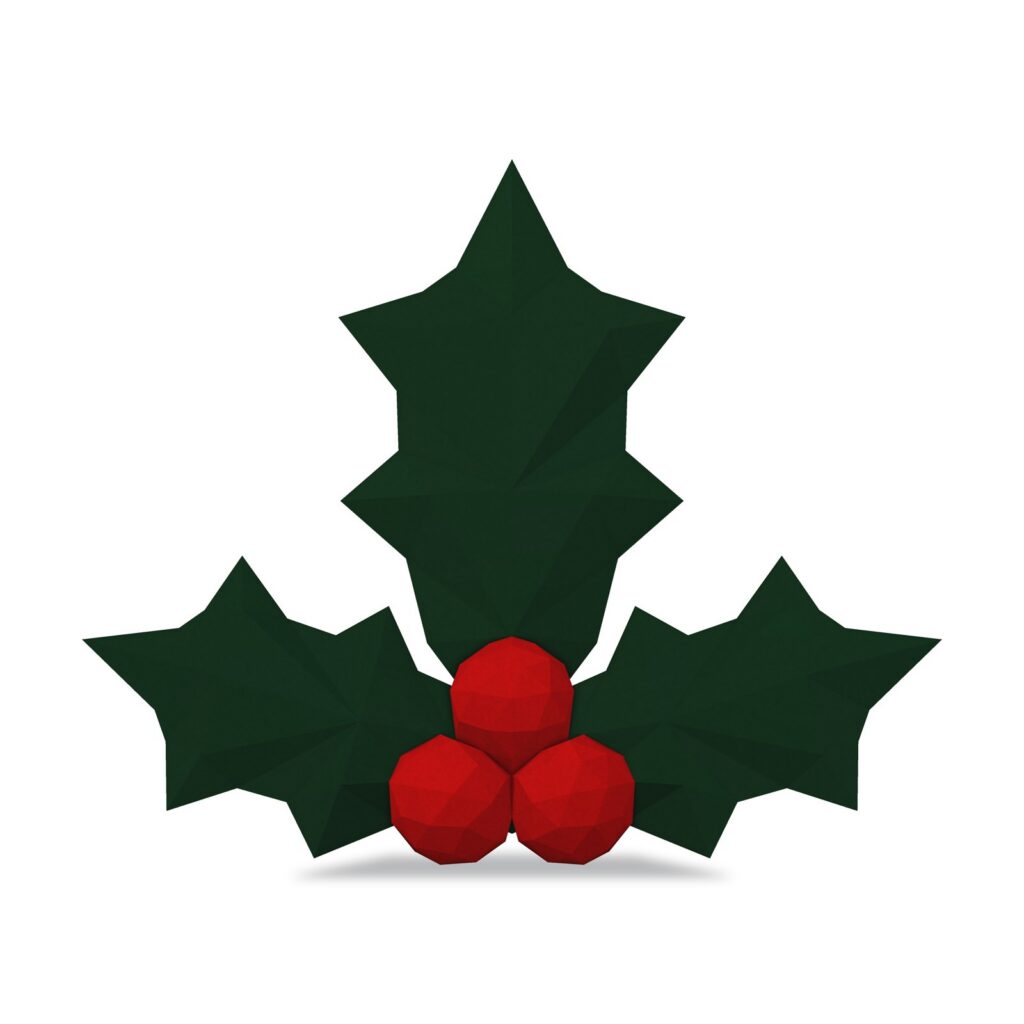
| Key point | Details |
|---|---|
| Overview | Paper art remains an exciting practice, for hobbyists and professionals alike. |
| Basic techniques | Learn origami, kirigami and collage to build dexterity and patience. |
| Advanced projects | Sculpture, light art and 3D papercraft to explore new possibilities. |
| Community and events | Take part in workshops, exhibitions and talks to share and to learn. |
Today, paper art remains an art form in its own right, offering endless possibilities to hobbyists and professionals alike.
This discipline, which covers a wide variety of techniques such as origami, kirigami, paper sculpture and many more, lets you explore your creativity with a modest and accessible material: paper.
In this article we explore a few of the paper art techniques that have caught the attention of beginners and experts in the field.
Paper art for beginners
Paper art for beginners rests on fundamental techniques that every budding artist should master.
By starting with simple projects, you not only get to know the paper, you also build your dexterity and your patience.
Here are a few of the essential techniques:
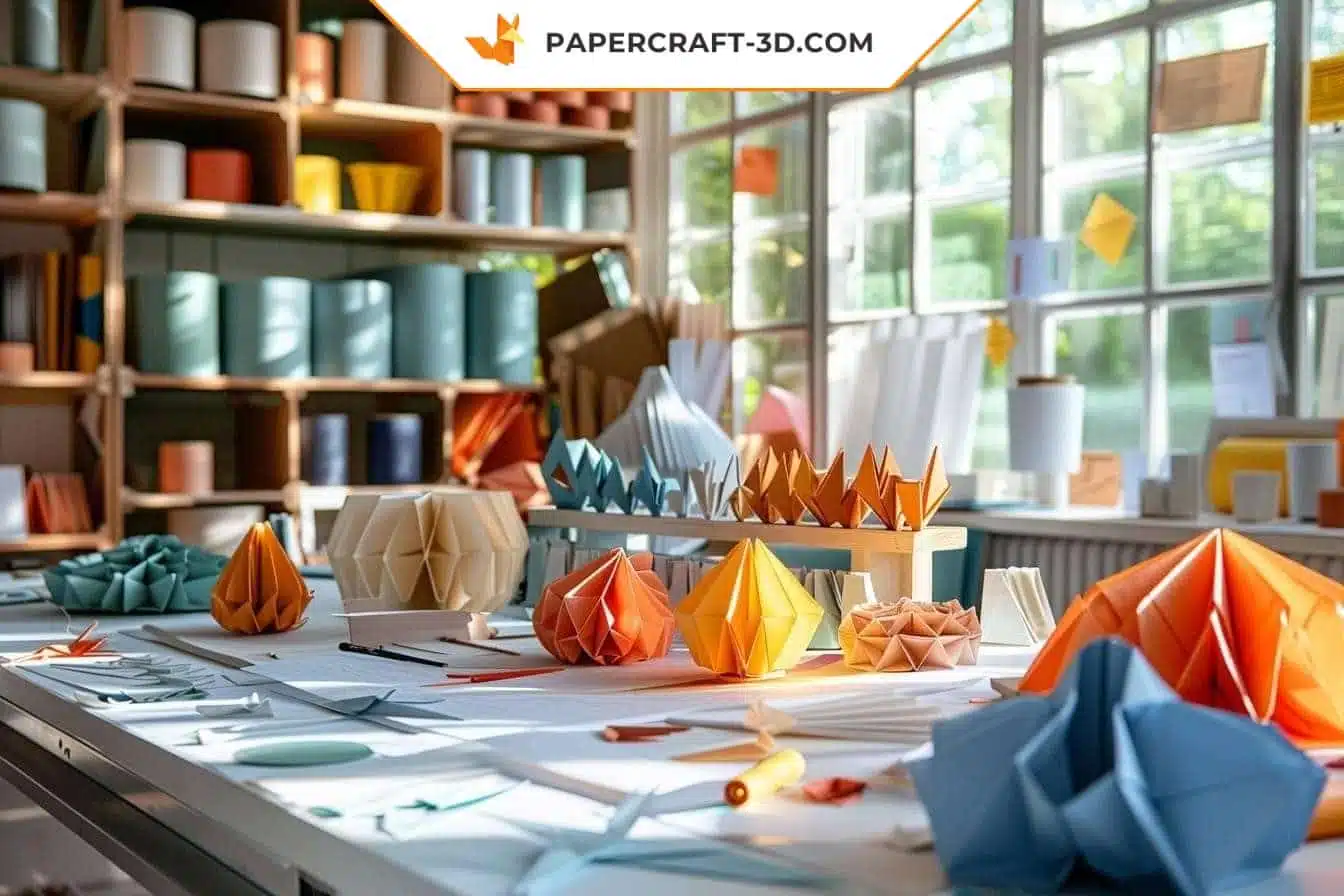
- Origami: the Japanese art of paper folding, which needs neither tools nor glue, is an excellent starting point.
It teaches the basics of patience and precision. - Kirigami: close to origami, but adding the art of cutting the paper after folding it, which allows more creative freedom.
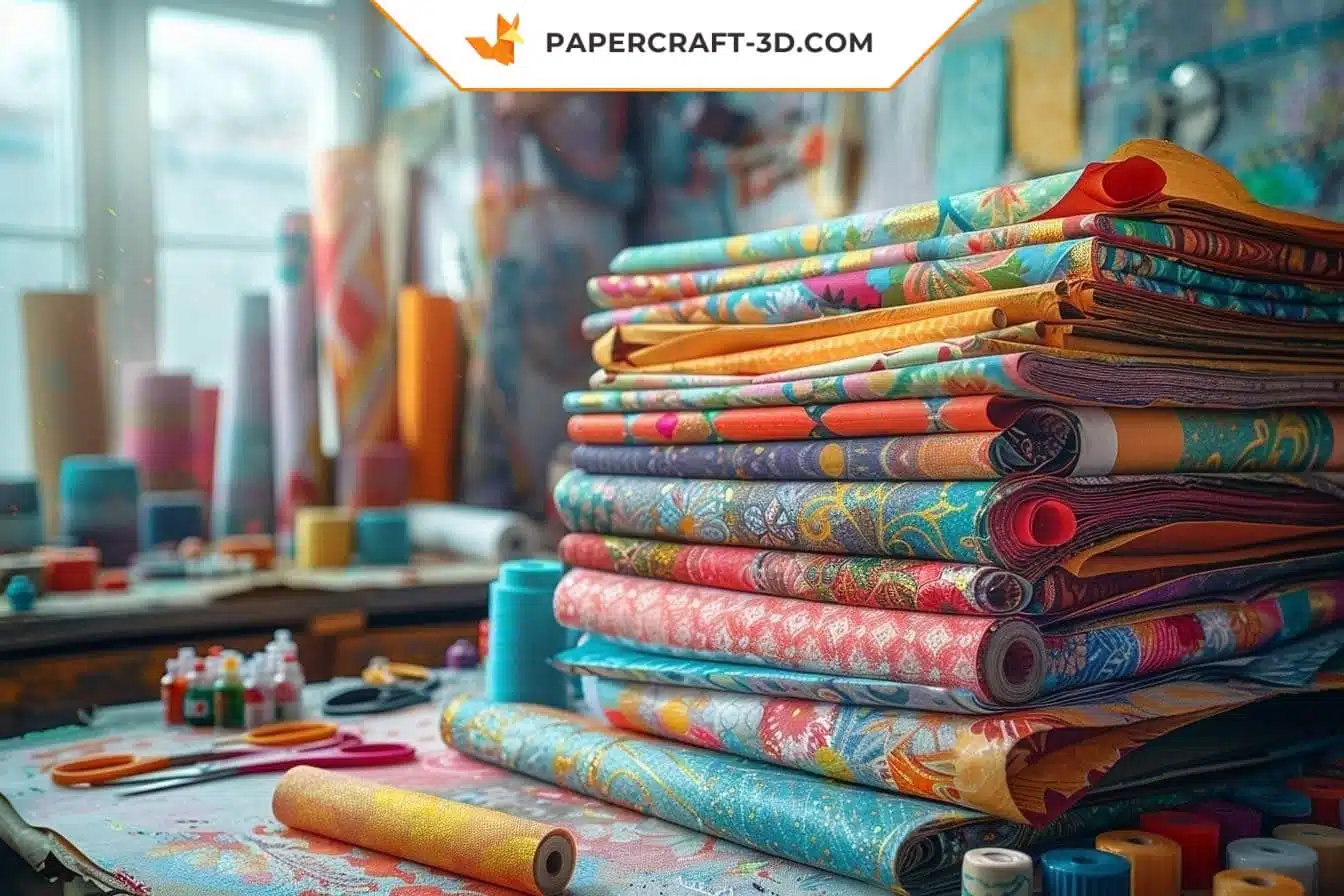
- Collage: this method consists of assembling different pieces of paper to create images or scenes, perfect for understanding composition and colour.
For anyone who wants to deepen their knowledge and choose the right materials, reading the complete guide to the best types of paper for papercraft is essential.
Pushing the limits of creativity with advanced projects
Advanced artists in the field of paper art constantly look to push back the limits of what paper can become.
From complex sculptures to art installations, the possibilities are endless.
Advanced projects can include:
- Paper sculpture: creating three dimensional objects, which calls for an advanced understanding of volumes and textures.
- Light art: building light sources into paper structures to play with light and shadow.
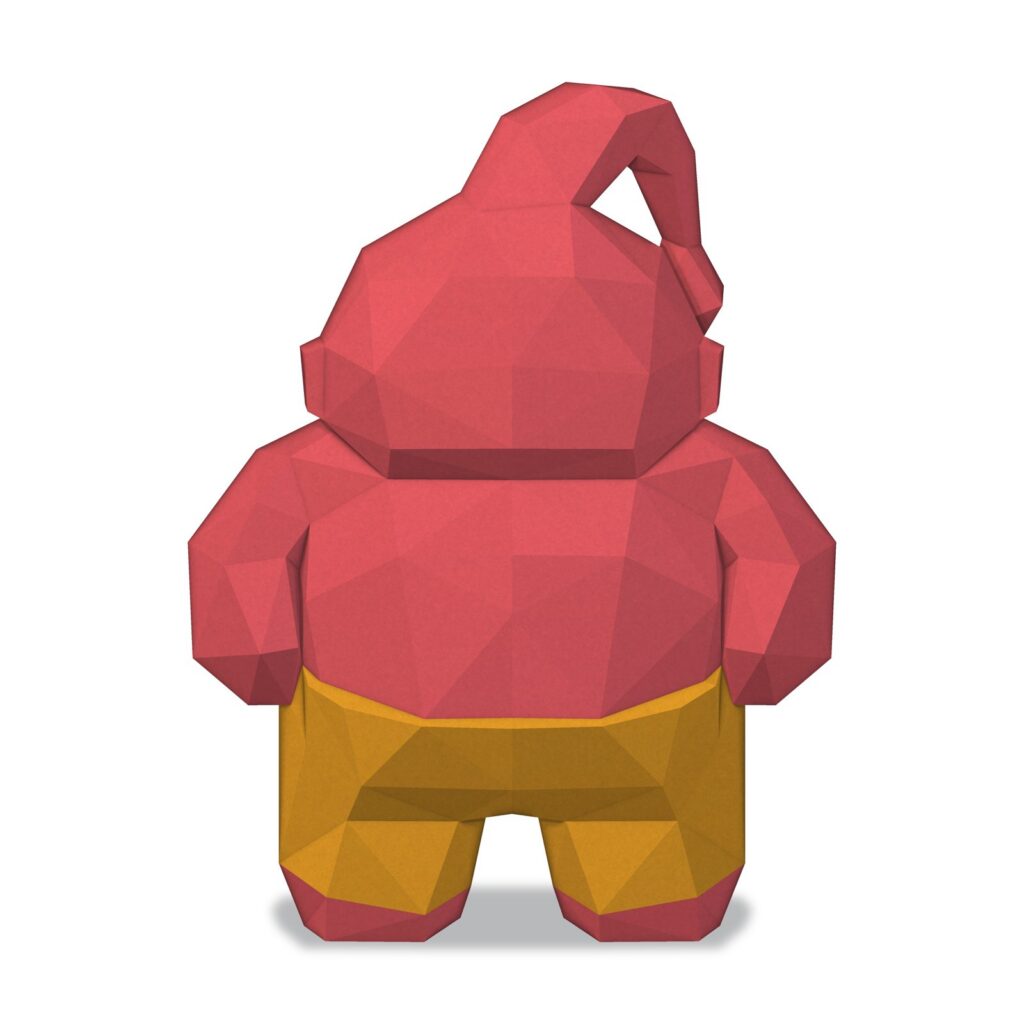
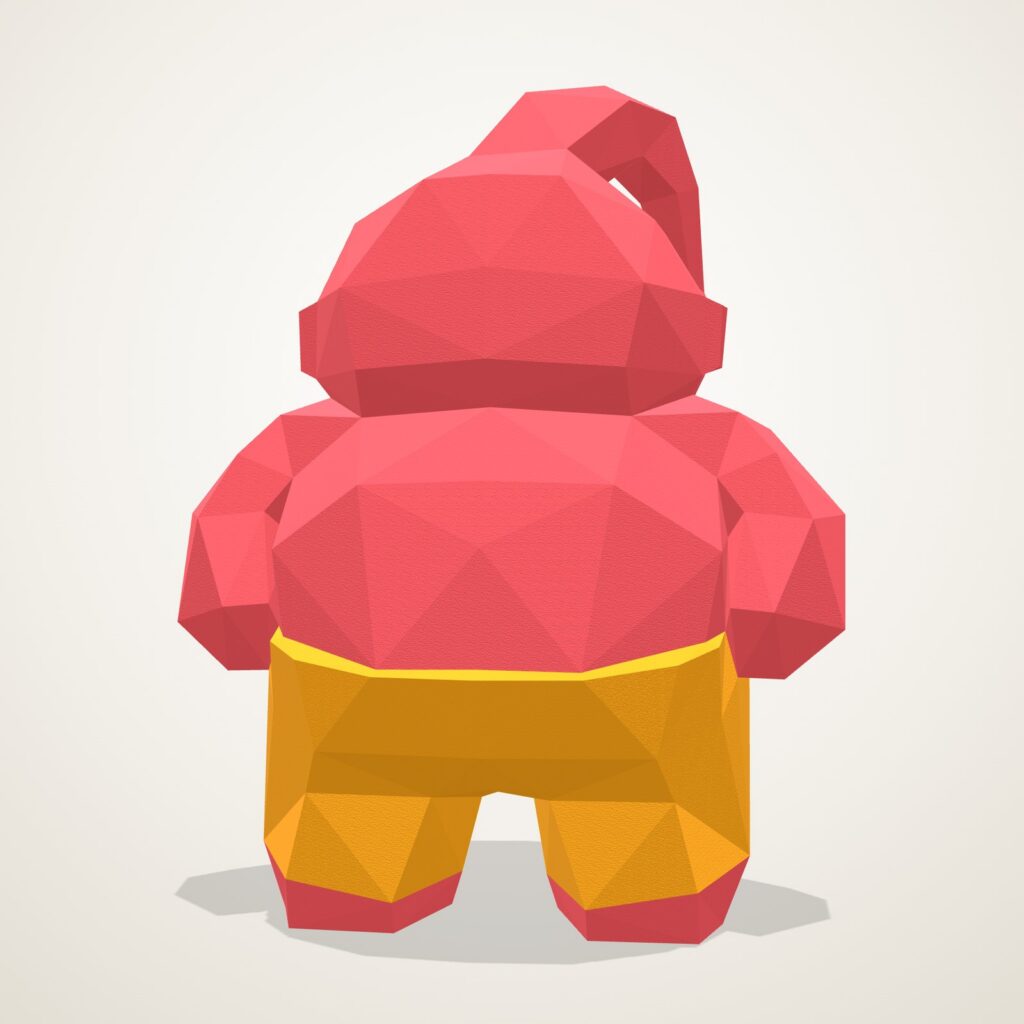
- 3D papercraft: three dimensional modelling of complex objects, often with precise templates to obtain striking results.
The importance of choosing the right type of paper should not be underestimated in these complex projects.
A good starting point is the ultimate guide to using 3D papercraft in your DIY and scrapbooking projects.
Knowledge hubs and events devoted to paper art
The world of paper art is not limited to individual creations: all over the world, artist communities and specialised events are emerging, offering opportunities to share, to learn and to exhibit.
They include:
- Workshops and courses, often led by experienced artists, offering hands-on immersion in specific techniques.
- Exhibitions and galleries showing the work of established and emerging artists, as a source of inspiration and recognition for creators.
- Conferences and symposiums, with inspiring talks and discussions on the latest innovations in paper art.
Taking part in these events is not only an excellent way to keep up with current trends, but also to meet other paper art enthusiasts and exchange ideas.
Paper art techniques by skill level
To sum up, here is a table of the different paper art techniques recommended by skill level:
| Technique | Skill level | Materials needed |
|---|---|---|
| Origami | Beginner | Origami paper |
| Kirigami | Intermediate | Paper, scissors |
| Collage | Beginner | Several types of paper, glue |
| Paper sculpture | Advanced | Paper in different weights |
| Light art | Expert | Paper, light sources |
| 3D papercraft | Expert | Card stock, cutting tools |
All in all, paper art remains a highly rewarding and accessible form of artistic expression, whatever your level.
By learning and mastering different techniques, from simple origami to complex paper sculptures, every artist can explore their own creative path and push back the limits of imagination.