Looking for an easy-to-start creative hobby that makes you want to dive in without spending hours on it or blowing your budget? In 2026, the DIY market is huge, but not every activity is truly beginner-friendly.
The same issue comes up again and again: too much equipment, a steep learning curve, or results that take too long to appear. The result? Motivation fades fast. But accessible doesn’t have to mean basic or lacking in creativity.
Here, the comparison focuses on what really matters when starting creative hobbies with confidence: simplicity, upfront cost, time required, and quick satisfaction. Enough to help you choose an activity that fits your lifestyle, without the frustration.
What makes a creative hobby accessible in 2026
Accessible doesn’t mean simplistic. In 2026, an easy creative hobby stands out by how quickly it gets you started, without unnecessary friction. The first key factor is the startup cost: minimal equipment, affordable supplies, and the option to try it without a major commitment.
Next comes simplicity of materials. The fewer tools you need, the easier it is to actually get started. A hobby that fits in a box or a drawer instantly scores points. The same goes for the learning curve: intuitive gestures, guided methods, and mistakes that are easy to fix.
Time matters too. A beginner creative activity should work for short sessions, even spontaneous ones. And finally, quick satisfaction changes everything. Seeing a result, even an imperfect one, from the very first session helps lock in motivation. Accessible DIY checks all these boxes when it puts enjoyment before performance.
Comparison of the easiest creative hobbies to start with
To avoid the usual false good ideas, here’s a comparison of creative hobbies that are genuinely accessible in 2026. No vague promises here: just real activities, with their strengths and practical limits.
| Creative hobby | Difficulty level | Materials needed | Quick satisfaction | Main limitations |
|---|---|---|---|---|
| Paint by numbers | Very easy | Complete kit | Very high | Guided creativity |
| Air-dry clay | Easy | Clay + simple tools | High | Drying time, finishing |
| Creative journaling | Very easy | Notebook + pens | Variable | Less of a “finished object” result |
| Modern embroidery | Accessible | Hoop, thread, needle | Moderate | Time to complete |
Paint by numbers
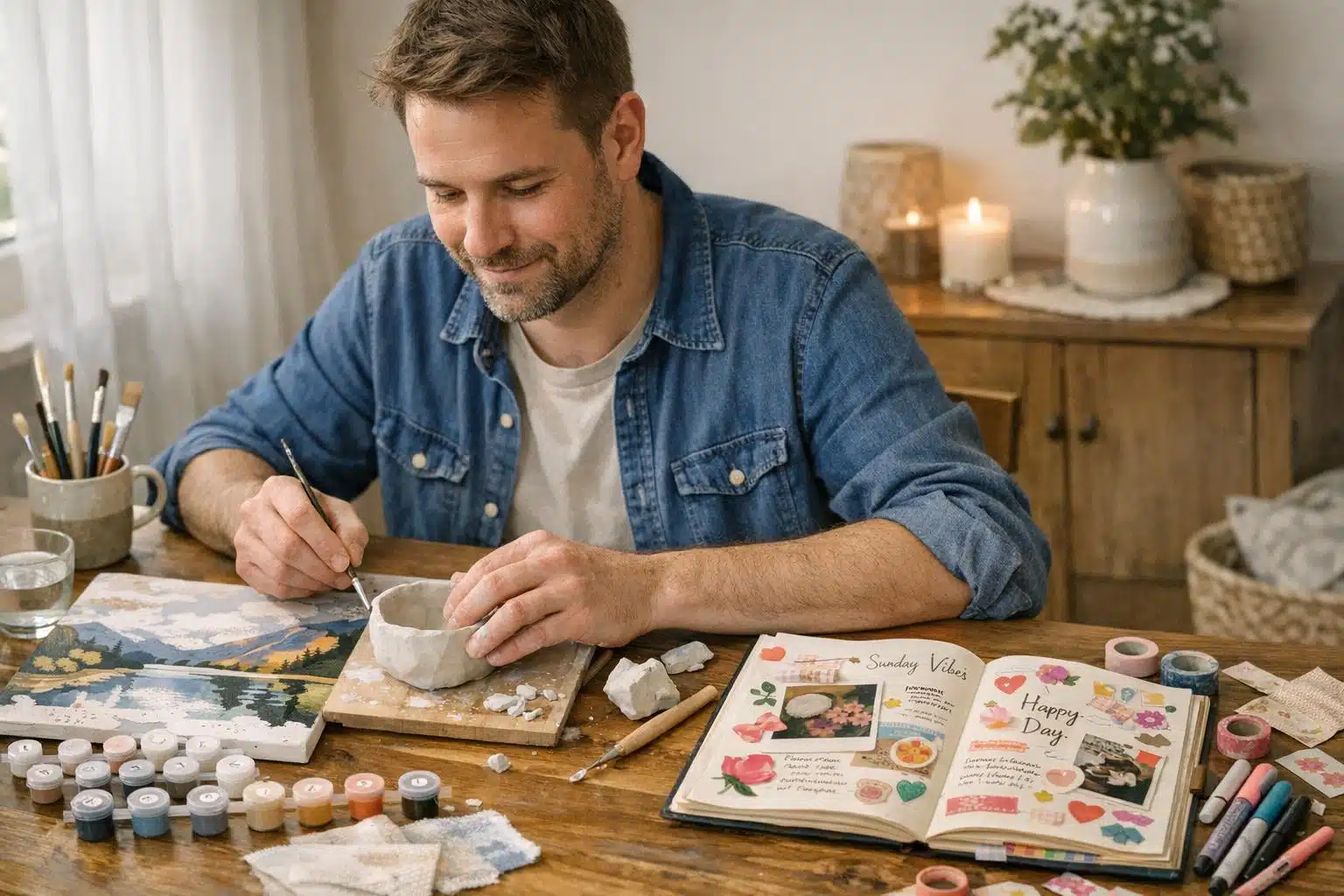
It doesn’t get much more reassuring than this. Paint by numbers guides every move: one area, one colour, one brush. Your mind relaxes, your hand follows. The result? A finished canvas, even with zero experience. It’s the ultimate guided creative activity.
The downside is obvious: artistic freedom stays fairly structured. But if you want to start without the fear of getting it wrong, it’s hard to beat. In fact, paint by numbers is one of the easiest ways to get started, letting you try different styles without overthinking the supplies.
Air-dry clay creations
Air-dry clay stands out for its tactile, hands-on appeal. You knead it, shape it, tweak it. No kiln, no complicated chemistry. Beginner modelling becomes an accessible playground, almost meditative.
That said, there are a few things to keep in mind: drying time means you’ll need breaks, and finishing touches require a little patience. Nothing overwhelming, but it’s worth knowing upfront to avoid frustration.
The essential supplies to get started without overcomplicating things
The classic mistake? Buying too much, too fast. In reality, arts and crafts supplies can stay minimal. A smart starting point is to choose creative kits: everything included, nothing unnecessary.
For guided painting, one kit is enough. For clay, a few basic tools can replace pricey accessories. The same logic applies to journaling or modern embroidery: a notebook, a few pens, one hoop, and some thread.
If you want to explore without piling up purchases, complete kits to try several techniques without buying extras offer a flexible, reassuring way to begin. Starting light often means sticking with it longer.
Which creative hobby should you choose based on your personal goal?
Looking mainly for relaxation? Guided painting or creative journaling works perfectly for short, low-pressure moments. The goal isn’t the final masterpiece, but the mindset it creates.
Want to make something tangible? Air-dry clay is a great fit. If you want to share the experience, especially with family, modern embroidery and certain DIY projects can become calm, enjoyable activities that bring people together.
Ask yourself one simple question: what do you want from this creative time? A quick result, personal exploration, or a soothing ritual? The right choice usually starts there, not with whatever happens to be trending.
Which creative hobby takes the least time each week?
Do you need artistic talent to start a creative hobby?
Are accessible creative hobbies automatically less creative?
Choosing a creative hobby without pressure
An accessible creative hobby starts with simplicity: minimal supplies, easy-to-learn gestures, and visible results fast. That reassuring structure makes consistency and enjoyment easier, especially when you’re just starting out or short on time.
Comparing your options helps you avoid unnecessary purchases and unrealistic expectations. Guided painting, air-dry clay, and creative journaling don’t offer the same freedom or pace, but each can become a lasting form of self-expression if it matches your goals.
Start small, test things out, adjust as you go. Creativity grows when you move at your own pace, without chasing performance. The right hobby is the one that makes you want to do it again tomorrow.
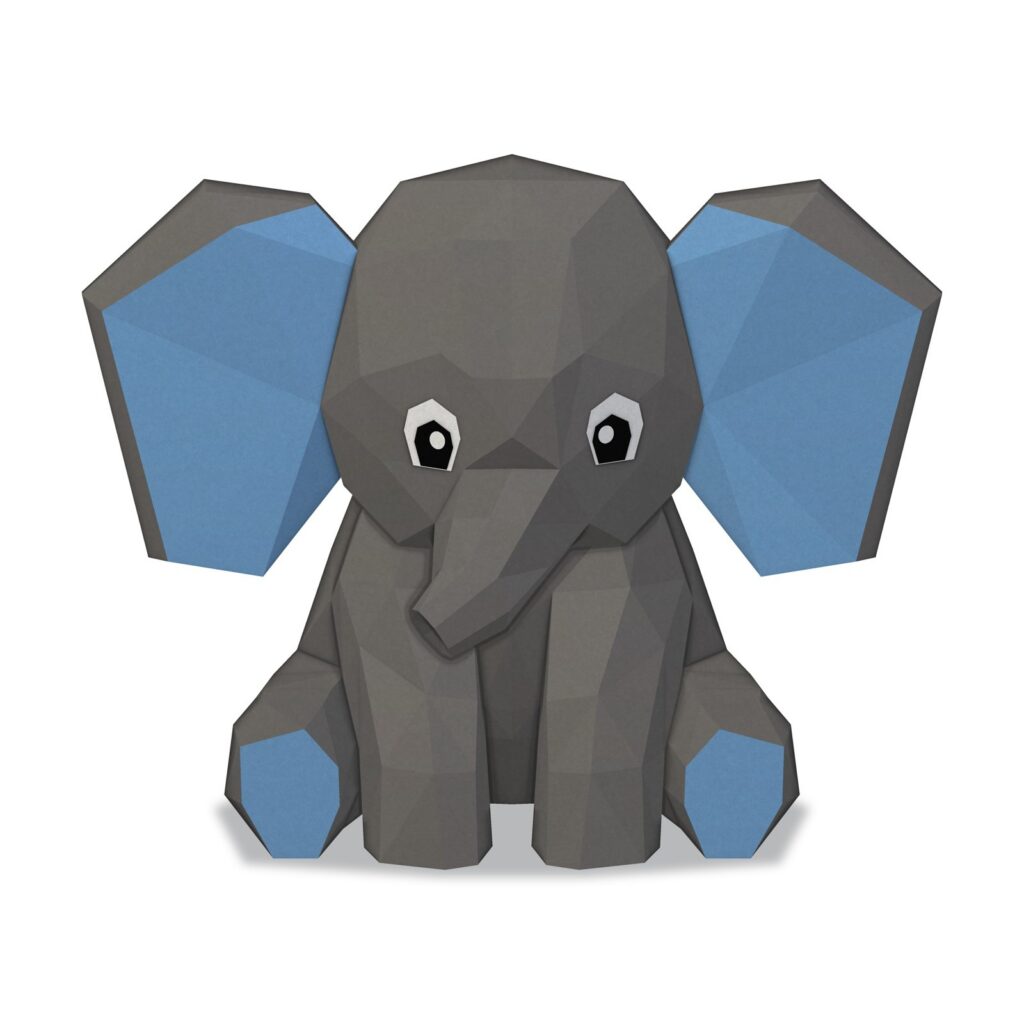
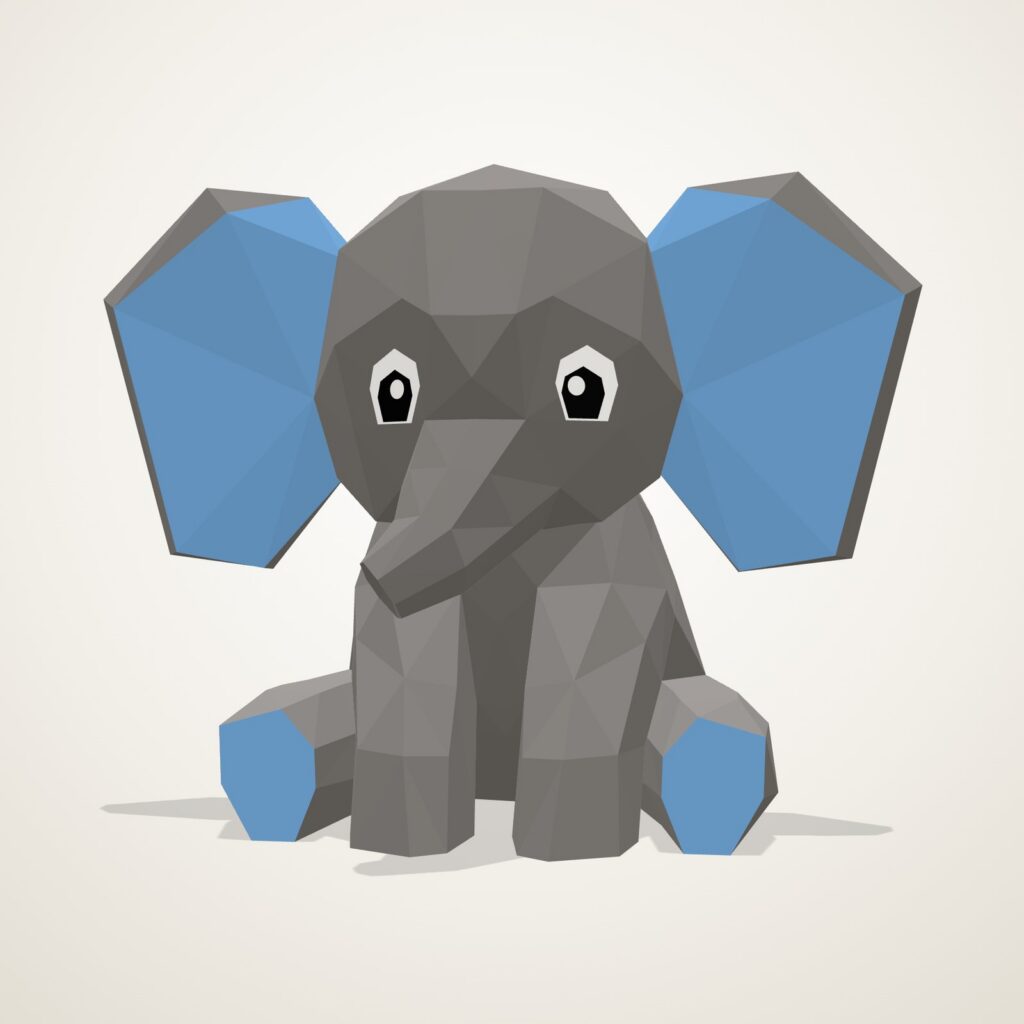
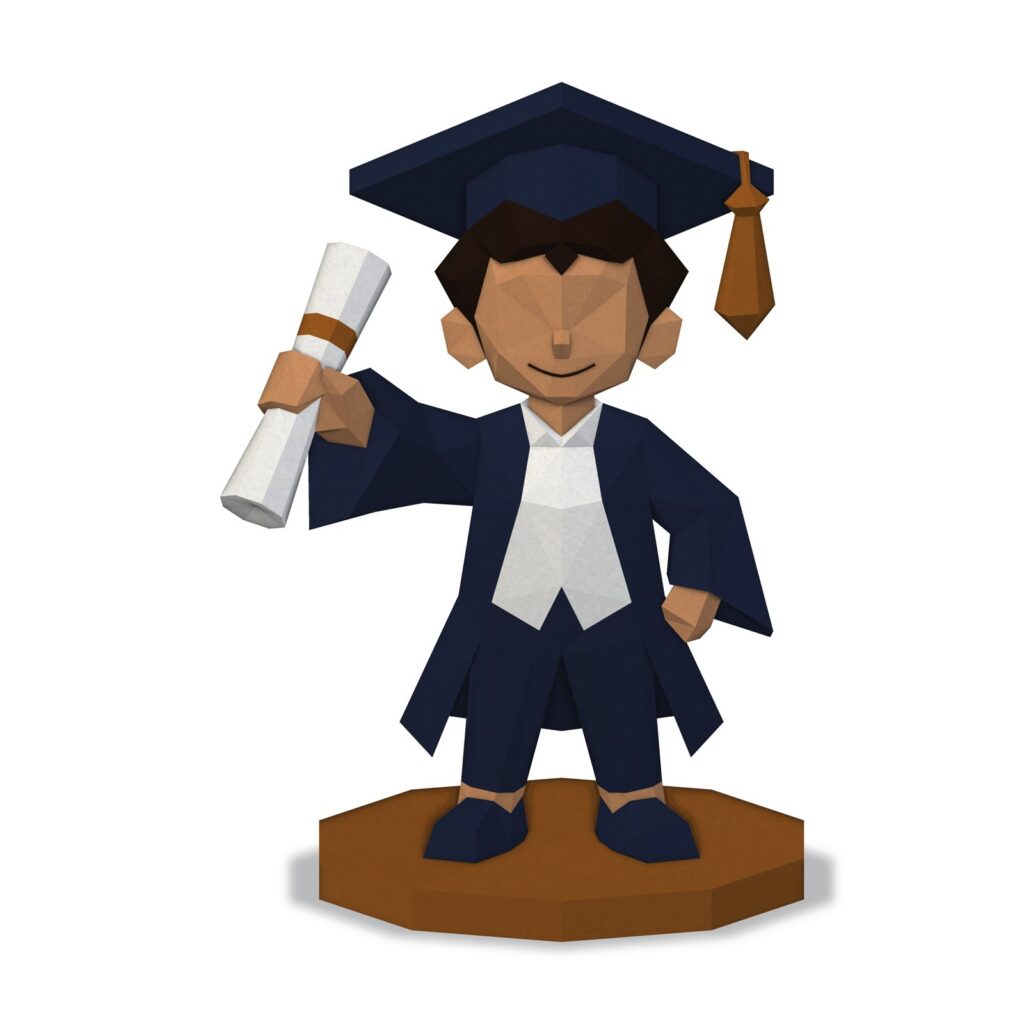
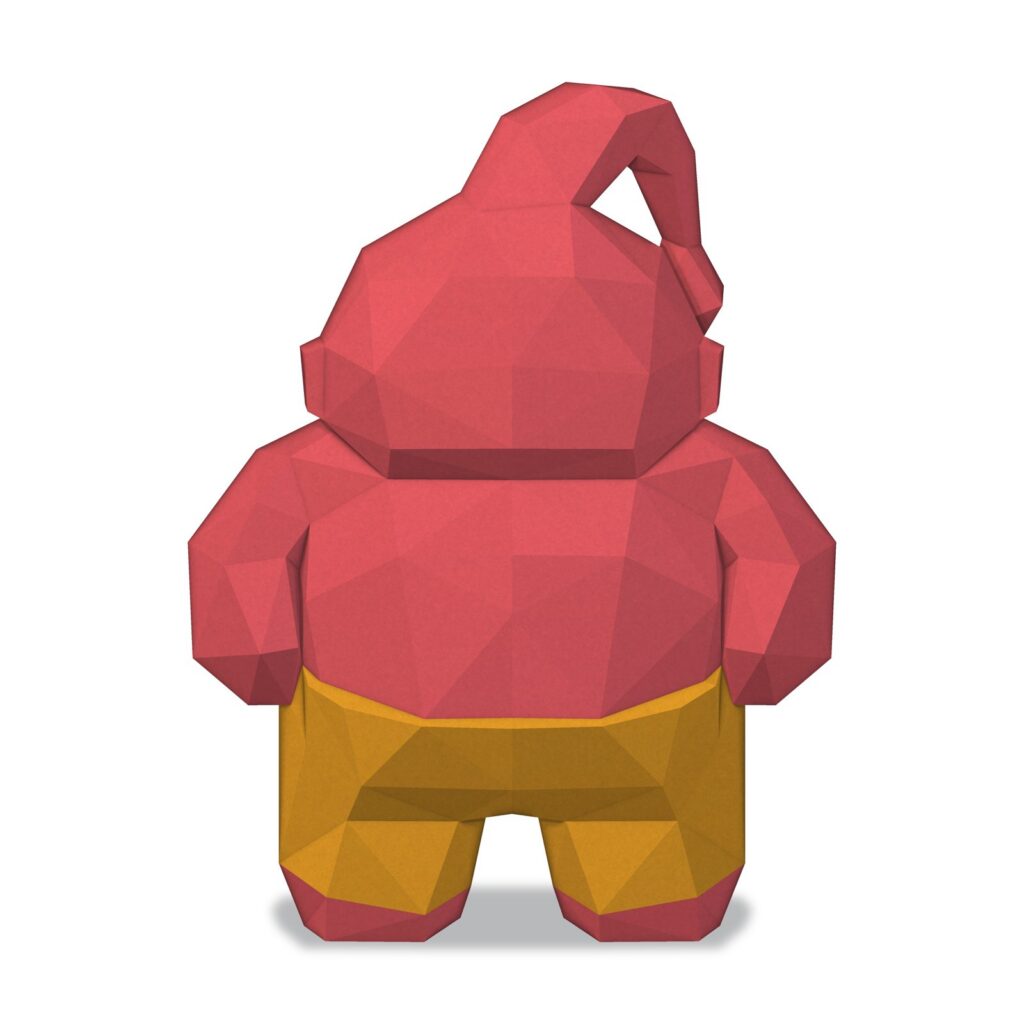
The next step is the paper itself: pick a model from our free papercraft to print or download our downloadable PDF papercraft kit.