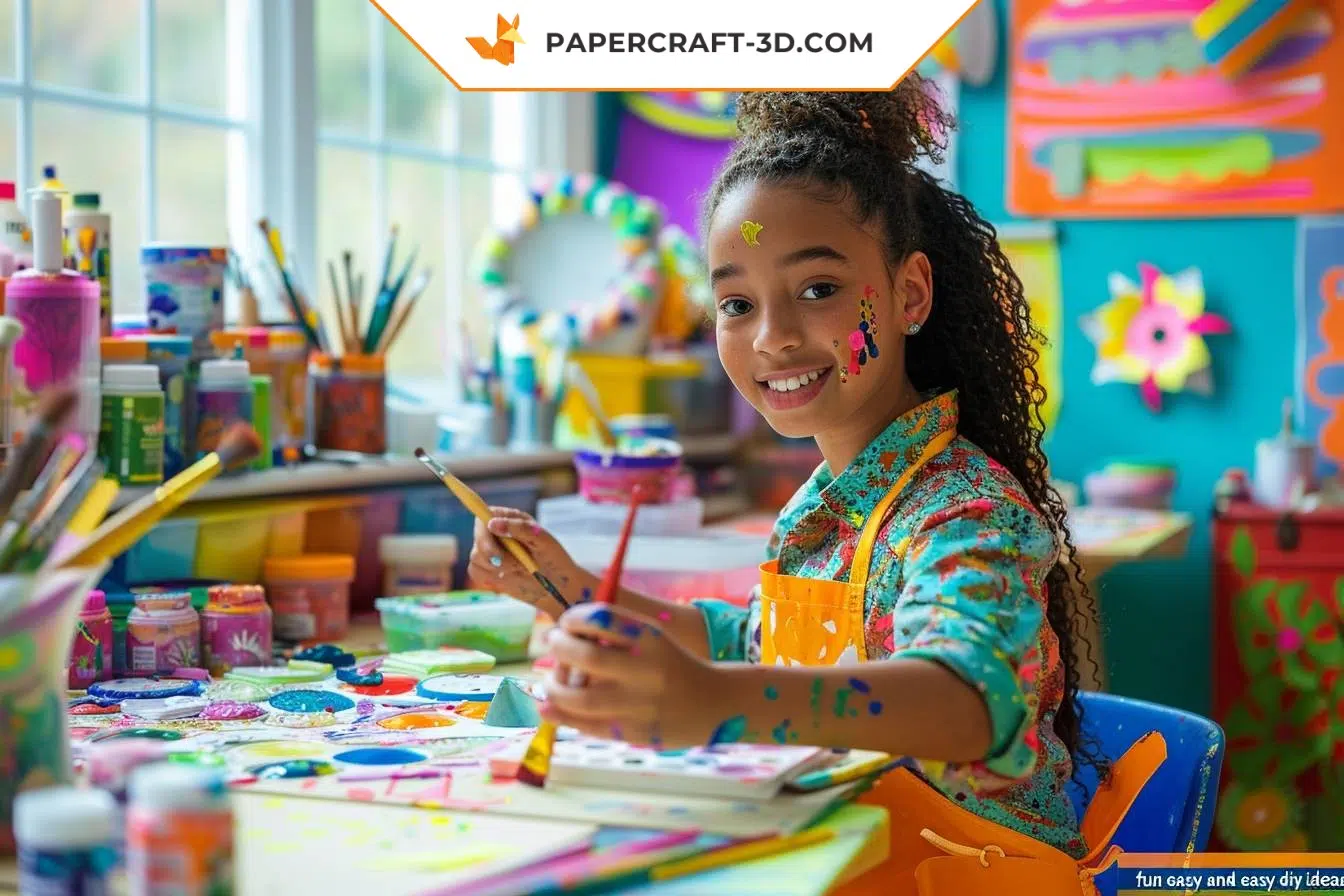
Teenagers need to explore, experiment, make things and turn their ideas into real objects. Creative hobbies are a perfect fit for that urge. They keep hands busy, calm the mind and bring real satisfaction: the feeling of having made something personal. Whether it’s drawing, customising a notebook, making jewellery or assembling a 3D papercraft animal, every project becomes a space for self-expression.
The good news is that you do not need a fully equipped studio or a huge budget to get started. With a few simple tools, a bit of patience and a motivating idea, a teenager can begin very quickly. And among all creative activities, 3D papercraft stands out. It combines precision, design, construction and visual impact. It is a calm, stylish and highly rewarding activity.
| Key points to remember |
|---|
| Creative hobbies help teenagers express their personality and build confidence. |
| 3D papercraft is a complete, accessible and highly motivating activity. |
| With the right materials and guided projects, it is easy to get started at home. |
| The papercraft kits available on papercraft-3d.com make it possible to create impressive models step by step. |
Why creative hobbies are so beneficial for teenagers
Adolescence is a time of change. You are finding your style, your tastes and your bearings. Creative activities offer a free space where you can experiment without school pressure. You can make mistakes, start again and improve. That is incredibly valuable.
Making things with your hands helps you focus on the present moment. This kind of pause often has a calming effect. Many teenagers enjoy this type of activity because it lets them switch off from screens while still feeling stimulating. It is not about being bored. It is about doing.
Building concentration and patience
Cutting neatly, assembling pieces, choosing colours, following a pattern, correcting a mistake: all of this requires attention. Creative hobbies teach you to move forward step by step. The result does not come instantly, and that is exactly where their strength lies. A teenager discovers that with patience, they can create something genuinely impressive.
Boosting self-confidence
Finishing a project brings a real sense of pride. It can be displayed in a bedroom, given as a gift, shared with friends or shown on social media. That sense of achievement matters. It proves that you are capable of seeing an idea through. Even a small project can have a big impact on self-esteem.
Stimulating imagination and practical thinking
Creative hobbies engage both imagination and logic. You need to picture a result, choose a method, organise your materials and make decisions. The brain loves this combination. This is especially true for 3D activities such as 3D papercraft, which require an understanding of shapes, folds and assembly.
Channelling stress in a positive way
Creating can help release pressure. When your hands are busy, the mind slows down. The repetitive rhythm of cutting, folding or gluing is often very relaxing. For a teenager who needs to unwind after school, it is an excellent option.
Which creative hobbies do teenagers enjoy most?
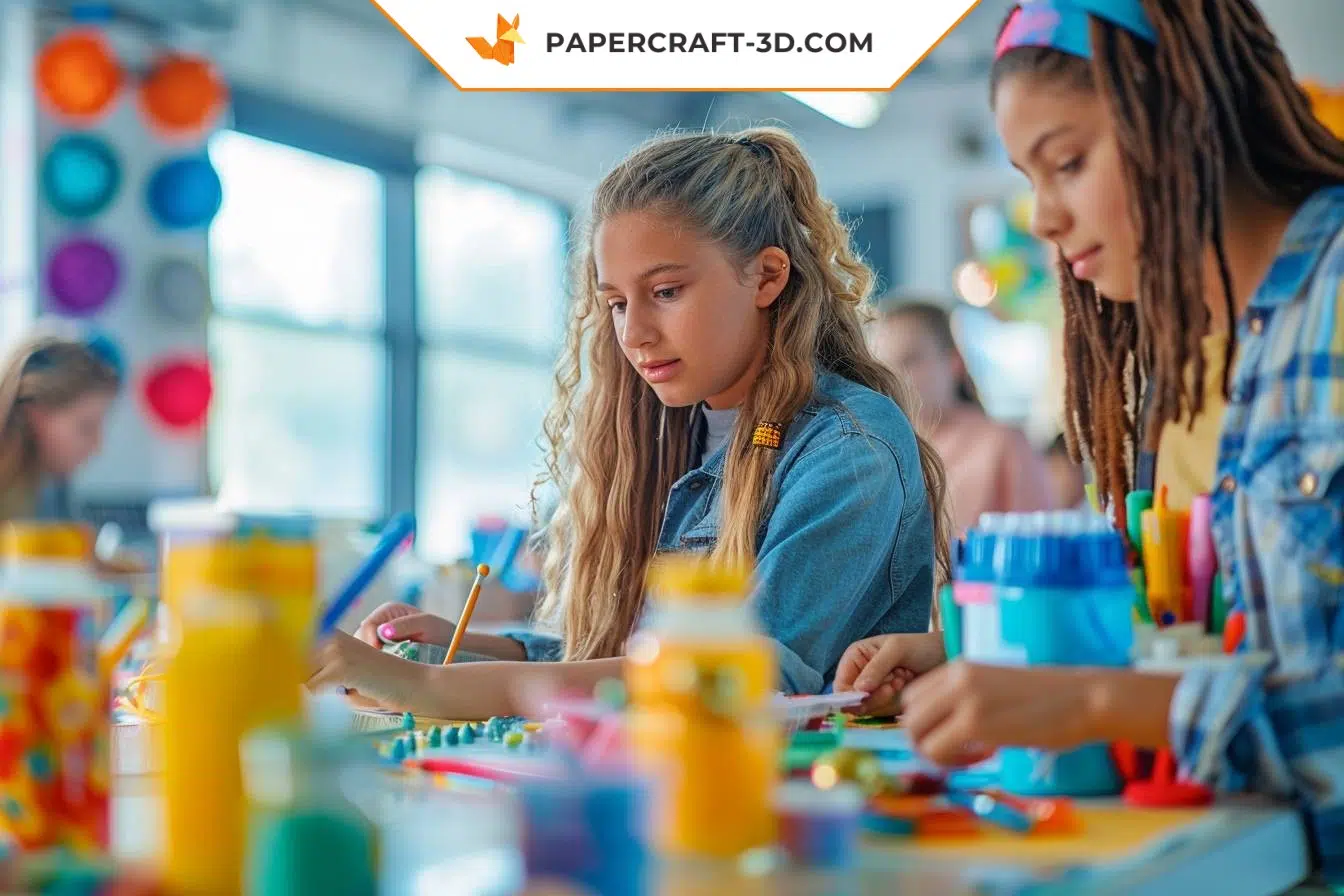
Teenagers tend to enjoy activities that produce a visible, customisable result that looks good enough to show off. They also like projects that leave plenty of room for freedom. Here are the ideas that often work particularly well.
Scrapbooking and creative journals
Scrapbooking lets you combine photos, memories, collages, drawings, tickets, quotes and colours. It is an ideal activity for capturing a period of life, a trip, a school year or a passion. Teenagers who enjoy writing or decorating often get into it very quickly.
DIY jewellery
Bracelets, necklaces, rings, keyrings, charms made from polymer clay or beads: DIY jewellery remains a classic favourite. You can create pieces that match your own style, give your creations as gifts, or even imagine a mini collection to go with different outfits.
Drawing, painting and creative markers
These activities remain very popular because they are easy to start. A sheet of paper, a few pencils or felt-tip pens, and you can begin creating straight away. They are also a good starting point for teenagers who are still unsure which type of creative activity they prefer.
Customising everyday objects
Personalising a tote bag, a phone case, a notebook, canvas trainers or a storage box is hugely appealing. You start with an everyday object and transform it. It is creative, useful and often very on-trend.
Paper models and constructions
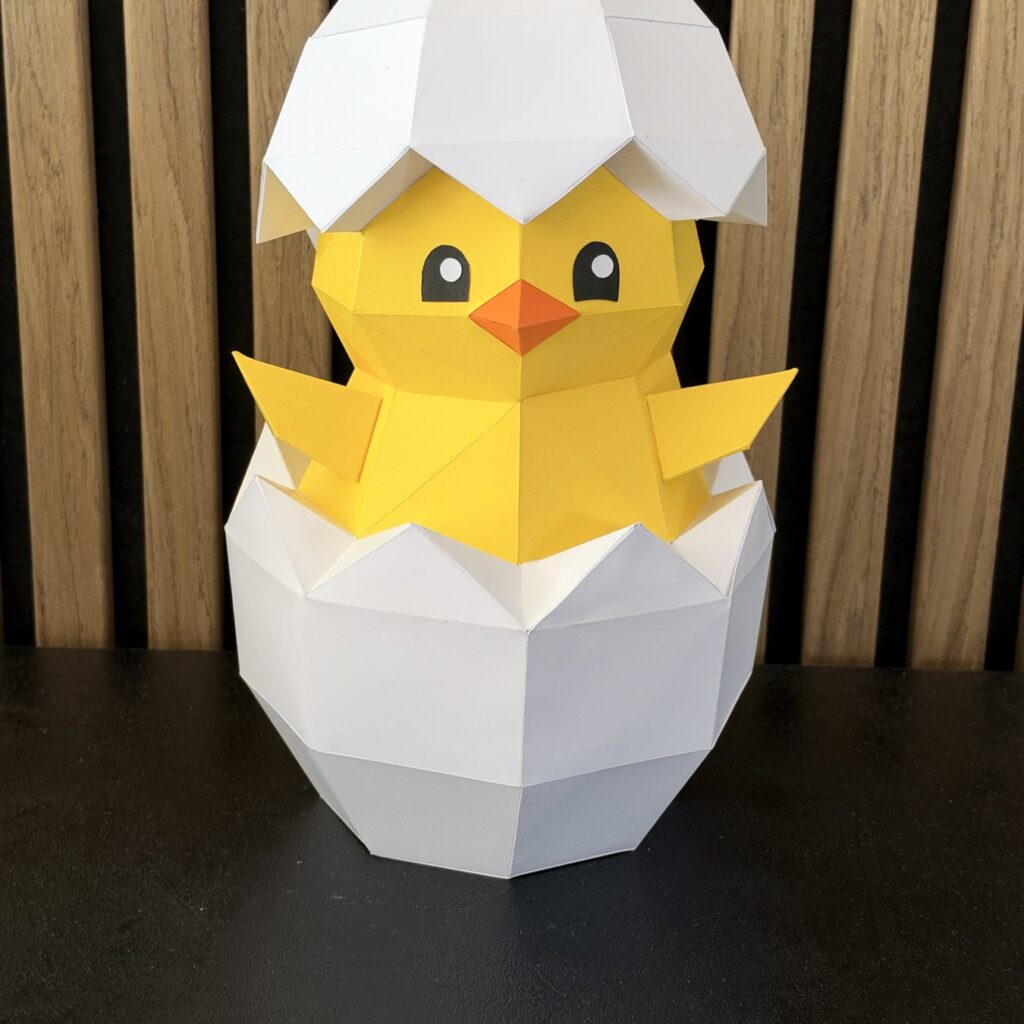
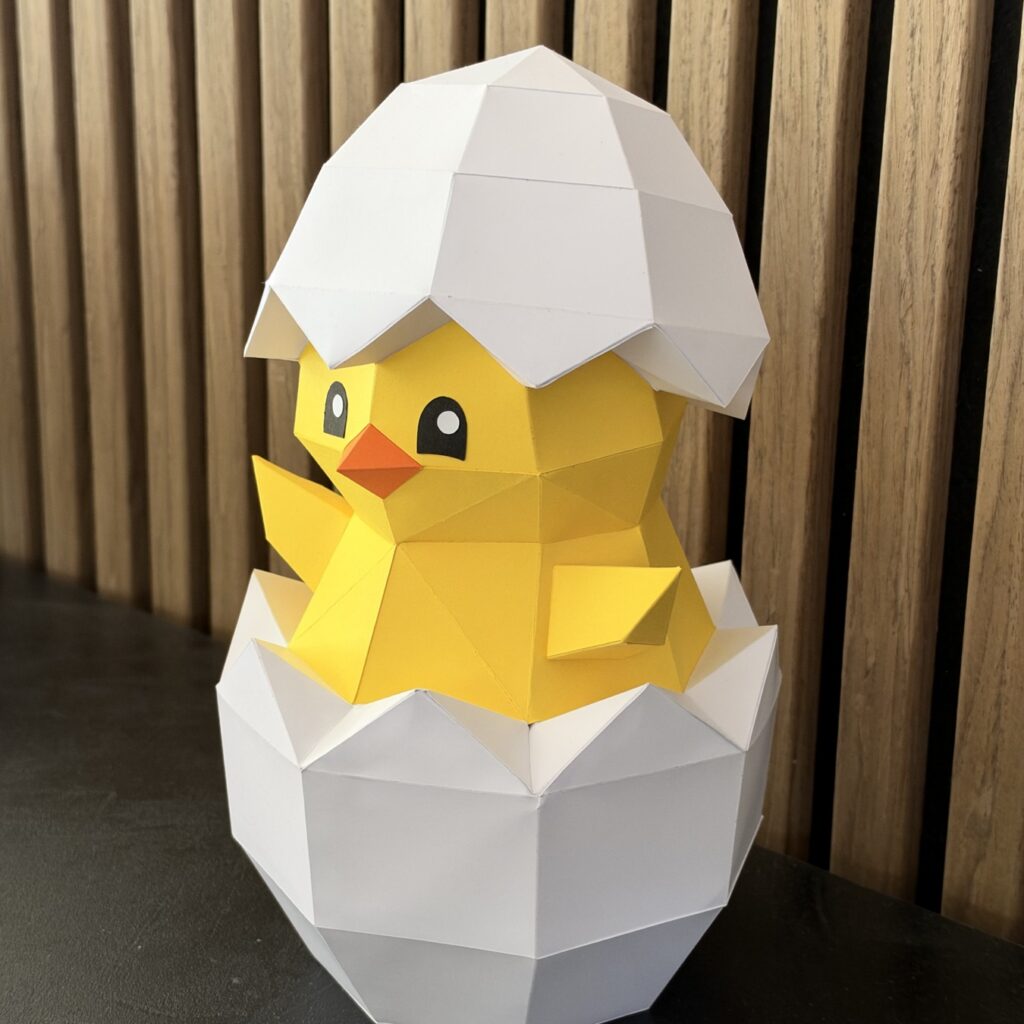
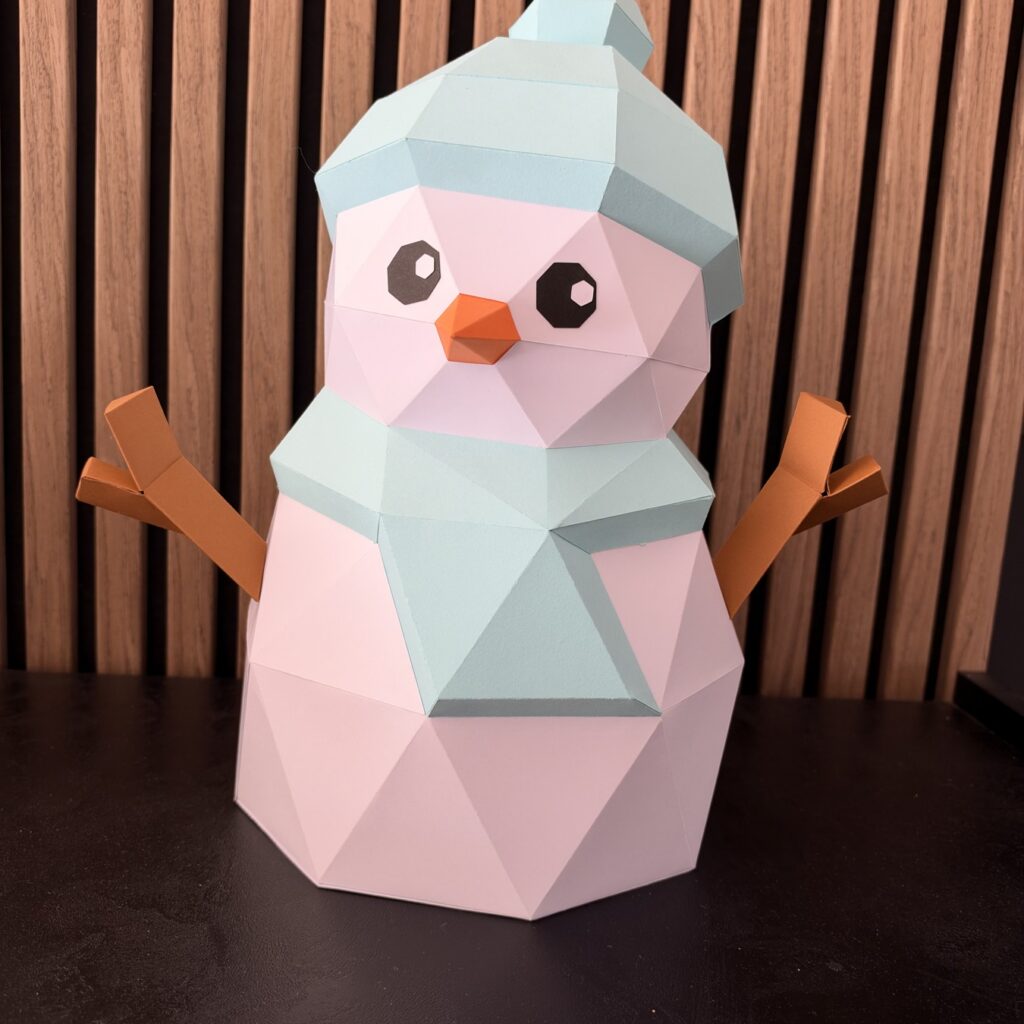
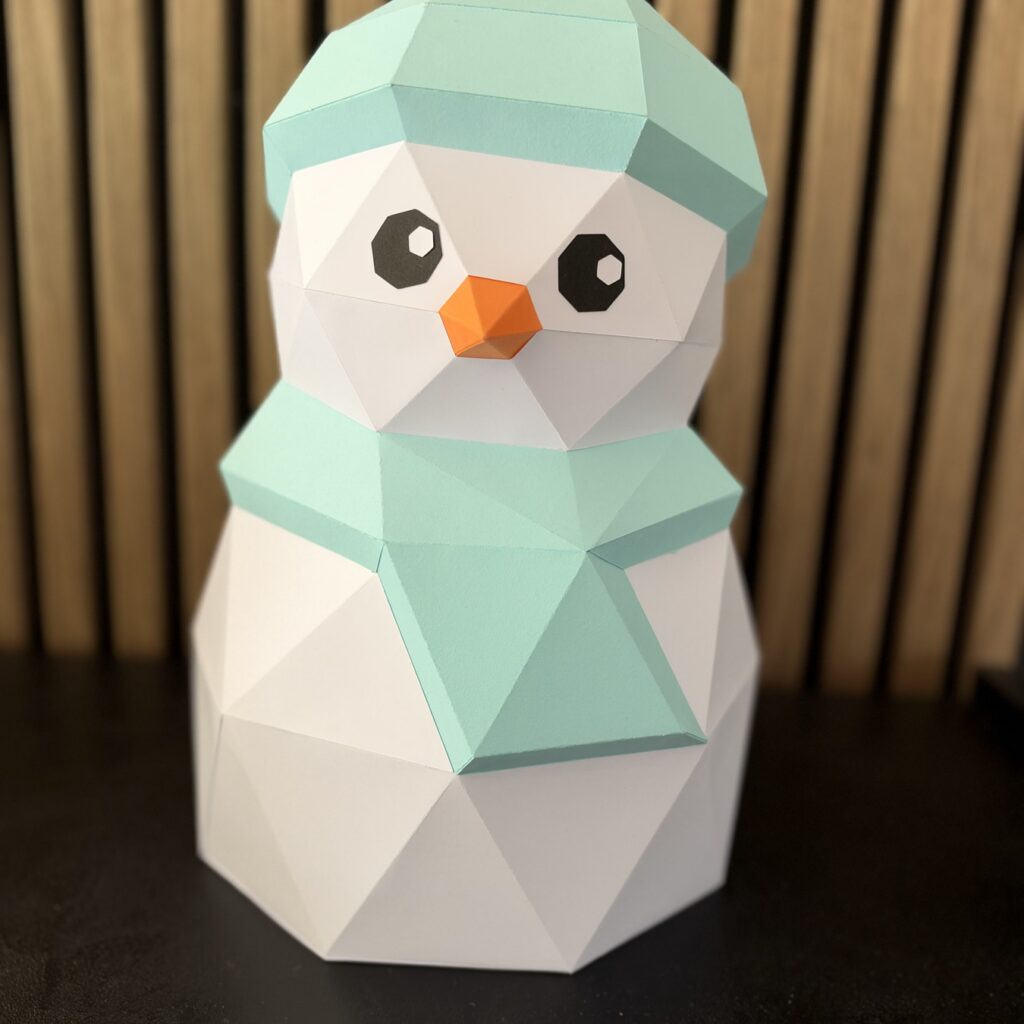
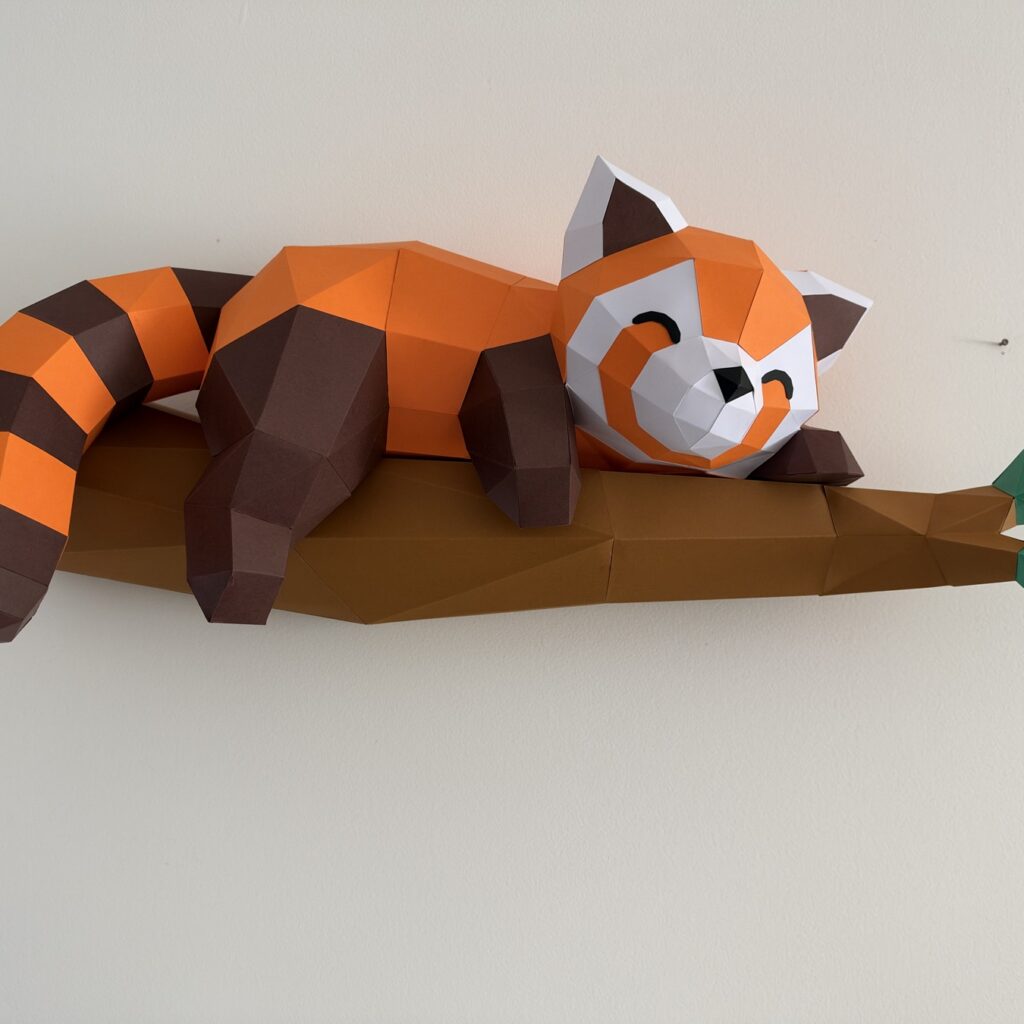
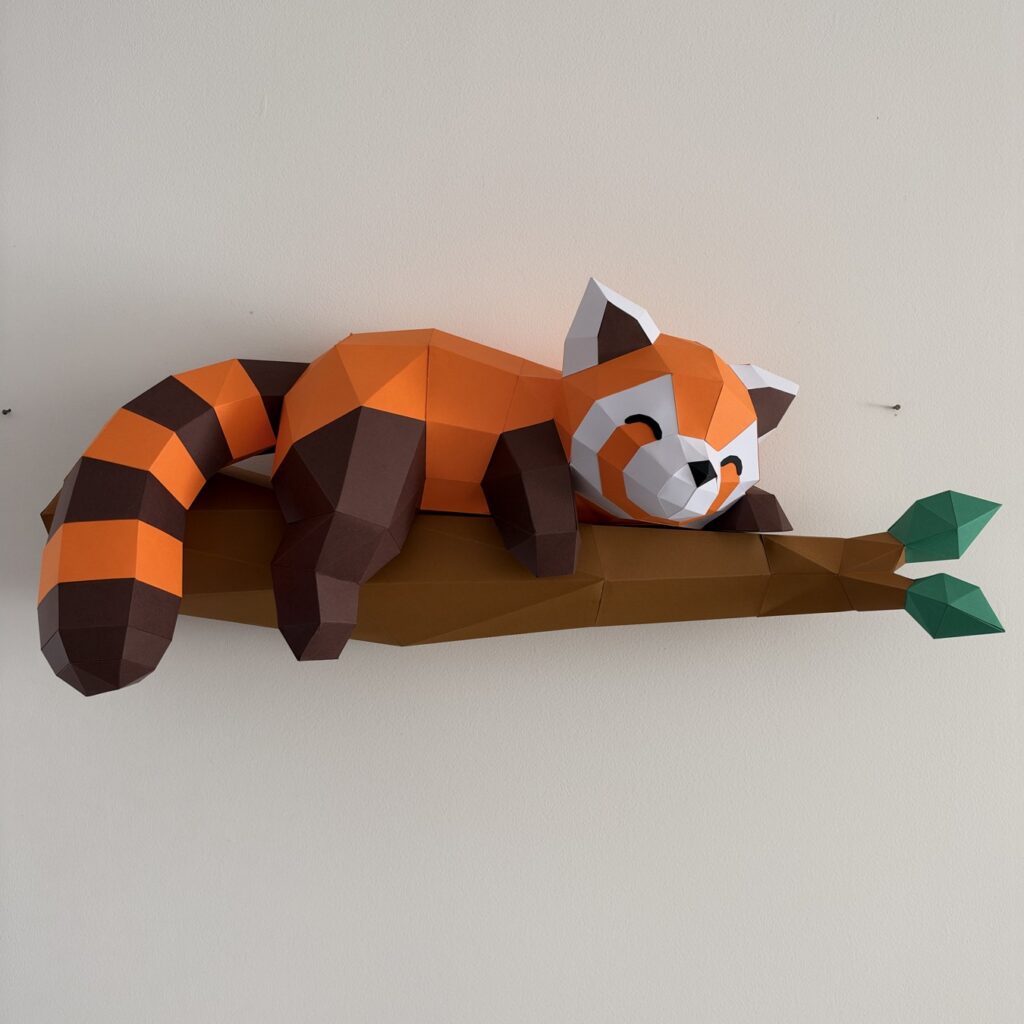
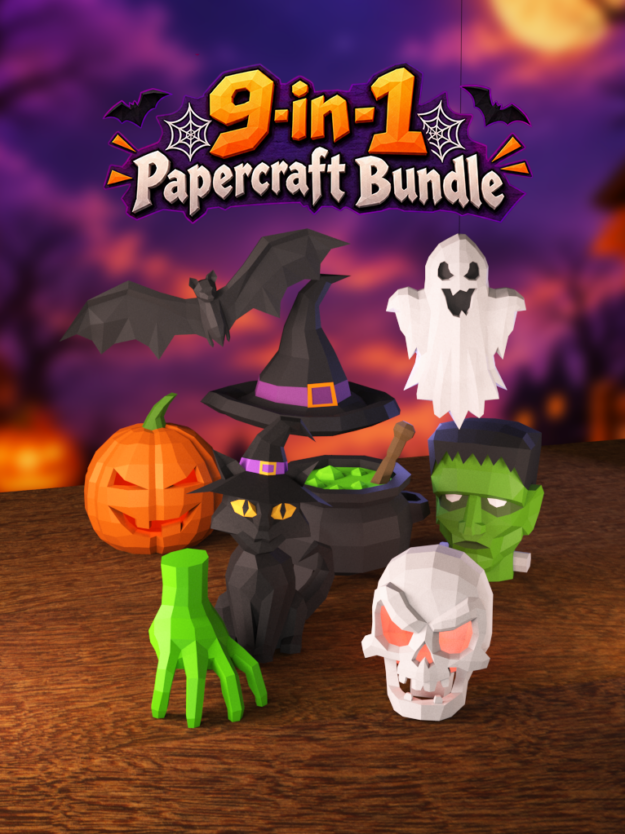
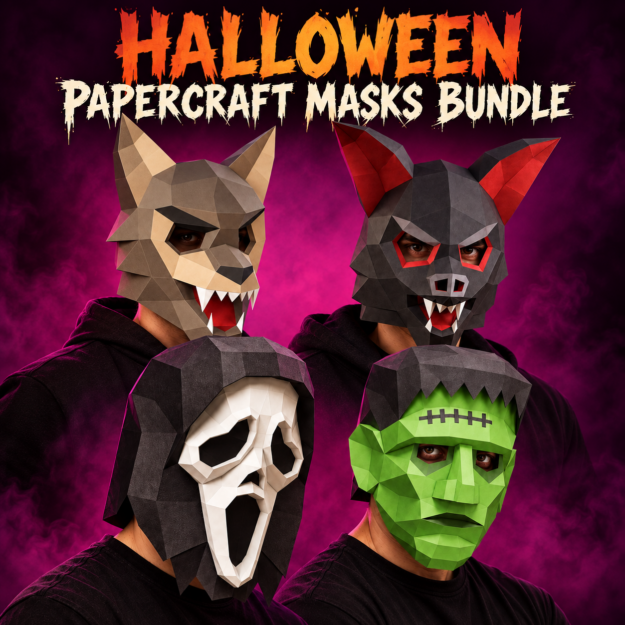
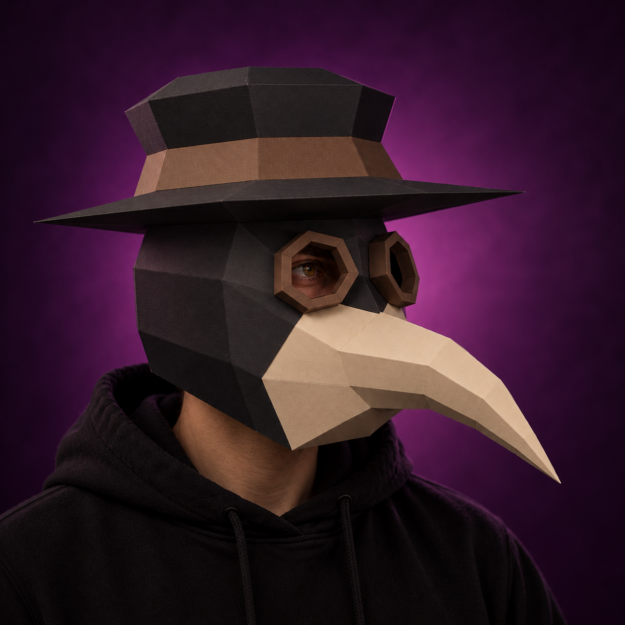
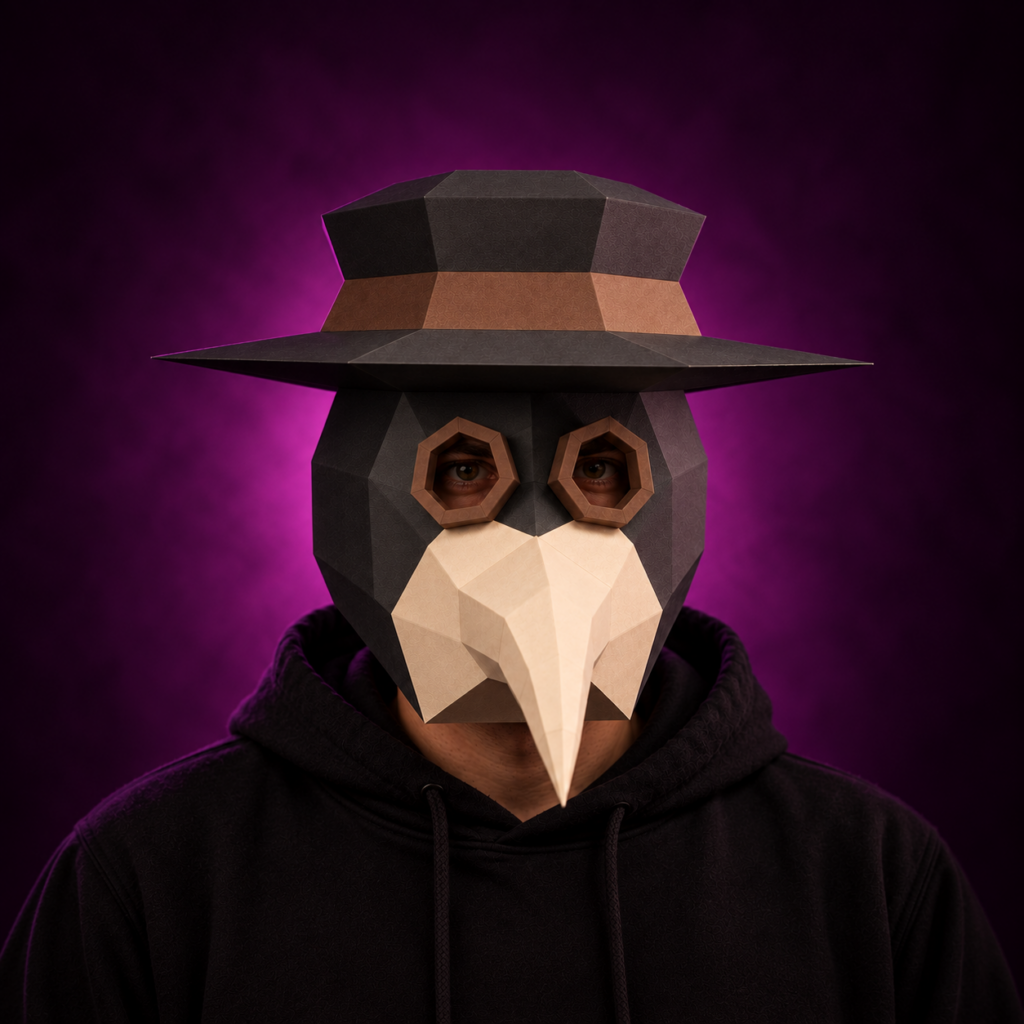
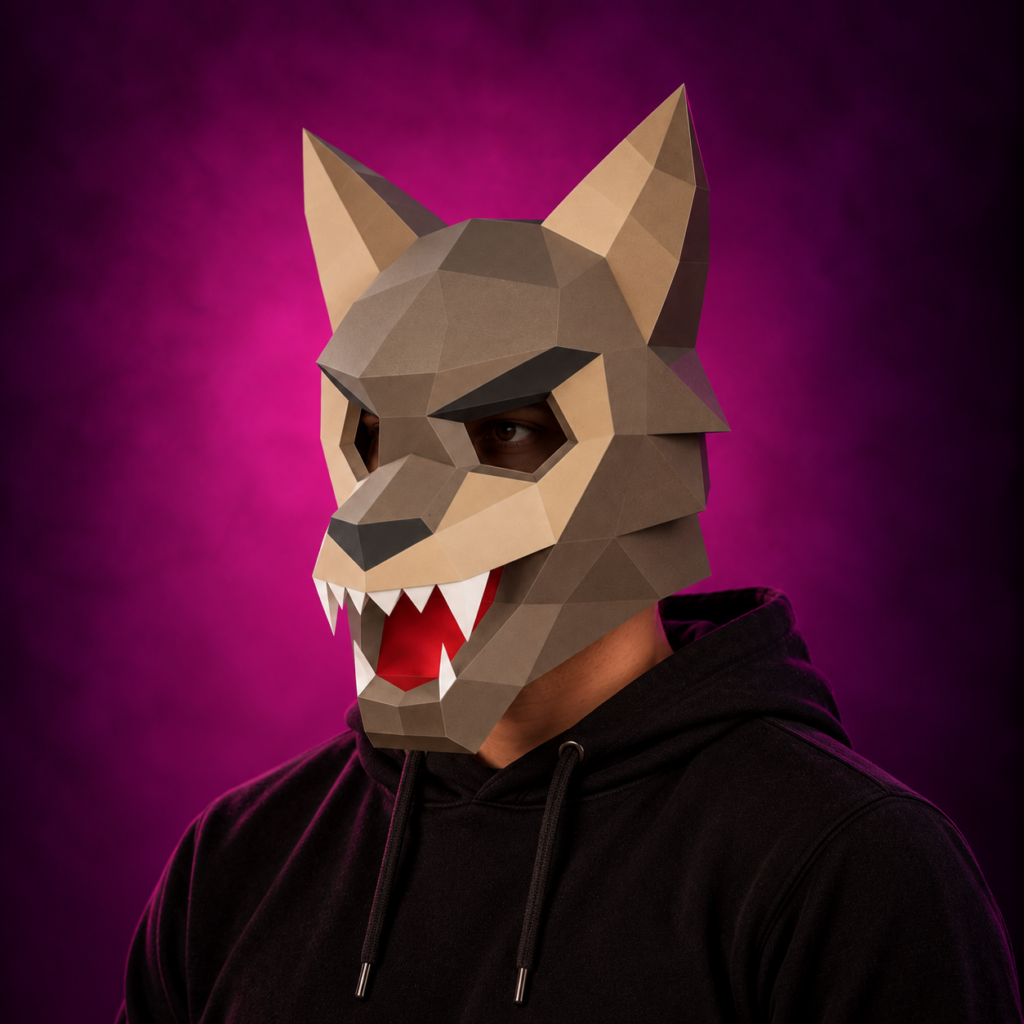
Construction-based activities appeal to teenagers who enjoy assembling things, understanding volume and achieving a striking result. Among them, 3D papercraft clearly stands out. It allows you to create animals, masks, wall trophies, characters or stylish decorative pieces from paper. The final effect is spectacular.
3D papercraft: the ideal creative hobby for teenagers
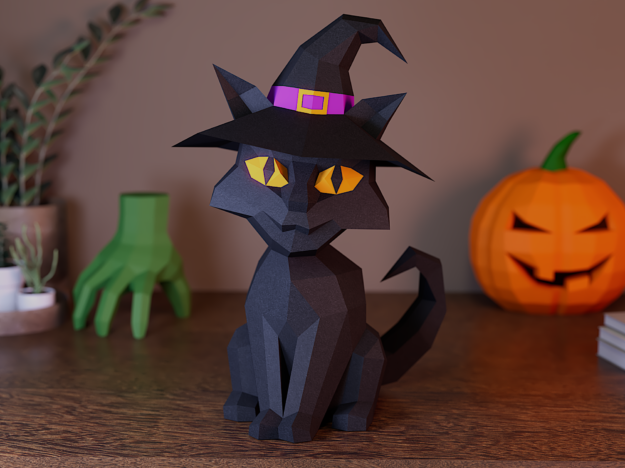
If you are looking for an activity that is original, modern and accessible all at once, 3D papercraft deserves your full attention. The idea is simple: you cut, fold and assemble paper pieces to build a three-dimensional shape. But the final result is anything but simple. A geometric fox, a stylised panda, a dinosaur, a unicorn head or a paper wall animal can become a real decorative feature.
Why teenagers love papercraft so much
3D papercraft ticks a lot of boxes. It is hands-on, but not childish. It requires precision, without needing drawing skills. It gives a stylish result, perfect for decorating a bedroom or making an original gift. And above all, it creates that deeply satisfying feeling of building something piece by piece.
Teenagers also love the “wow” effect of the finished result. At the beginning, there are only printed sheets. By the end, you have a paper sculpture. That transformation makes you want to carry on and try more and more ambitious models.
Skills developed through 3D papercraft
This activity builds several useful skills:
- concentration, to follow the steps without getting lost;
- fine motor skills, through cutting and folding;
- spatial reasoning, to understand how a shape comes together;
- perseverance, because a beautiful model has to be earned;
- an eye for aesthetics, thanks to colour choices and the final presentation.
A creative activity that does not require a huge budget
3D papercraft remains very affordable. A few basic tools are enough. After that, it all depends on the model you choose. To save time and achieve a neat finish, many teenagers prefer to begin with ready-to-assemble kits. That is exactly what papercraft-3d.com offers, with a wide range of models that are easy to understand and designed to deliver a great result.
Essential tools for teenage creative hobbies
Before getting started, it is best to set up a small creative corner. There is no need for a large space. A well-lit desk, a protective mat and a storage box are already more than enough.
Basic materials
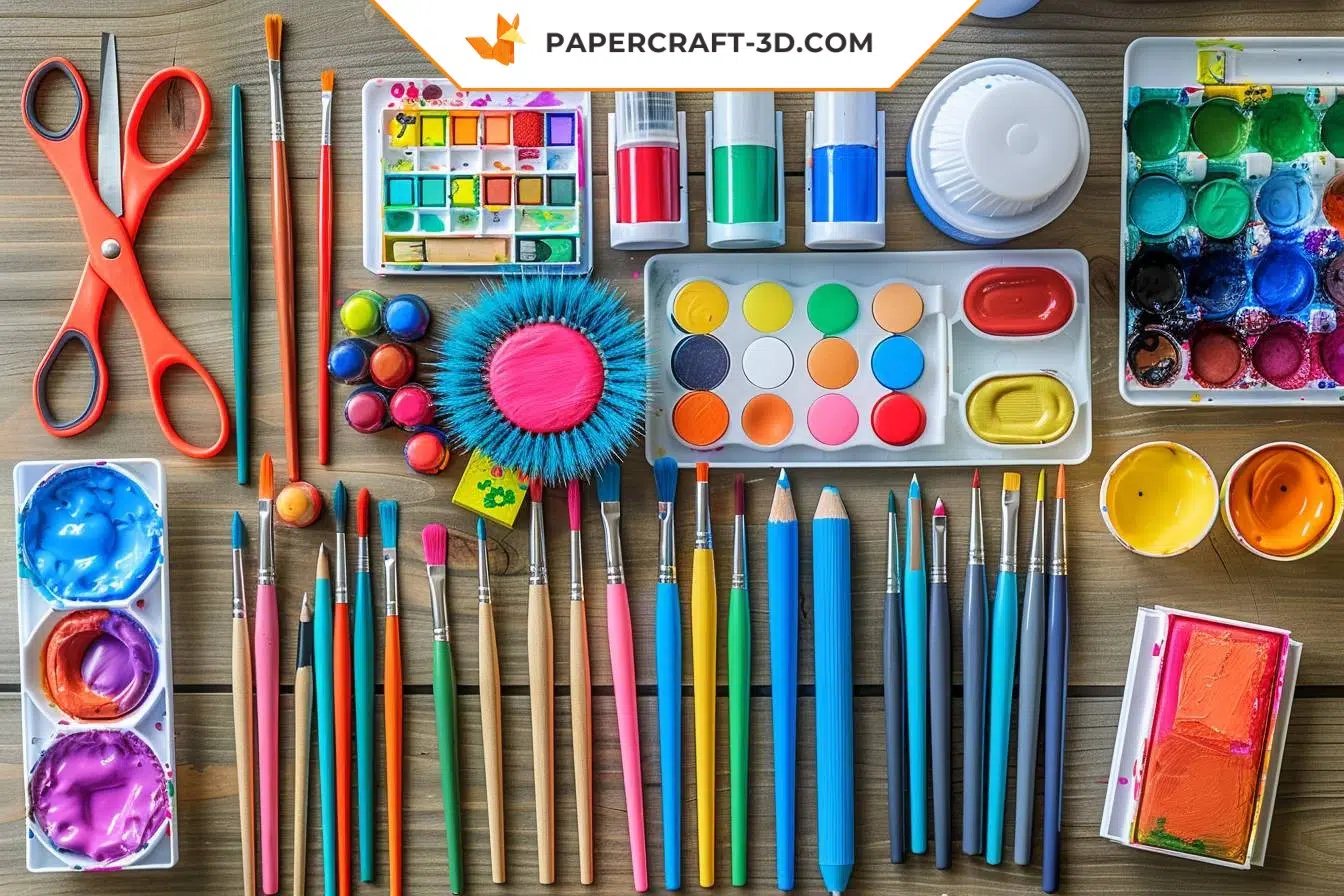
For most creative activities, these are the essentials:
- precise scissors;
- a precision craft knife for fine cuts;
- a metal ruler;
- glue suitable for paper;
- coloured pencils, felt-tip pens or markers;
- thick paper or cardstock;
- a cutting mat;
- an eraser and a pencil;
- tweezers or small clips to hold certain pieces if needed.
Specific tools for 3D papercraft
To create attractive 3D models, a few tools really make a difference:
- paper between 160 and 250 gsm: thick enough to hold its shape, without being too rigid;
- a scoring tool or the back of a non-sharp butter knife: to mark folds neatly;
- gel glue or white glue in small amounts: to avoid smudges;
- tweezers: useful for handling small tabs;
- a flat surface: essential for neat assembly.
If a teenager is just starting out, the easiest option is often to begin with a 3D papercraft kit that is already prepared. The models available on papercraft-3d.com help avoid uncertainty when choosing a design and provide a motivating starting point from the outset.
How to get started with 3D papercraft without feeling discouraged
The secret is to begin with a suitable project. A model that is too complex can be discouraging. A well-chosen model makes you want to continue. For a first attempt, it is better to choose a simple animal head, a small figurine or a decorative object with few pieces.
Good habits to adopt from the start
It helps to read through the entire tutorial before touching any materials. Then prepare your tools, cut calmly, and score the folds before gluing. Many mistakes come from rushing. In papercraft, going slowly actually saves time.
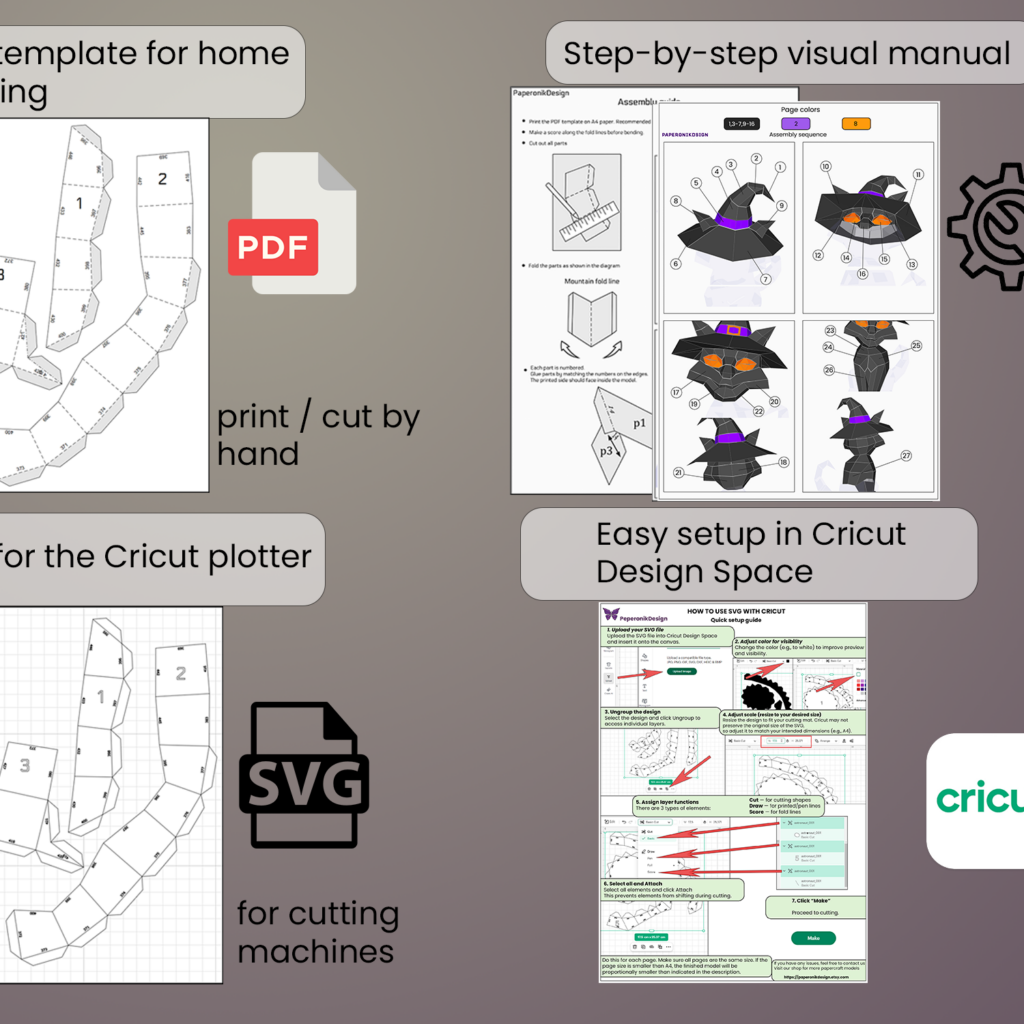
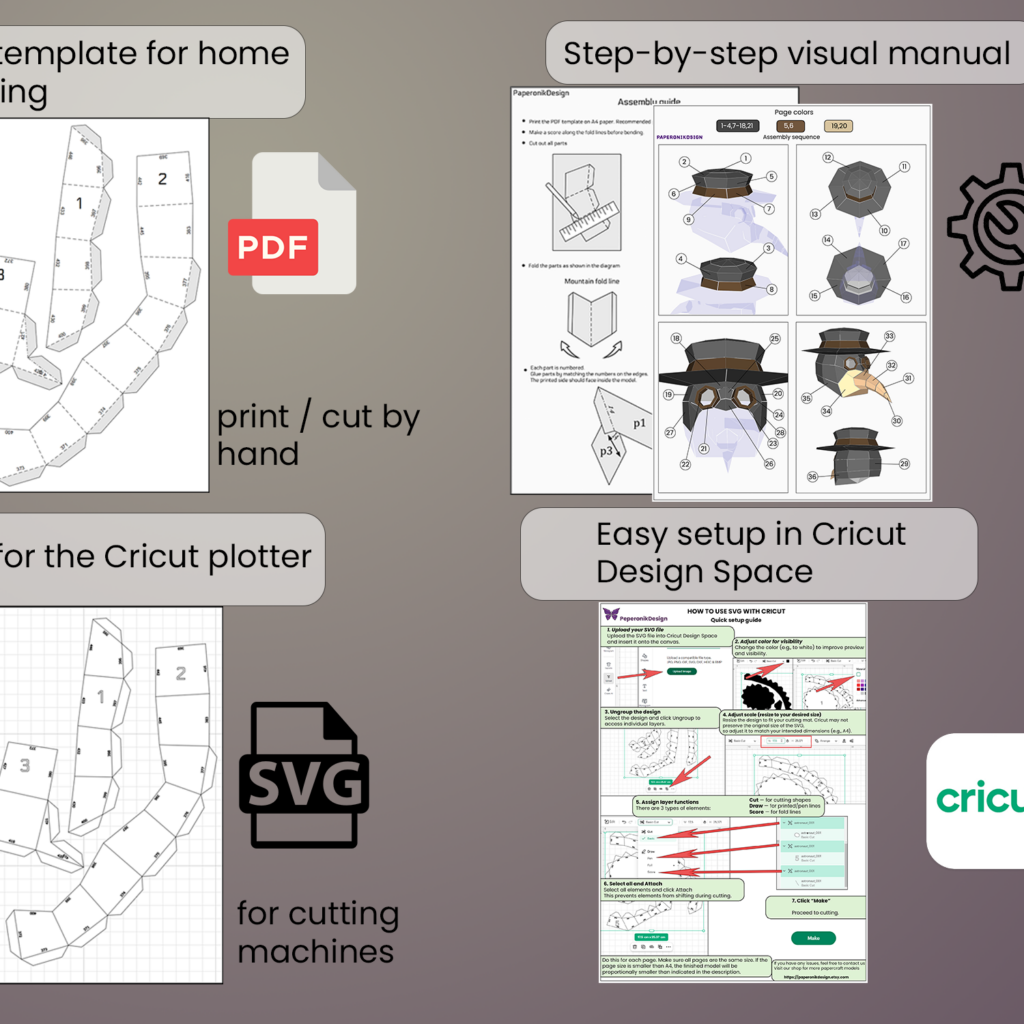
You should also follow the assembly order carefully. The tab numbers act as a guide. When you follow the steps, the volume takes shape in a logical way. And if a piece seems to be in the wrong position, it is better to check before adding glue.
Step-by-step project: create a 3D papercraft animal
Here is a practical project that is perfect for a teenager who wants to discover this activity. The example below applies to a simple animal, such as a fox, cat, panda or small geometric rabbit. If you use a kit from papercraft-3d.com, you will already have the pieces ready to print or assemble, depending on the model you choose.
What you will need
Prepare:
- the papercraft model sheets;
- suitable cardstock if printing is required;
- scissors or a precision craft knife;
- a ruler;
- a scoring tool;
- glue;
- a clean work surface.
Step 1: choose the right model
Start with an animal at beginner or intermediate level. The aim is to understand the construction process, not to chase performance. An animal with simple geometric shapes is perfect for learning.
Step 2: print or prepare the pieces
If the model needs printing, use paper that is thick enough. Check the print settings to keep the correct size. If you have a ready-to-use kit, take out the pieces and sort them calmly.
Step 3: cut carefully
Cut out each piece by following the outlines. For sharp corners, a craft knife can give a cleaner result. Lay the cut pieces out in order, or group them by body area: head, ears, snout, body, legs.
Step 4: score all the folds
This is an essential step. Using a ruler and a scoring tool, mark the fold lines before actually folding. This makes the assembly much neater. Follow the fold direction shown on the model.
Step 5: fold the pieces
Fold each tab and edge with precision. The volume will already begin to appear. Take the time to adjust the angles. A good fold makes gluing much easier.
Step 6: start assembling the smaller areas
You can often begin with the head or the snout. Apply a small amount of glue to one tab, then join it to the matching piece. Hold for a few seconds. Continue gradually. There is no need to glue several sections at the same time.
Step 7: build the main volume
Once the smaller areas are assembled, connect them to the rest of the body. At this stage, the animal starts to take shape. It is the most rewarding moment. Check regularly that the edges stay sharp and that the glue does not spill over.
Step 8: close the final sections
The last joins are sometimes the trickiest, because access to the inside becomes limited. Use tweezers if necessary to press the inner tabs into place. Work calmly.
Step 9: leave it to dry
Once the animal is assembled, let it rest on a flat surface. Full drying helps the model stay stable and hold its shape.
Step 10: display your creation
Place the animal on a shelf, desk or bedside table. You can also create a small display with several matching models. Many teenagers enjoy putting together a collection of animals or paper wall trophies.
Other step-by-step creative projects for teenagers
3D papercraft can become the main activity, but it also pairs very well with other creative hobbies. Here are a few simple and motivating ideas.
Create a personalised travel journal
Materials: blank notebook, printed photos, tickets, masking tape, stickers, coloured pens.
Steps:
- Choose a theme: travel, concert, holidays, school year.
- Sort the photos and keepsakes to stick in.
- Plan each double-page spread before gluing.
- Add titles, captions and a few drawings.
- Decorate the empty spaces with coloured paper or stickers.
Make a graphic tape art canvas
Materials: canvas or thick sheet, adhesive tape, acrylic paint, brushes.
Steps:
- Stick the tape down to create triangles, lines or abstract shapes.
- Paint the spaces between the strips using several colours.
- Leave to dry completely.
- Remove the tape to reveal a clean, modern pattern.
Make an origami fairy light garland
Materials: origami paper, mini LED string lights, double-sided tape.
Steps:
- Fold several simple paper shapes.
- Make a small opening in the centre of each shape.
- Carefully insert each LED bulb.
- Secure with a little tape if necessary.
- Hang the garland in the bedroom for soft, personalised décor.
3D papercraft as bedroom décor for teenagers
The great advantage of 3D papercraft is that it does not end up at the back of a drawer. Once assembled, it becomes a real decorative feature. A wall mask, an animal head, a colourful sculpture or a series of small models on a shelf can transform a bedroom into a creative space.
Creations that reflect personality
A teenager can choose an animal they love, a world they enjoy, colours that match their room or a more minimalist graphic style. The finished result feels very personal. That is what gives this activity so much of its charm.
An original gift idea
A 3D papercraft model can also be given as a gift. For a birthday, a celebration or simply to make someone happy, it is a handmade present that stands out from the usual options. It has real emotional value, because it takes time and care to make.
How to encourage a teenager to try a creative activity
Not every teenager will naturally reach for a pair of scissors and a glue stick. To get them interested, start with their tastes. Do they like animals, décor, video games, stylish objects, manga, pastel colours, minimalism? From there, choose a project that genuinely speaks to them.
3D papercraft works especially well because it has a modern, design-led feel. It is far removed from the clichés of “babyish” crafts. The result can be elegant, graphic and sometimes genuinely impressive. That is often what makes teenagers want to give it a try.
Another important point: it is better to suggest a short project at first. A small success builds confidence. After that, the teenager will be much more willing to try a larger creation.
Why choose a kit rather than an improvised project?
When you are starting out, a kit saves time. The model is designed to be coherent, the pieces are organised and the difficulty level is clearer. This avoids the discouragement that can come from poor paper choices, a badly designed template or a project that is simply too complicated.
The kits available on papercraft-3d.com are particularly well suited to teenagers and motivated beginners. They make it possible to get into the activity quickly with a high-quality final result. It is ideal as a gift, for testing a new passion or for creating truly original bedroom décor.
Practical tips for getting your creations right first time
Prepare your space
A tidy space reduces mistakes. Keep your tools within easy reach and lay out the pieces in a logical order.
Do not use too much glue
This is the most common mistake. A thin layer is enough. Too much glue warps the paper and spoils the finish.
Take your time
The result is always better when you work steadily and calmly. 3D papercraft rewards precision.
Start small
A simple model helps you learn the right techniques. You can then move on to more difficult designs.
Showcase every creation
Display your finished pieces. A visible creation makes you want to make more.
Where can you find inspiration for new projects?
Inspiration can come from anywhere: bedroom décor, favourite animals, on-trend colours, fantasy worlds, festive seasons, handmade gifts. But to save time and find ready-to-make designs, the easiest option is still to visit a specialist shop.
On papercraft-3d.com, you will discover a wide range of models designed for every level. It is an excellent source of ideas for teenagers who want to create something stylish, for parents looking for a meaningful activity, or for anyone who enjoys making beautiful objects from paper.
Papercraft-3d.com: an inspiring resource for creative teenagers
If 3D papercraft appeals to you, papercraft-3d.com is a great place to start. The site offers kits and models that make it easy to move quickly from inspiration to making. It is practical, motivating and deeply satisfying when you want a genuinely beautiful result without starting from scratch.
Whether a teenager likes animals, decorative objects or geometric shapes, they can find a project that suits their taste. It is also an excellent idea for a solo creative moment, a rainy afternoon, an original gift or an activity to share with the family.
Fancy giving it a try? Discover the kits, models and inspiration on papercraft-3d.com and get started on a 3D paper creation that will add real style to any teenager’s bedroom.
Creative teens FAQ
What are the benefits of creative hobbies for teenagers?
Creative hobbies help teenagers concentrate, develop patience and express their personality. They also build self-confidence, because completing a project brings a genuine sense of achievement. It is also a good way to relax after school and take a break from screens.
Is 3D papercraft suitable for beginners?
Yes, provided you choose a simple model to begin with. 3D papercraft is very well suited to motivated beginners. With a few basic tools, a little method and a well-designed model, a teenager can achieve a very attractive result from their very first project.
What tools do you need to start 3D papercraft?
To get started, you mainly need cardstock, scissors or a precision craft knife, a ruler, glue and ideally a scoring tool to mark the folds. A clean, well-lit work surface also helps a great deal. The kits offered on papercraft-3d.com make getting started even easier.
What type of creative project do teenagers enjoy most?
Projects that produce a decorative, personalised and rewarding result are often the most popular. 3D papercraft, DIY jewellery, object customisation and creative journals all work very well. Teenagers like seeing the result of their efforts fairly quickly and being able to display or gift their creations.
Where can you find 3D papercraft models for teenagers?
The easiest way is to use a specialist website. On papercraft-3d.com, you will find a wide range of kits and models suitable for different skill levels. It is practical for choosing a motivating project, avoiding poorly designed templates and achieving a clean, attractive final result.
How can you avoid feeling discouraged by a creative project?
You should begin with a project at your level, prepare all the materials before starting and work step by step. In 3D papercraft, it is better to choose a small model to learn the basic techniques. Once the first project is finished, motivation tends to grow very quickly.
Conclusion
Creative hobbies are a real opportunity for teenagers. They make it possible to discover themselves, develop useful skills and create objects that have meaning. Among all the possible activities, 3D papercraft stands out for being stylish, accessible and engaging. It offers the pleasure of building, the pride of displaying and the desire to start again.
To find an inspiring model, begin with a well-designed kit or move on to a more ambitious project, visit papercraft-3d.com. You will find plenty there to inspire teenagers’ creativity with truly original 3D paper creations.
You may also like: printable paper mask templates, Mario papercraft templates.