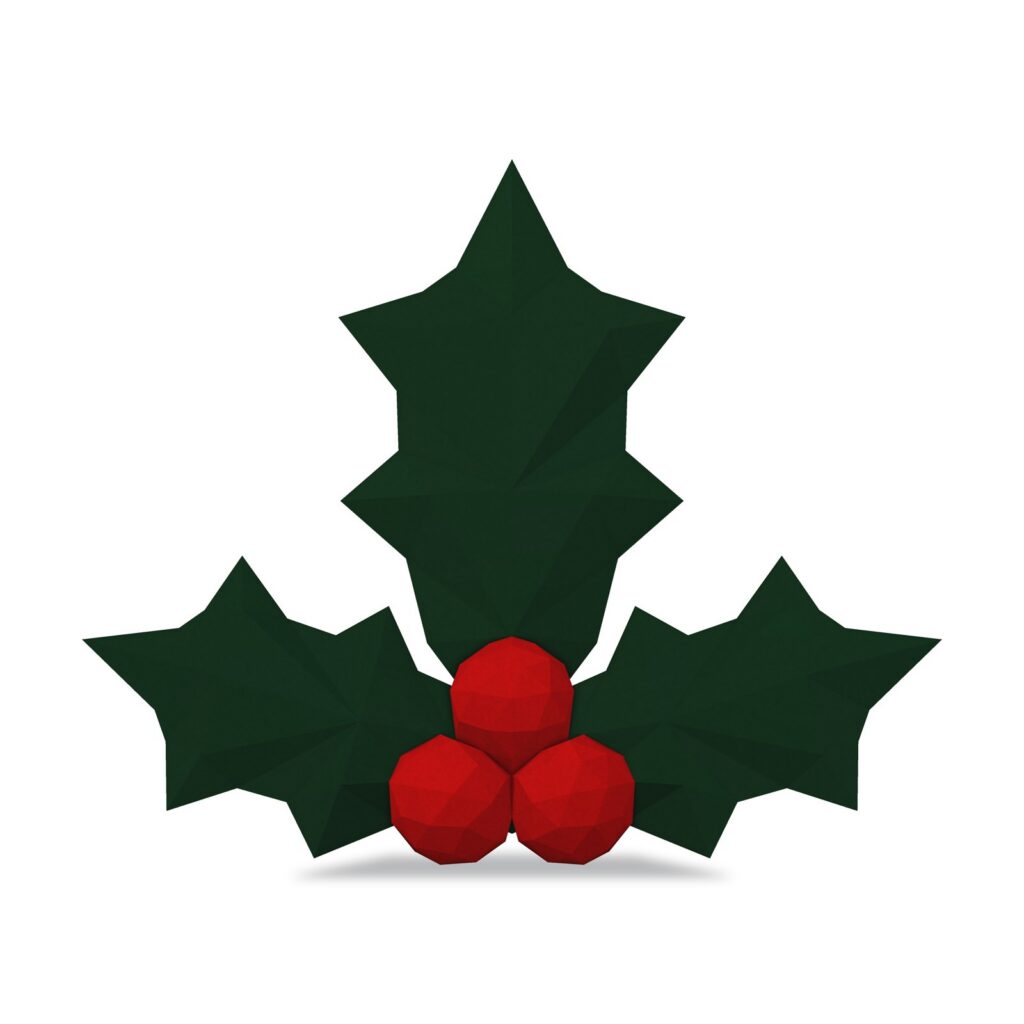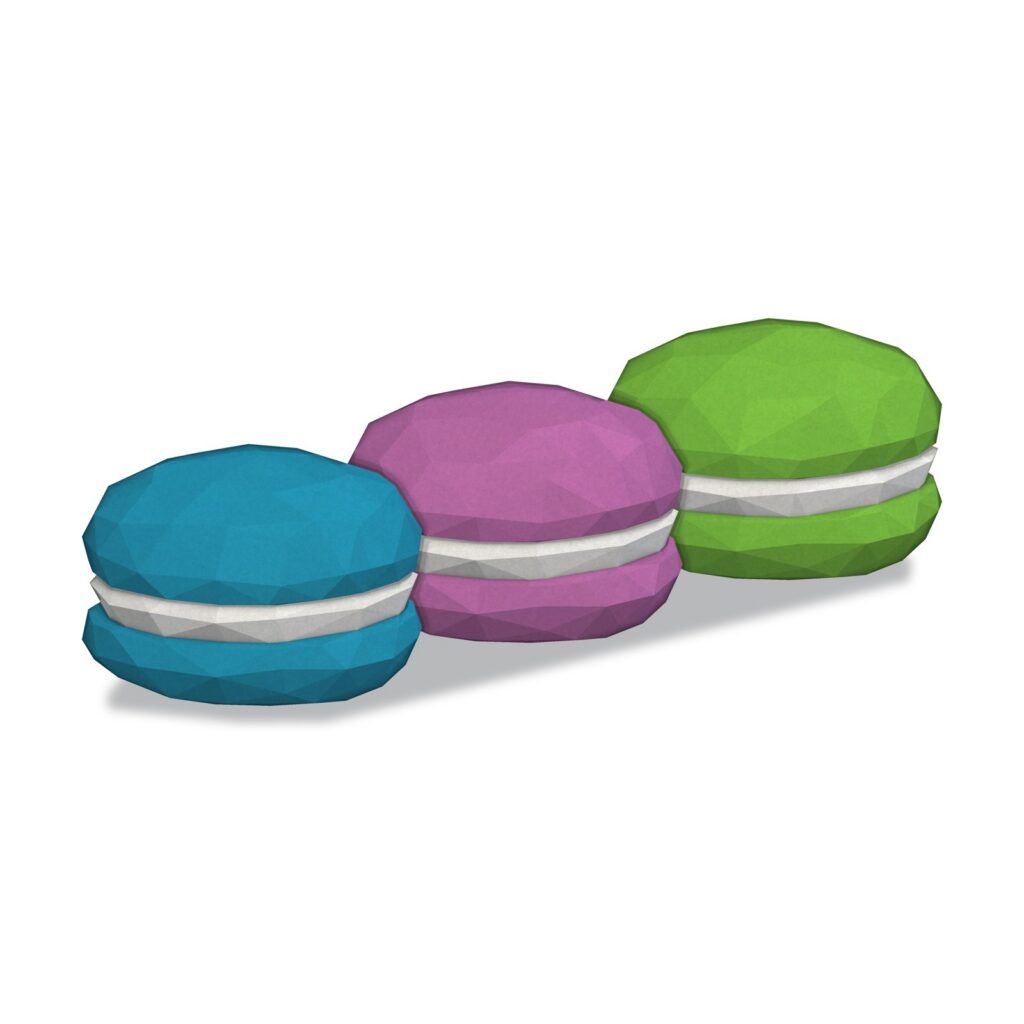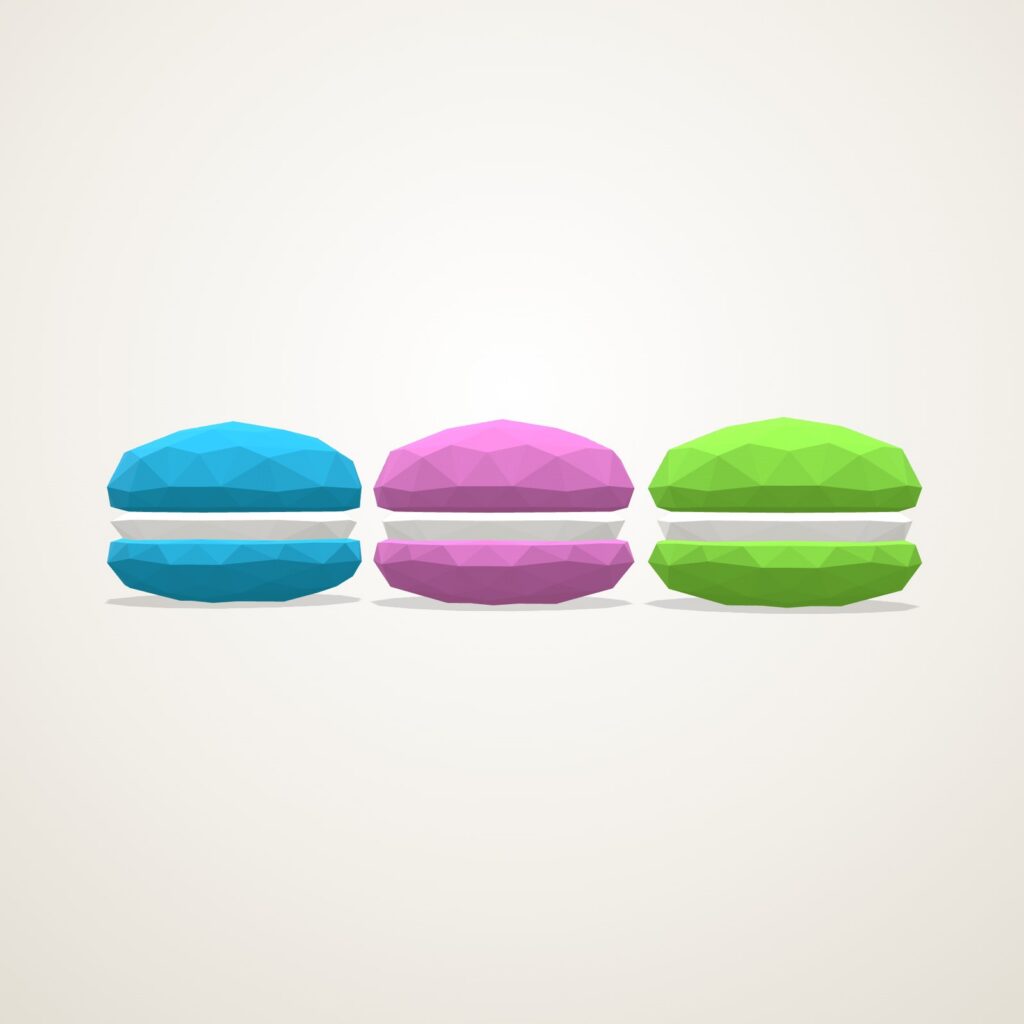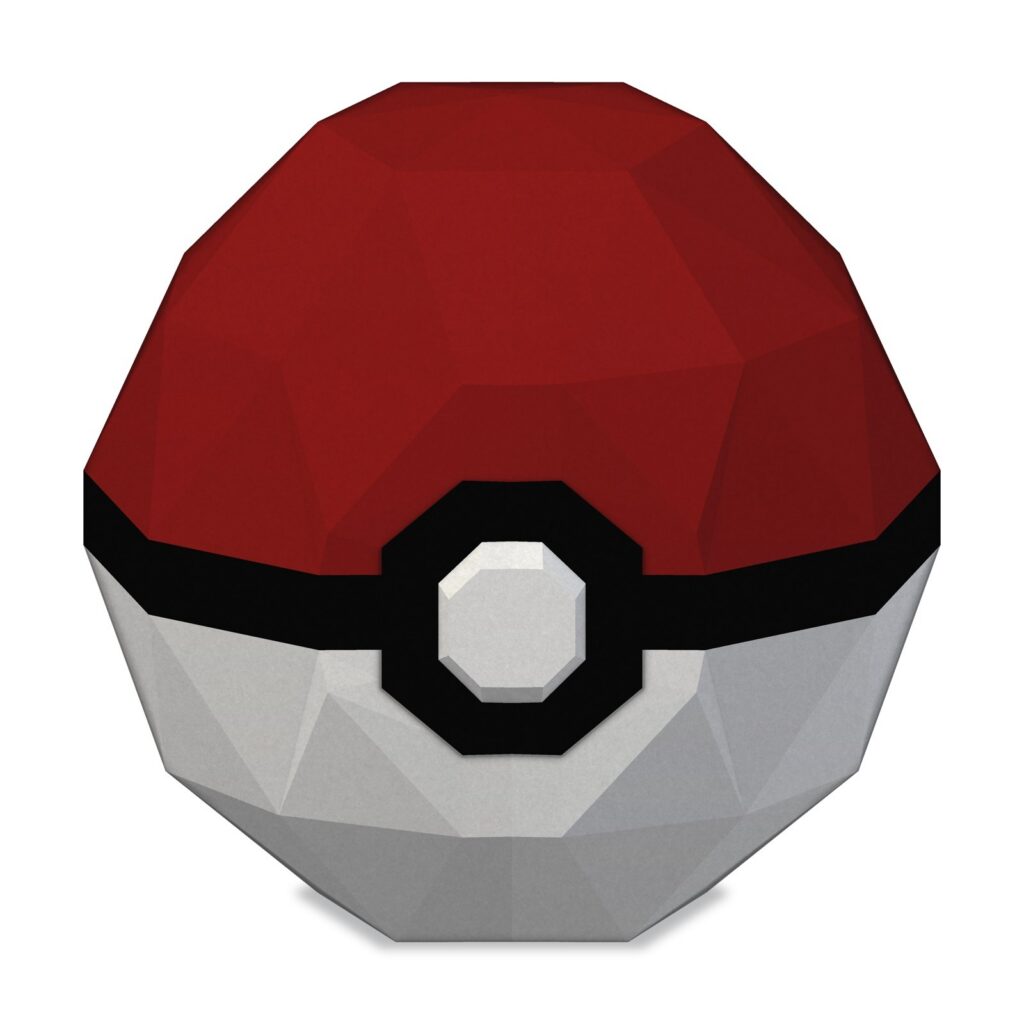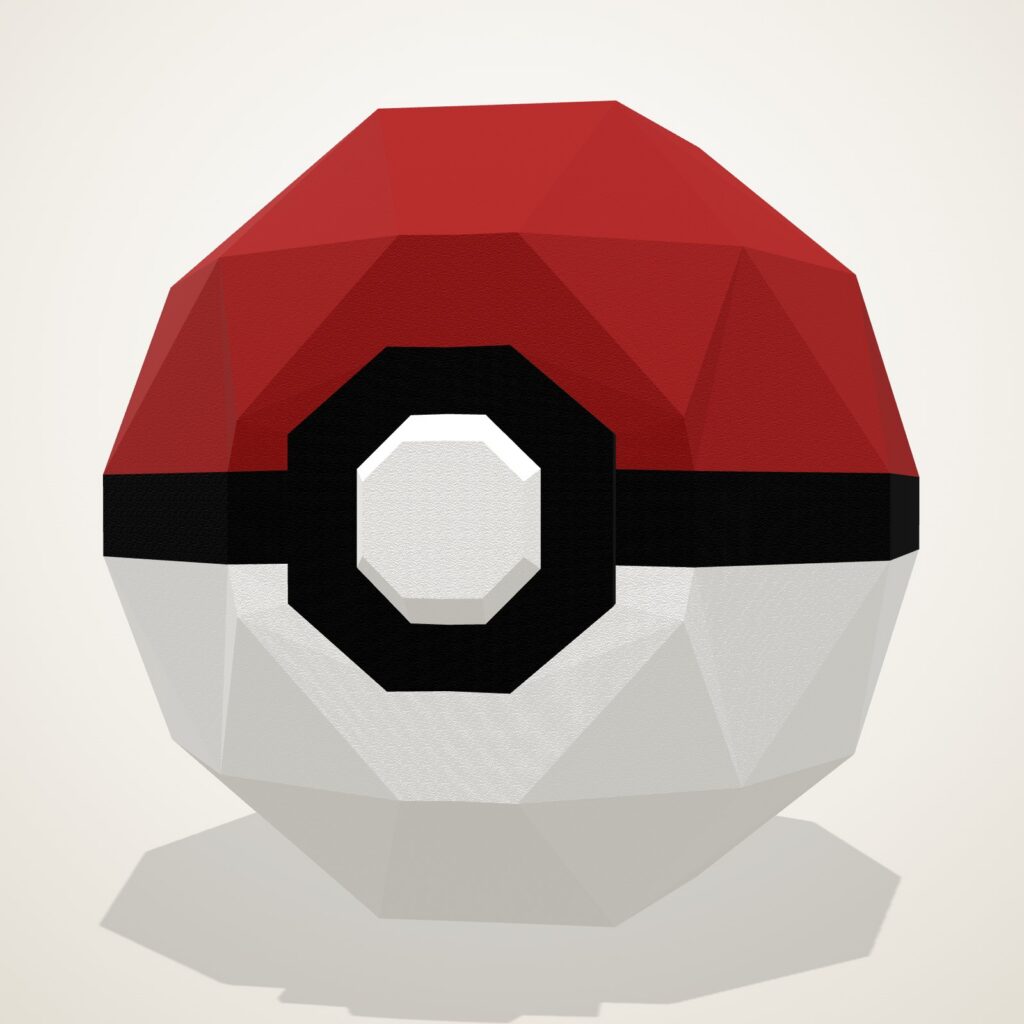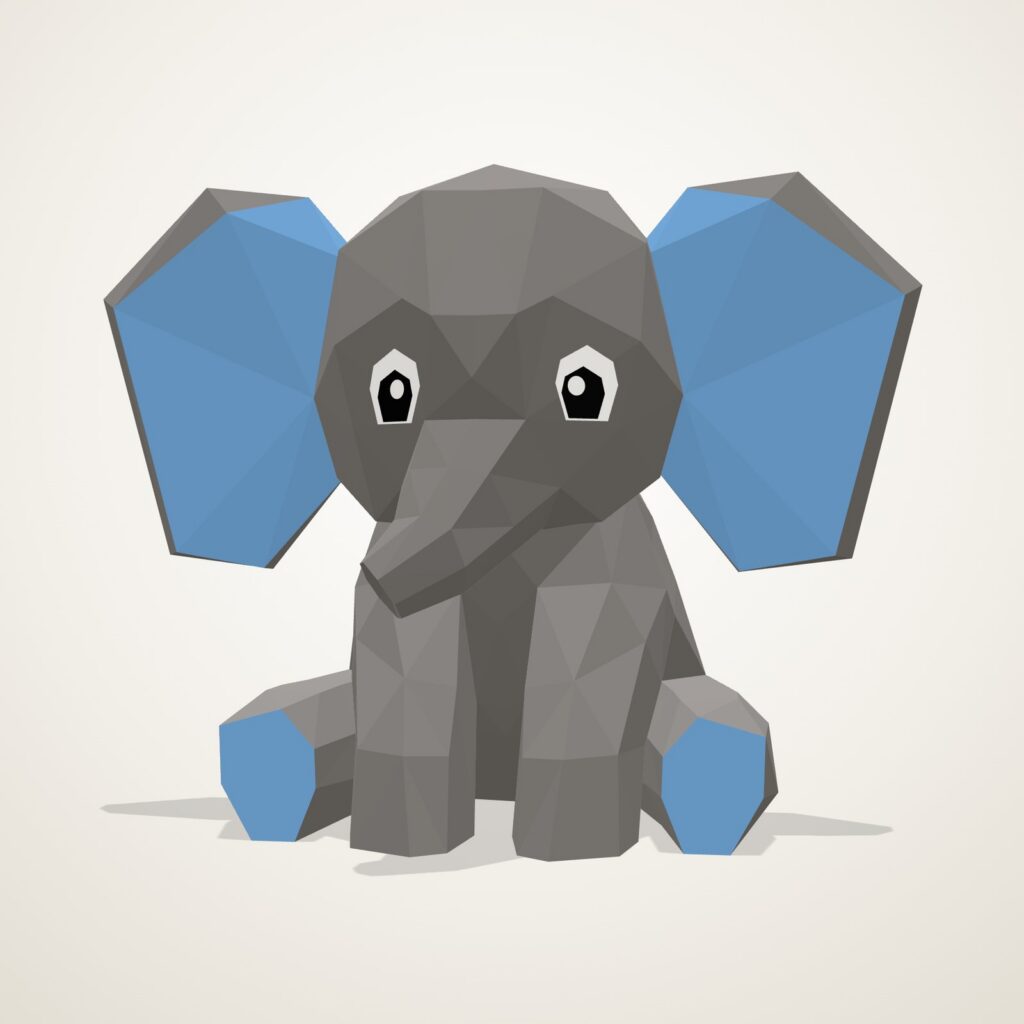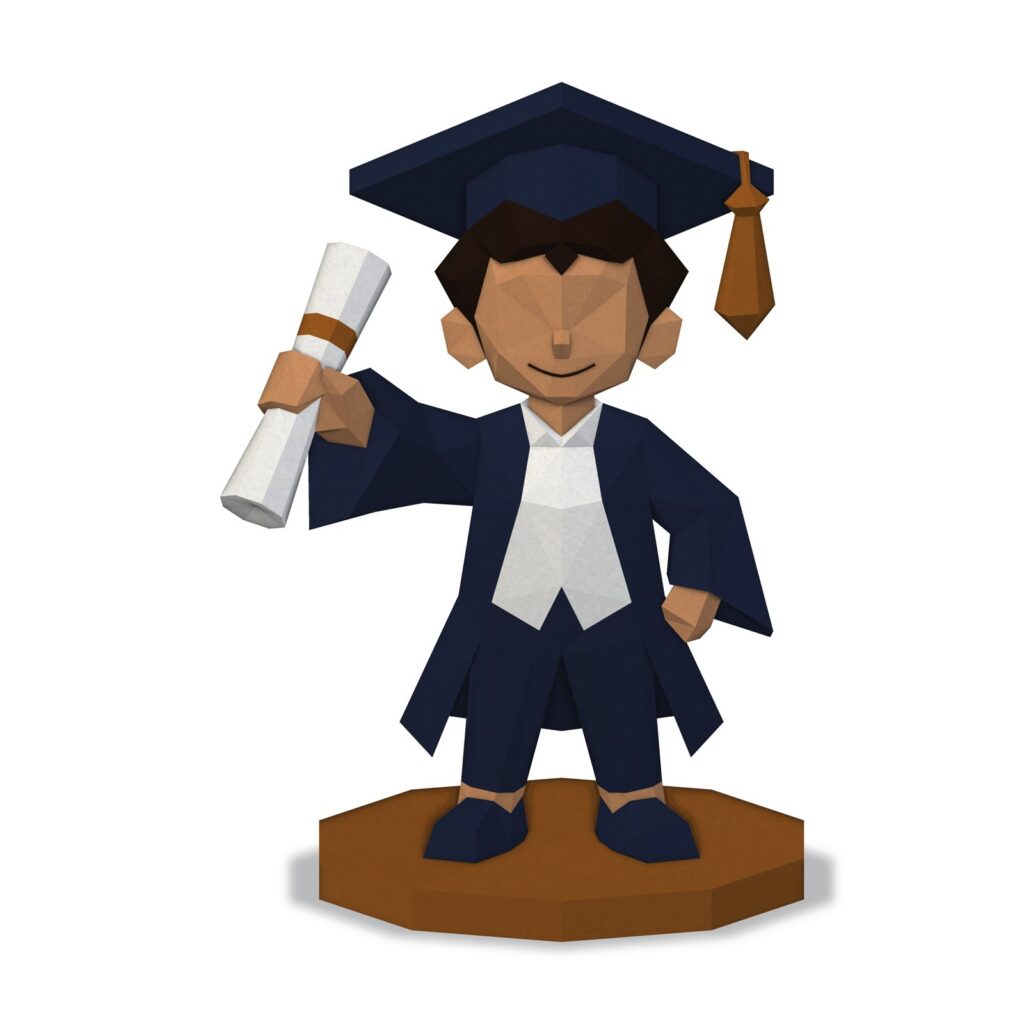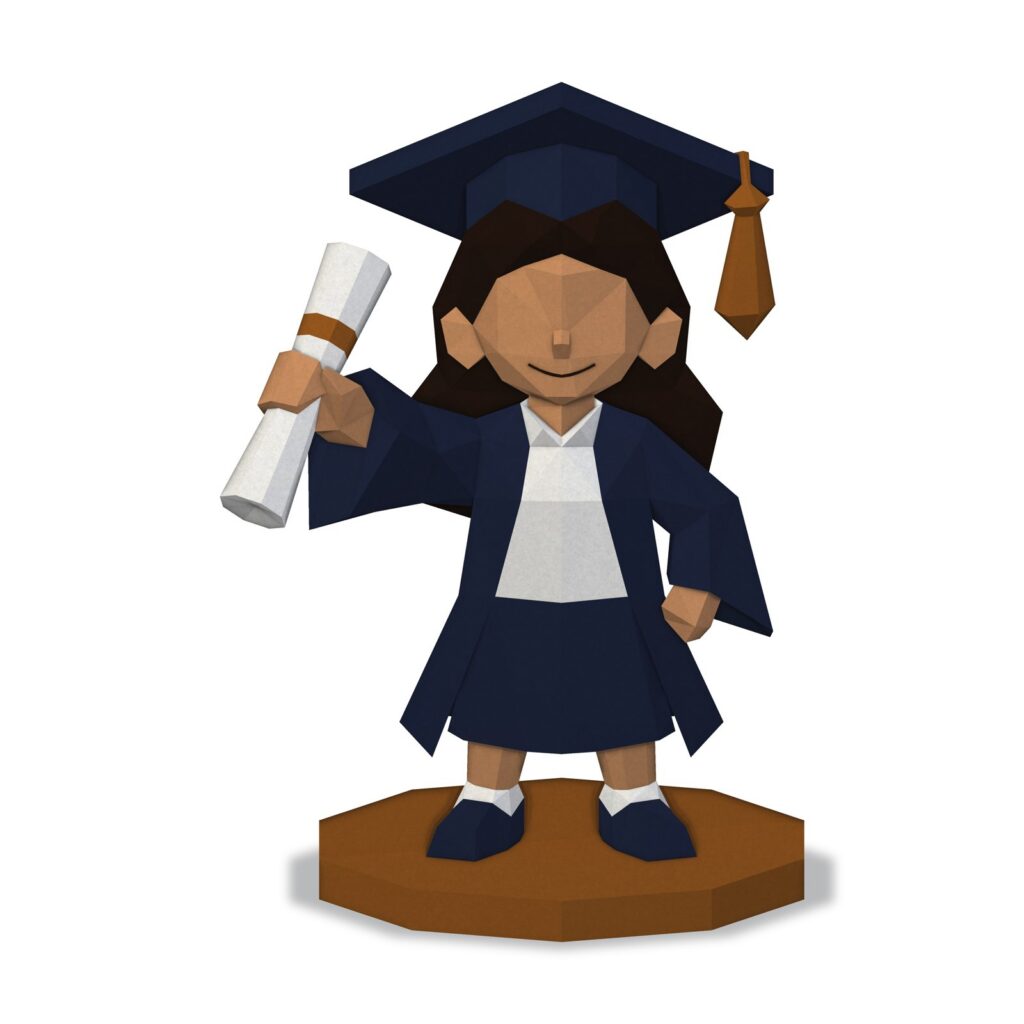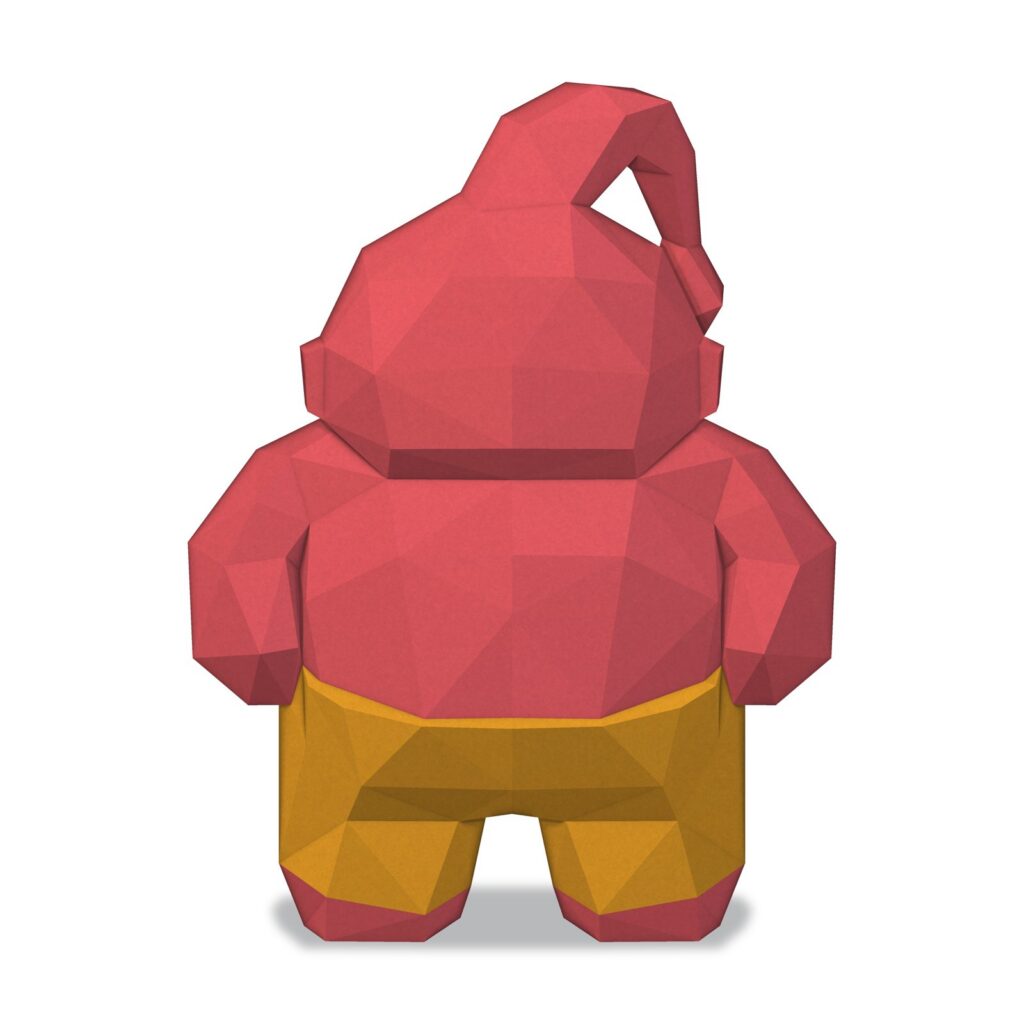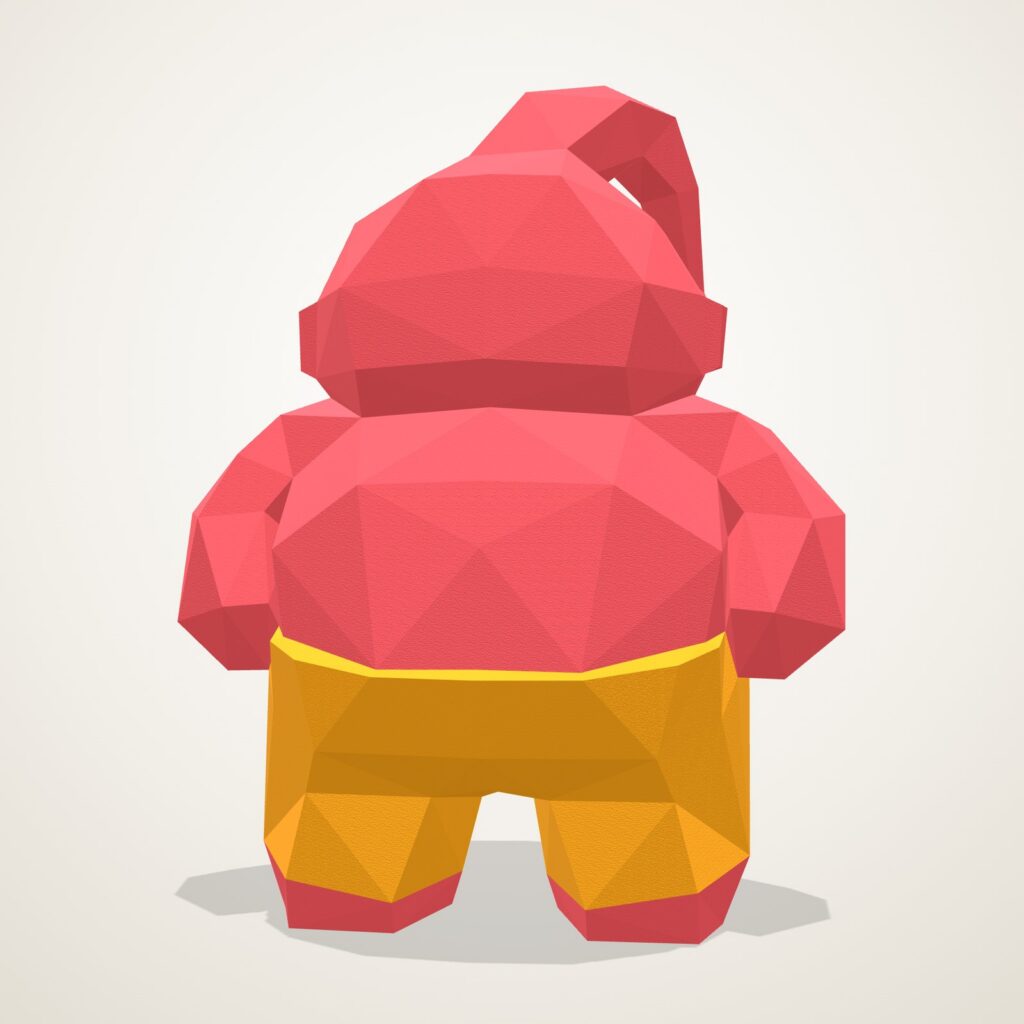
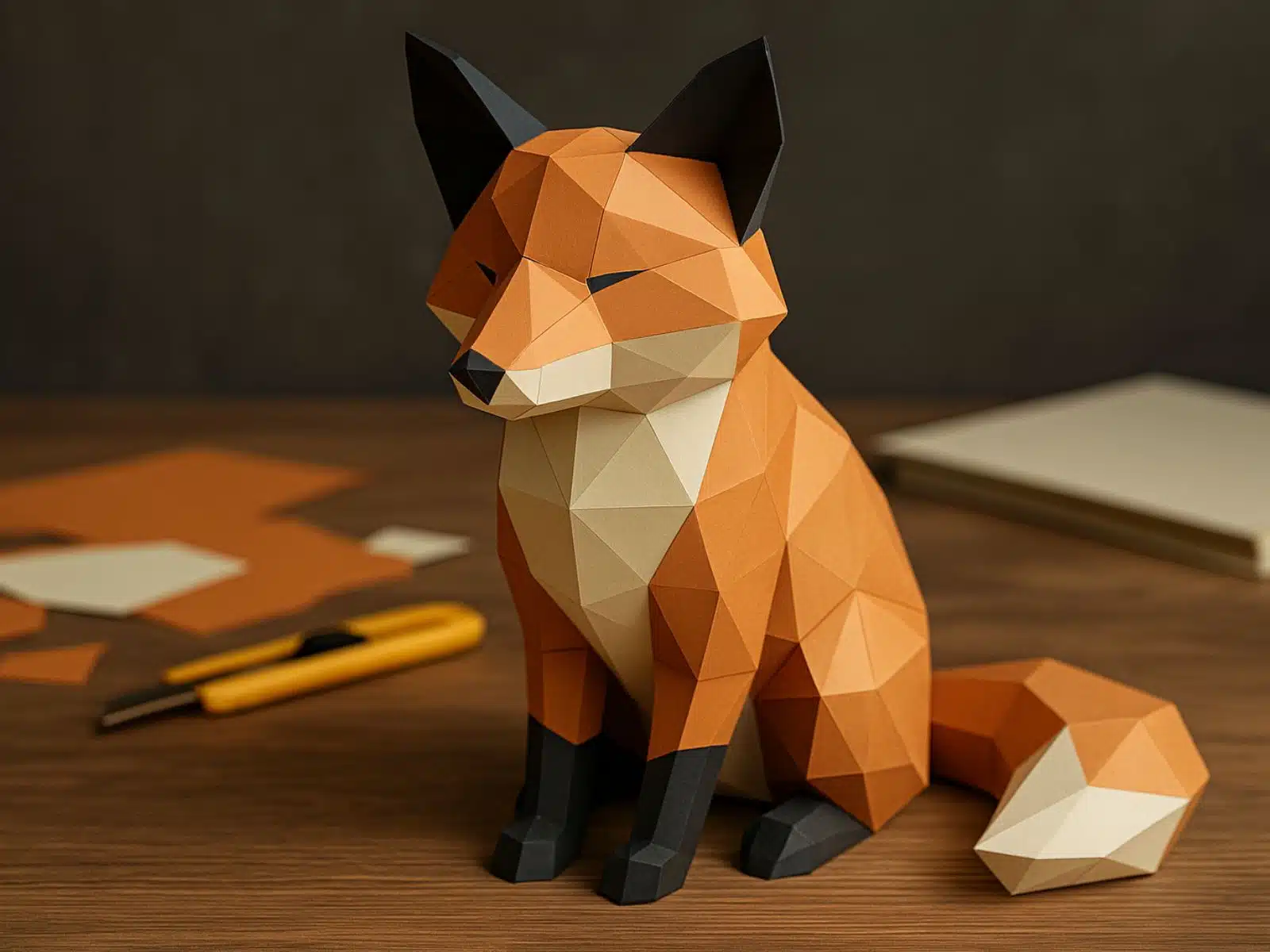
3D papercraft is a fascinating artistic discipline that harnesses the physical properties of paper to bring three-dimensional sculptural objects to life. Combining meticulousness and creativity, this technique makes the most of paper’s characteristics to create stunning geometric shapes. One of the modern approaches to this art is known as Low Poly, defined by the use of a limited number of polygonal faces to design complex forms. Let’s dive together into this world where the virtual meets the tangible, exploring how this technique turns simple sheets of paper into works of art.
What are low poly and papercraft?
The concept of “Low Poly” has its roots in the world of video games, where the technical limitations of the early days pushed creators to express complex shapes with a restricted number of polygons. These lightweight models let processors fully describe a shape through the coordinates of its vertices and their internal relationships, thereby minimising the computational load. In the world of 3D papercraft, this approach takes advantage of flat surfaces and the absence of curves to showcase the strengths of paper.
By definition, papercraft is an artistic method that transforms paper through cutting, folding and assembling in order to produce three-dimensional objects. The marriage of these two concepts - low poly and papercraft - gives rise to works that combine a raw aesthetic with technical innovation. The simplicity of the shapes makes the process accessible and visually striking, encouraging a more intimate interaction with the finished piece.
The aesthetic and practical advantages of low poly models
The visual appeal of low poly models lies in their deliberate simplicity. By focusing on the essentials, these creations keep only the features needed to represent an object in a recognisable way. Pairing these minimalist lines with papercraft not only adds strength through the folds of the paper, but also offers a modern, elegant interpretation of the original object.
Building low poly models nevertheless calls for a precise understanding of the balance between visual design and practical feasibility. Every additional face adds to the build time, requiring another cut, fold and join. Yet, when well optimised, this process ensures that every moment spent building enhances the overall experience.
The importance of thoughtful design in papercraft
In the world of papercraft, designing an object is not limited to its final appearance. The journey that leads to bringing it to life must also be taken into account. A well-thought-out design invites the maker to fully engage in a rewarding experience, far from the frustrations of a complex or confusing build.
This aspect requires designers to invest as much care in developing the assembly plan as in choosing the visual elements. The key lies in reducing the number of faces without sacrificing the object’s expressiveness. For example, if a three-hour piece is being built, it deserves to be enjoyable and a source of pride for its maker.
Designing accessible and rewarding papercraft
A successful design involves:
-
clearly marked tabs, allowing for precise gluing;
-
a colour code or visual marker to guide assembly;
-
an estimate of the assembly time (1, 3, 6 h…) to adjust the complexity;
-
gradual step-by-step explanations, even for beginners.
→ This care guarantees a smooth and rewarding experience, boosting the maker’s confidence.
All our models are designed with this spirit in mind!
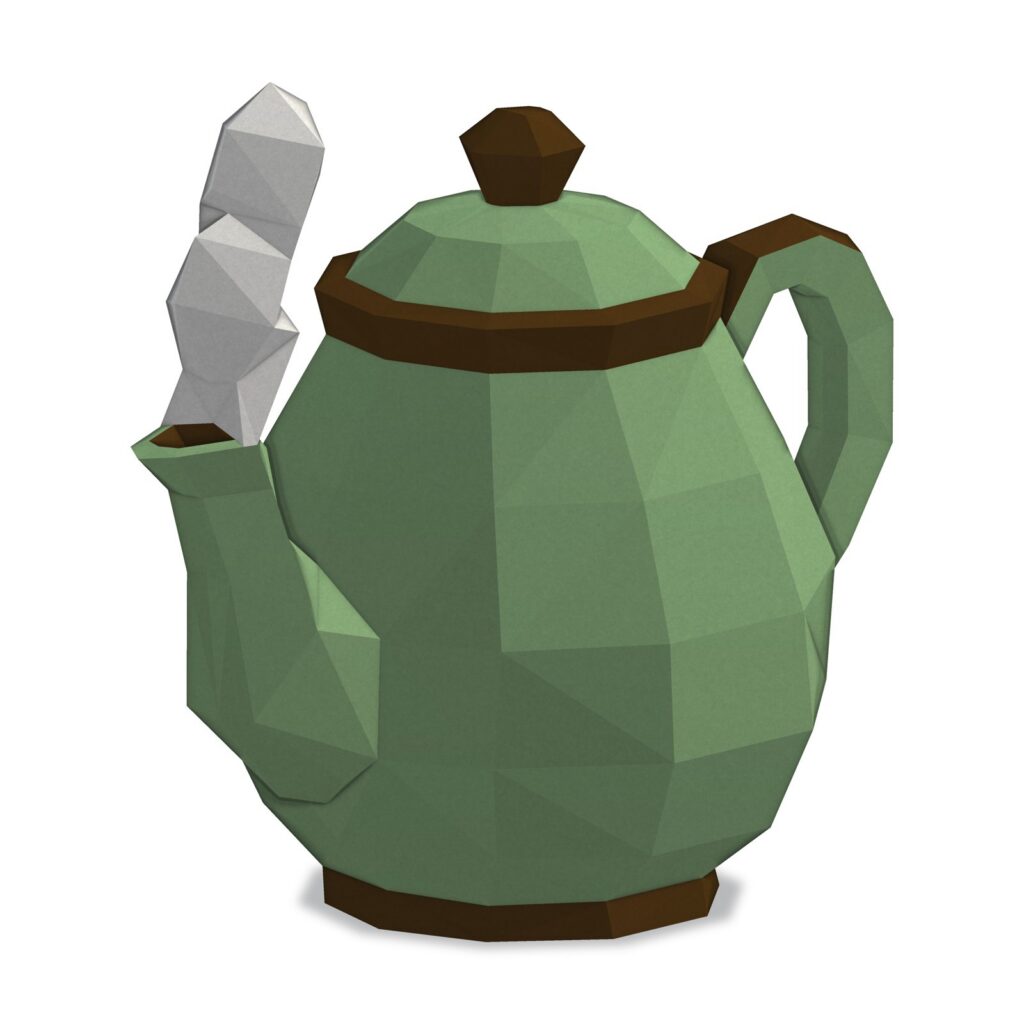
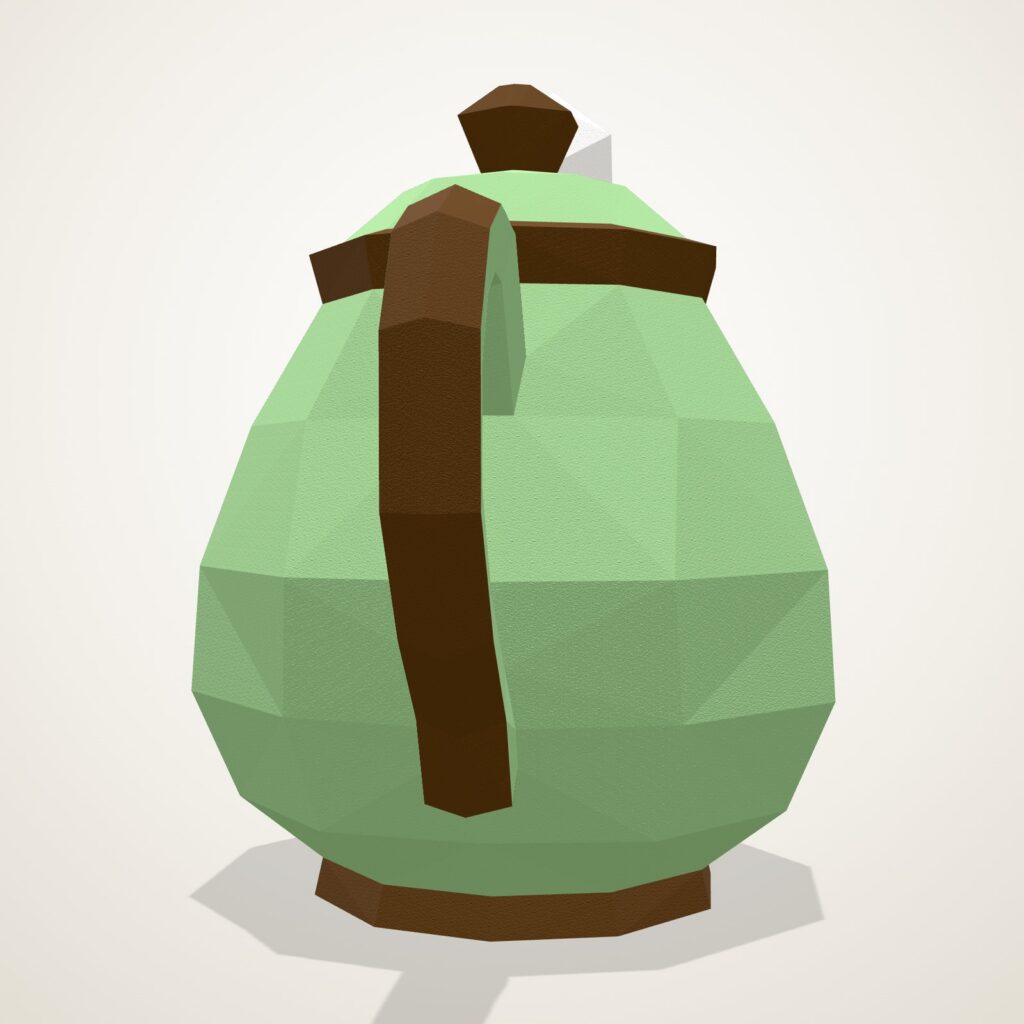

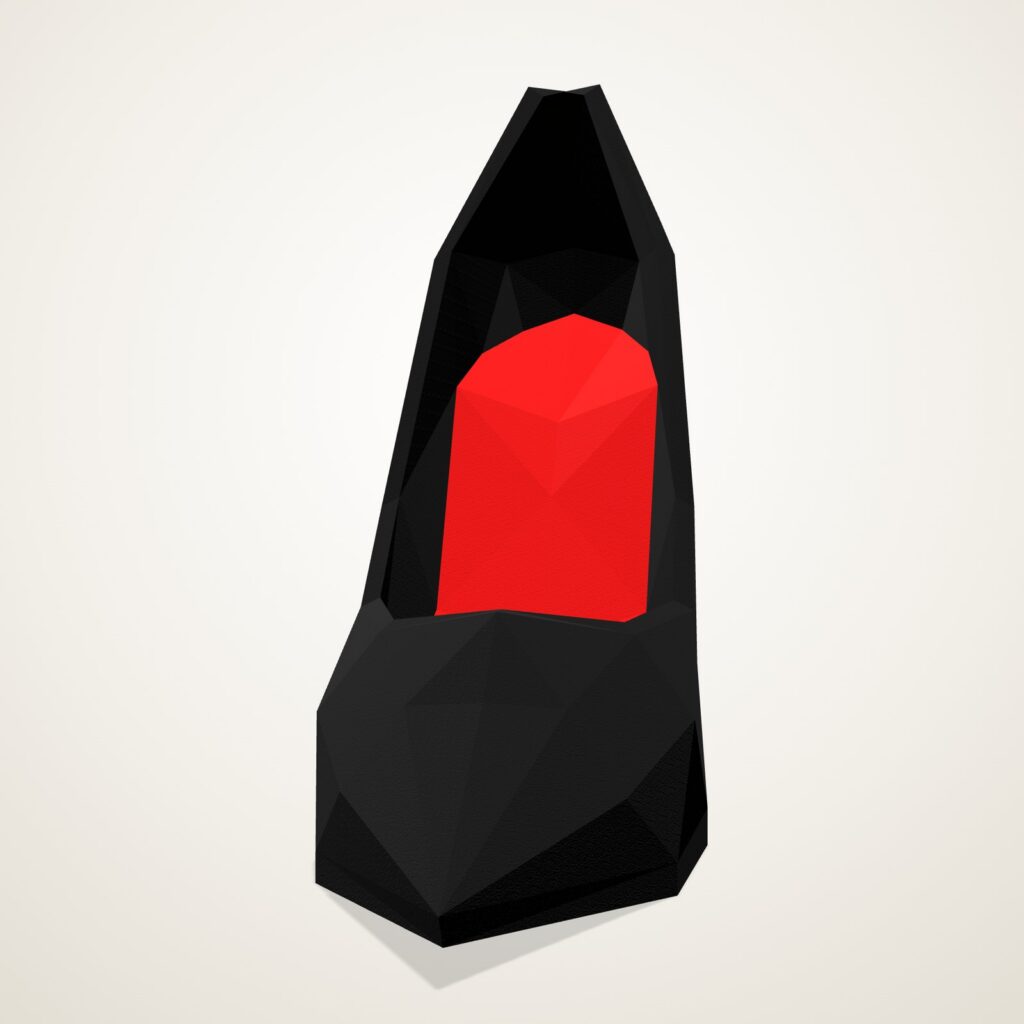
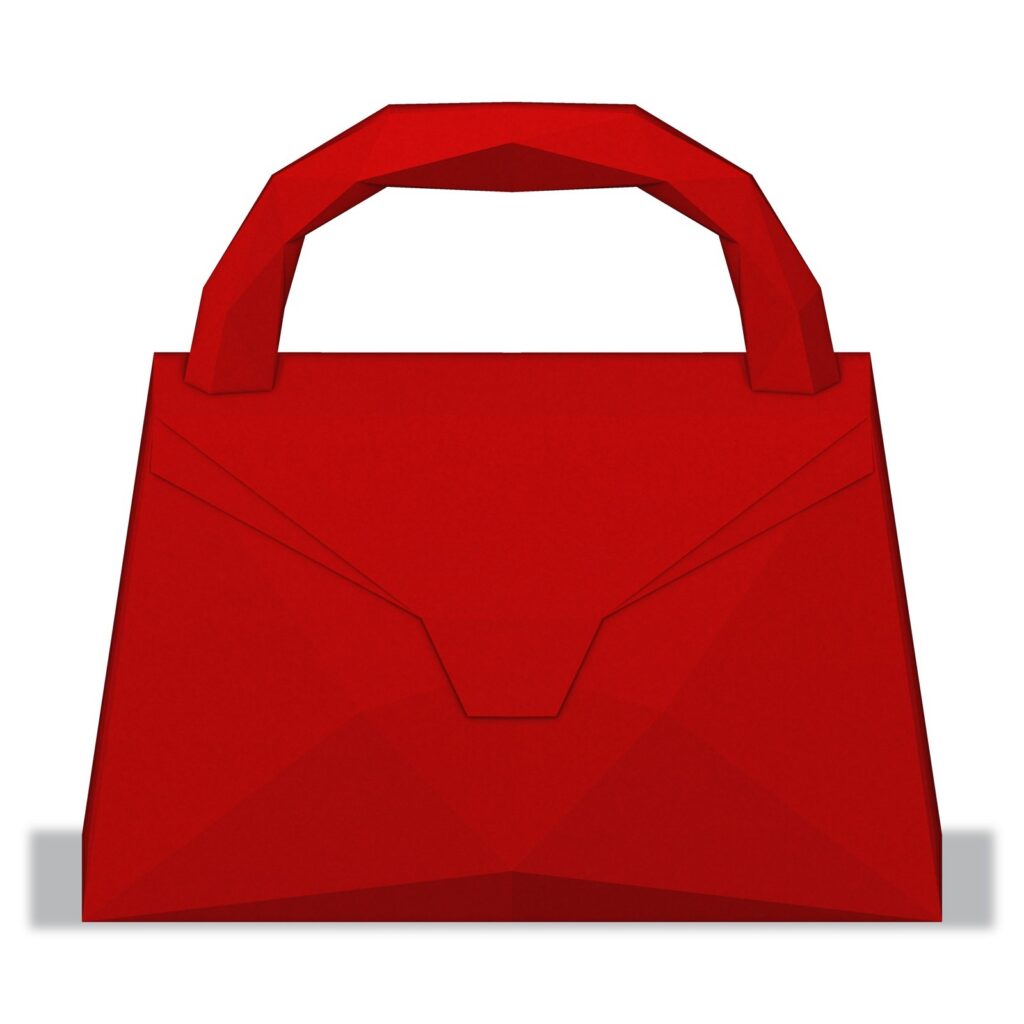
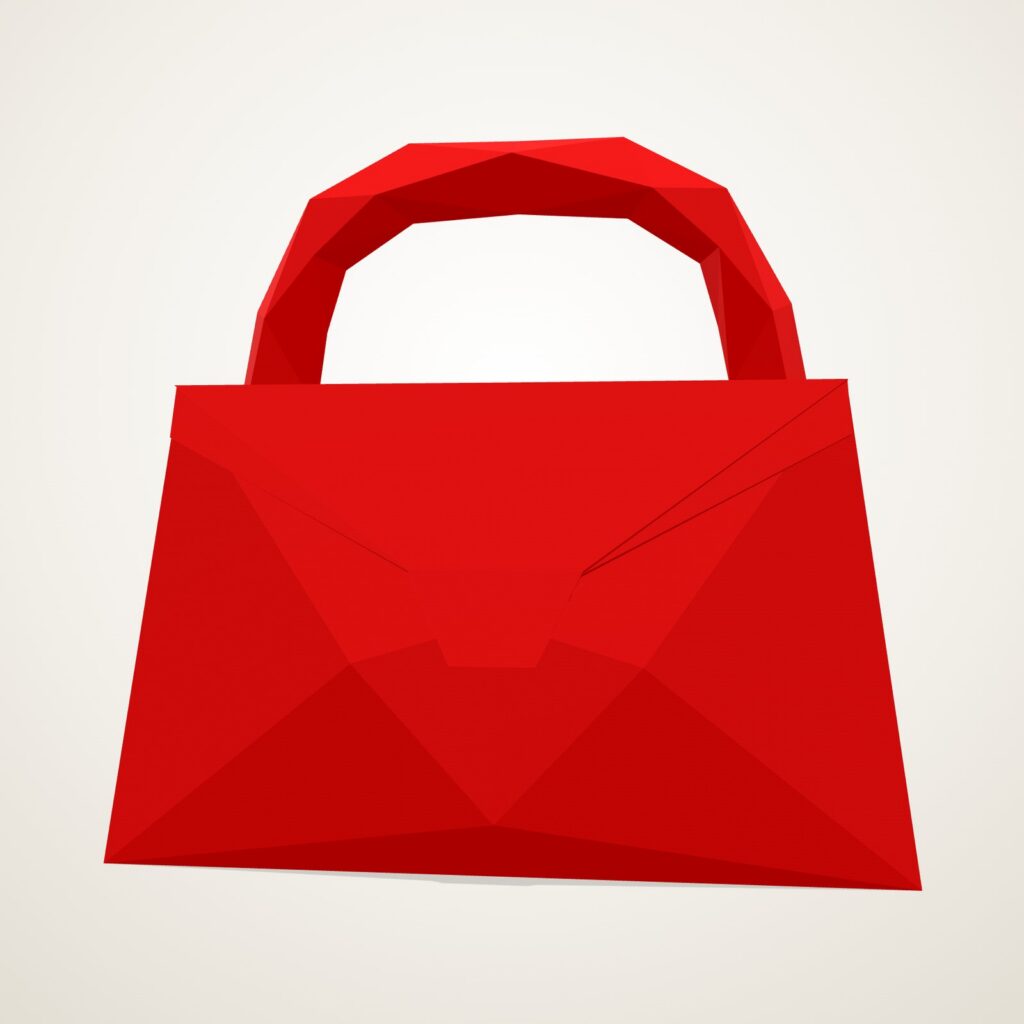
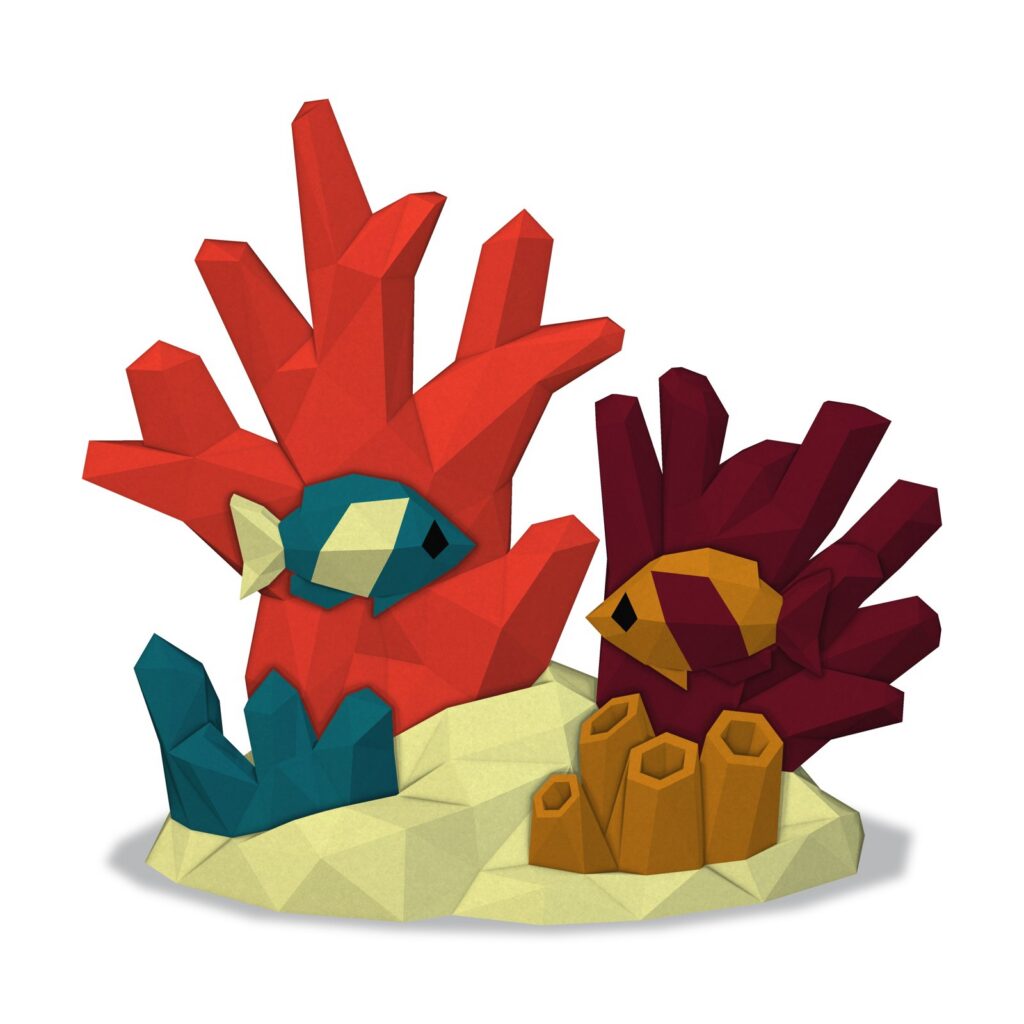
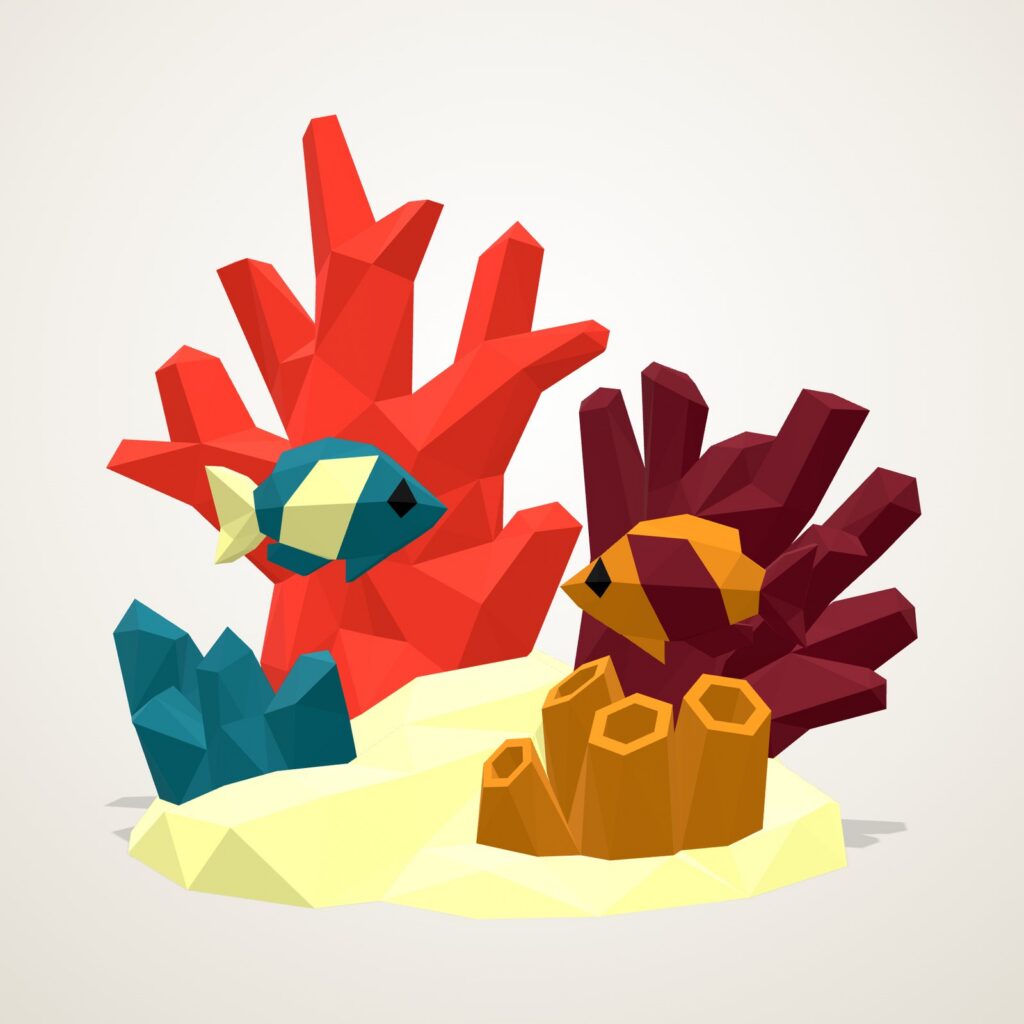
The personal and environmental impact of papercraft
Beyond its intrinsic beauty, papercraft draws those who take part into a process of personal development. Turning raw materials such as paper into tangible objects helps strengthen self-confidence and builds belief in one’s ability to create. It is a quiet affirmation of individual transformative power, heightened by the playful side of the activity.
From an environmental standpoint, focusing on accessibility and ecology remains a major advantage. Since the required materials are inexpensive and often recycled, such as used cardboard, papercraft cuts down on waste while conveying an eco-friendly awareness. This practice invites us to reflect on our consumption and to value handmade creation in everyone.
Broadening horizons through collaborative papercraft
Sharing ideas and skills around papercraft can give rise to a supportive community where everyone finds their place. Fruitful collaborations can emerge from these exchanges, nurturing the diversity of designs and paving the way for new artistic inspiration. Collective projects reflect the idea that many hands can efficiently turn innovative ideas into striking realities.
Some community initiatives perfectly illustrate this commitment. For instance, a collaboration with Greenpeace led to the worldwide installation of 3,000 paper penguin figures, delivering a strong environmental message while celebrating the power of collective work. Such actions show that papercraft is not merely decorative: it has social influence and value.
- Easy to carry out while offering personal satisfaction.
- Encourages the thoughtful use of available resources.
- Provides a sustainable alternative to fast-consumption products.
- Actively takes part in spreading strong social and environmental messages.
The circular economy, an underlying driving force for many paper artists, fosters innovative solutions in harmony with our planet. Nurturing this mindset has a positive impact on everyone involved, helping to establish this discipline as a creative and conscious pillar.
Ready to put this into practice? Browse our free papercraft to print and our downloadable PDF papercraft kit.