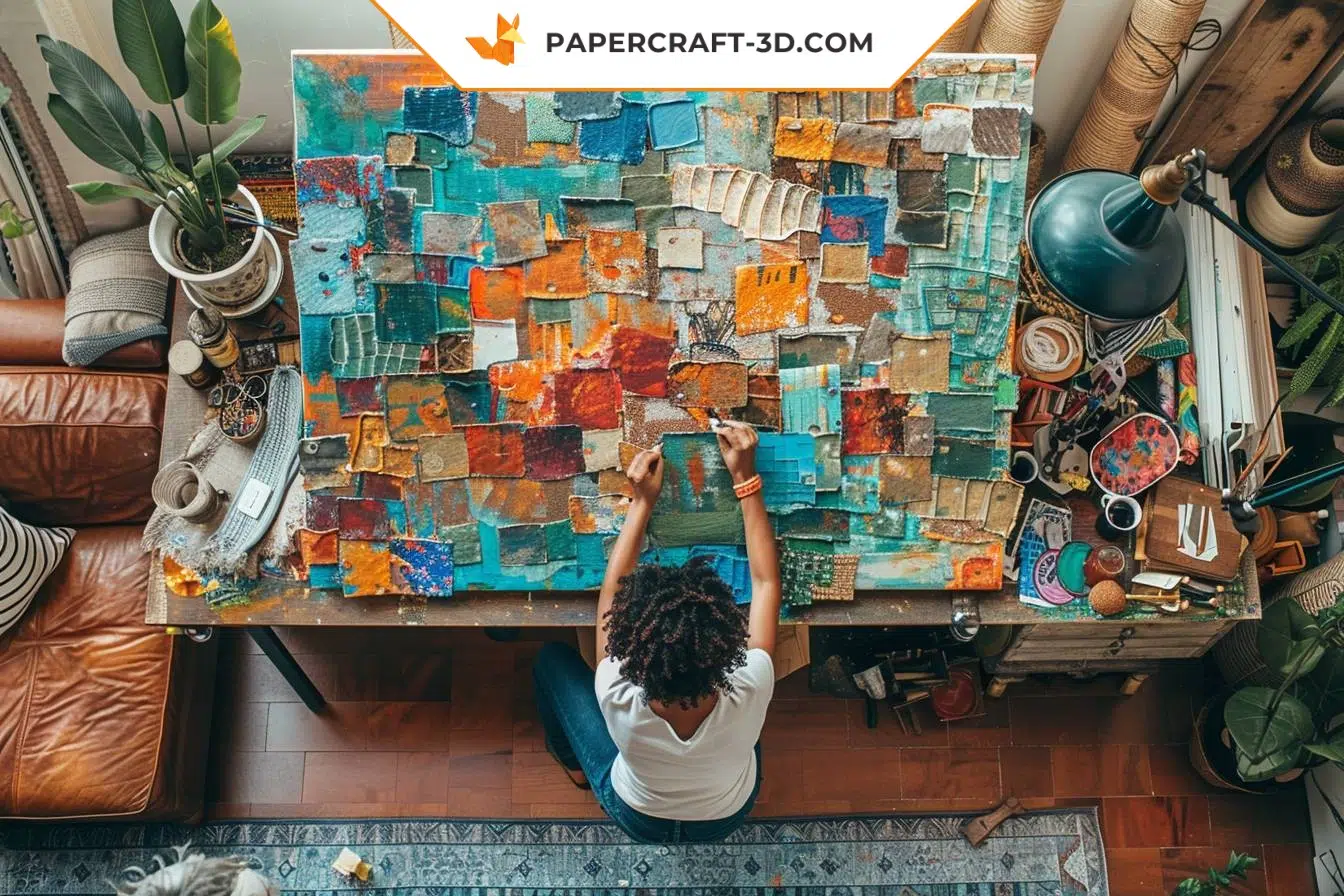
You have an empty wall, a tired chest of drawers and the urge to make something yourself. Good news: 2026 is the year of handmade. Not the discreet kind of handmade that tries to look brand new, but the kind that embraces its irregularities and tool marks. Here are the DIY trends that matter this year, and most importantly, how to put them into practice without spending all your weekends on them.
| Key takeaways |
|---|
| Embraced imperfection has become a selling point, no longer a flaw |
| Vintage textiles, lace and embroidery, are making a strong comeback |
| Upcycling is becoming the starting point for projects |
| Organic textures are replacing bright colors |
| The reading nook is the most requested home project of the year |
DIY Trends for Home Decor in 2026
The underlying shift is clear: after years of smooth finishes and interchangeable furniture, people want to see the hand that made the object. This completely changes the way you approach a DIY project, because the goal is no longer to hide the work, but to show it.
Handmade with pride, imperfections included
Raw edges, visible seams, deliberately uneven clay shapes, fold lines that are not measured to the millimeter: this is what defines a 2026 object. A vase whose neck is not perfectly round is no longer a failure, it is recognizable. That is exactly what an industrial product cannot offer, and it is also the best possible news for beginners: your first project no longer needs to be perfect to belong in the living room.
Vintage textiles brought up to date
Lace, broderie anglaise, thrifted doilies: the textiles we thought had been banished to the attic are back, and Pinterest has placed them among the biggest decor trends of the year. The way they are used has changed: you no longer cover an entire table, you select details. A doily becomes a lampshade, a lace collar becomes a cushion, an embroidered tablecloth is cut into covers.
Upcycling becomes the starting point
Sanded pallet wood, carpentry offcuts, natural fibers, thrifted furniture taken apart for its parts: the project no longer begins with buying supplies, but with taking inventory of what you already have. Finishes follow the same logic, with low impact oils and waxes rather than thick varnishes.
Why DIY Is Taking Over in 2026
DIY has stopped being a fallback solution and has become an aesthetic choice in its own right. Four reasons explain this shift.
An interior no one else owns
This is the main argument. An object made in your home, with your colors and your dimensions, exists as a one of a kind piece. In a year when everyone is trying to move away from catalog interiors, this is what immediately sets a home apart.
A controlled budget
A paper pendant light costs the price of a few thick sheets, compared with several dozen euros in a store. You decide where to spend the money: on one strong purchased piece, and on handmade items for everything else.
A concrete response to overproduction
Repairing, repurposing, extending the life of a piece of furniture rather than replacing it: the approach is consistent with the dominant trend of the year, which values what is already there. It is not only ecological, it has also become something to be proud of.
The pleasure of making
A manual activity, without a screen, with a visible result at the end of the session: the benefit is real, and it explains why DIY is growing among people who had never held a paintbrush before.
How to Bring These DIY Trends Into Your Home
Start with white and add only two accents
The Pantone Color Institute named Cloud Dancer, a matte white, as the color of the year for 2026. Use it as a background, then limit yourself to two accents: a deep blue green and an earthy shade, terracotta or ocher. Two, not five. This restraint is what separates a curated interior from an accumulation of projects.
Organic textures rather than bright colors
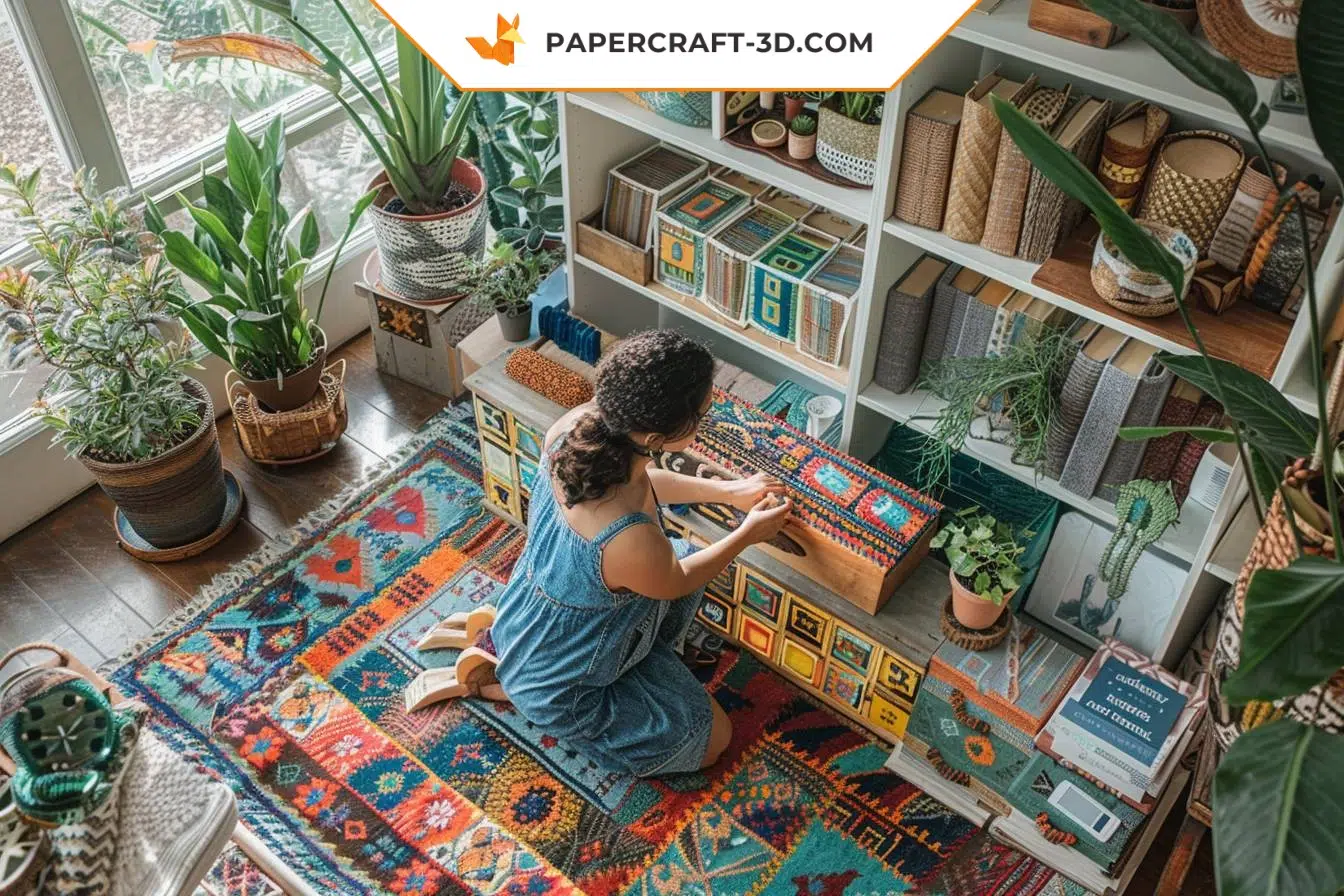
Here is where you need to go against the advice from previous seasons: in 2026, materials carry the visual interest, not saturated colors. Washed linen, thick paper, clay, raw wood, rattan. A room in shades of white with four different textures feels more current today than a room with four colors.
The reading nook, the project of the year
It is the most requested home project of 2026, and it lends itself perfectly to DIY: a custom built shelf, a lampshade remade with a thrifted textile, a reupholstered armchair, a throw blanket. Each element is a short project, and together they transform an unused corner.
Modern cottage without slipping into pastiche
Country style is returning in a more understated version: natural materials and antique objects, but contemporary lines. The rule that avoids the postcard look is simple: just one openly rustic element per room, with everything else in current shapes.
Bring Your DIY Projects to Life with Papercraft-3D
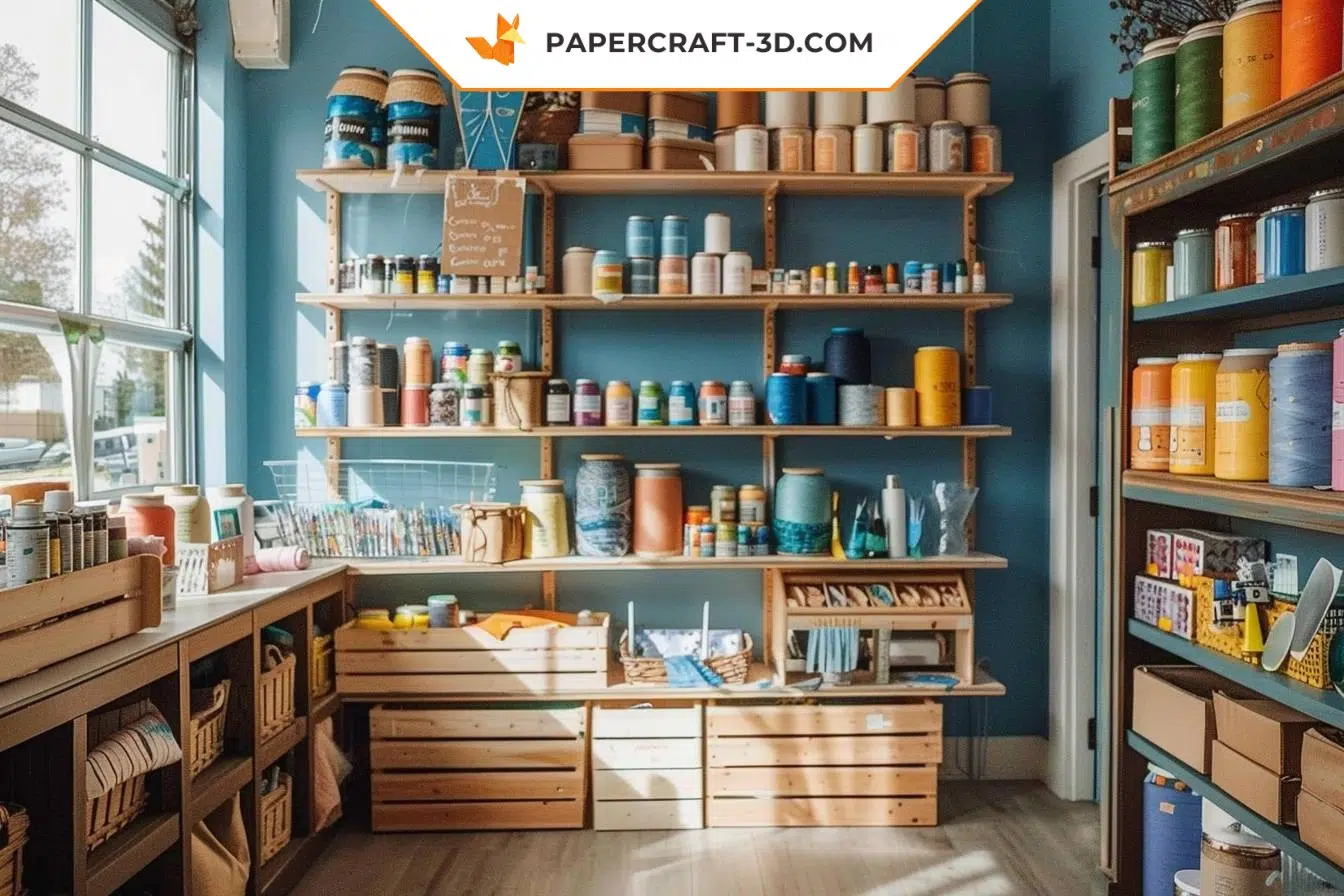
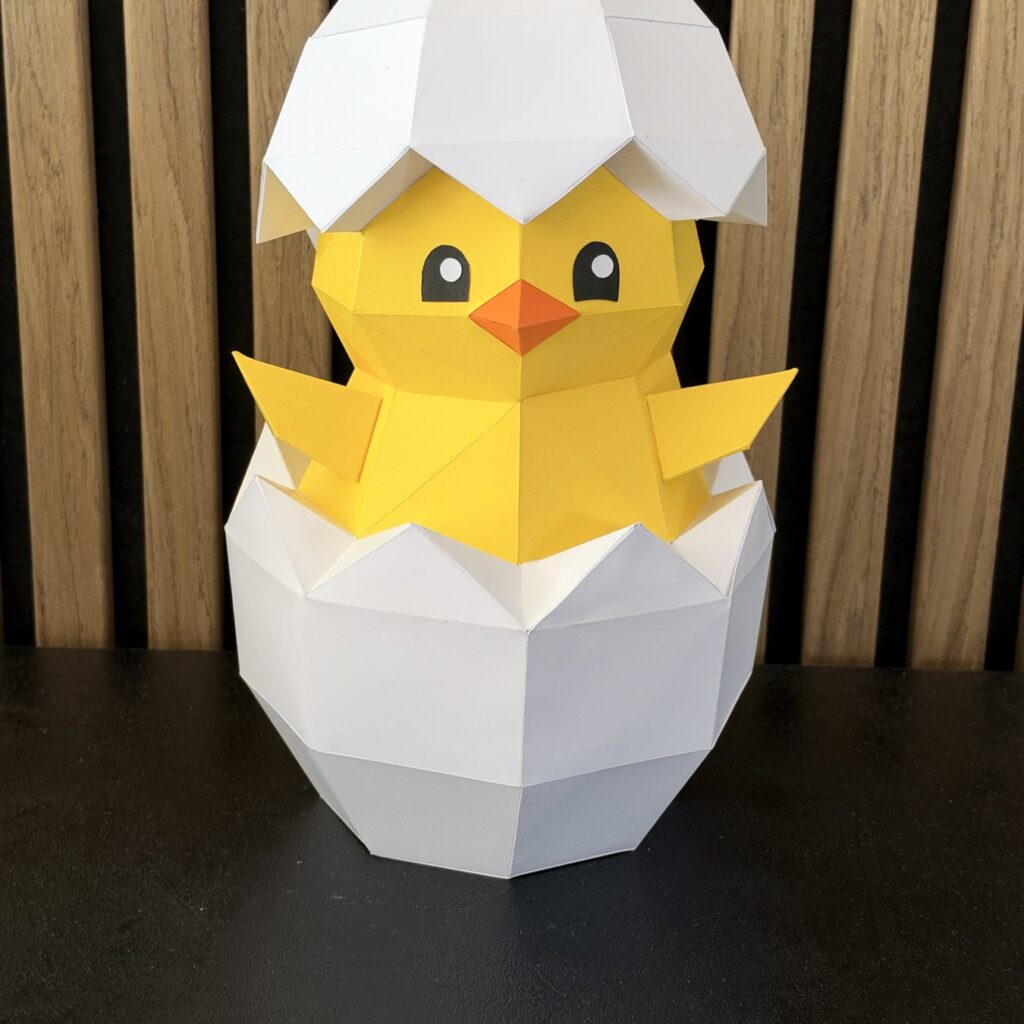
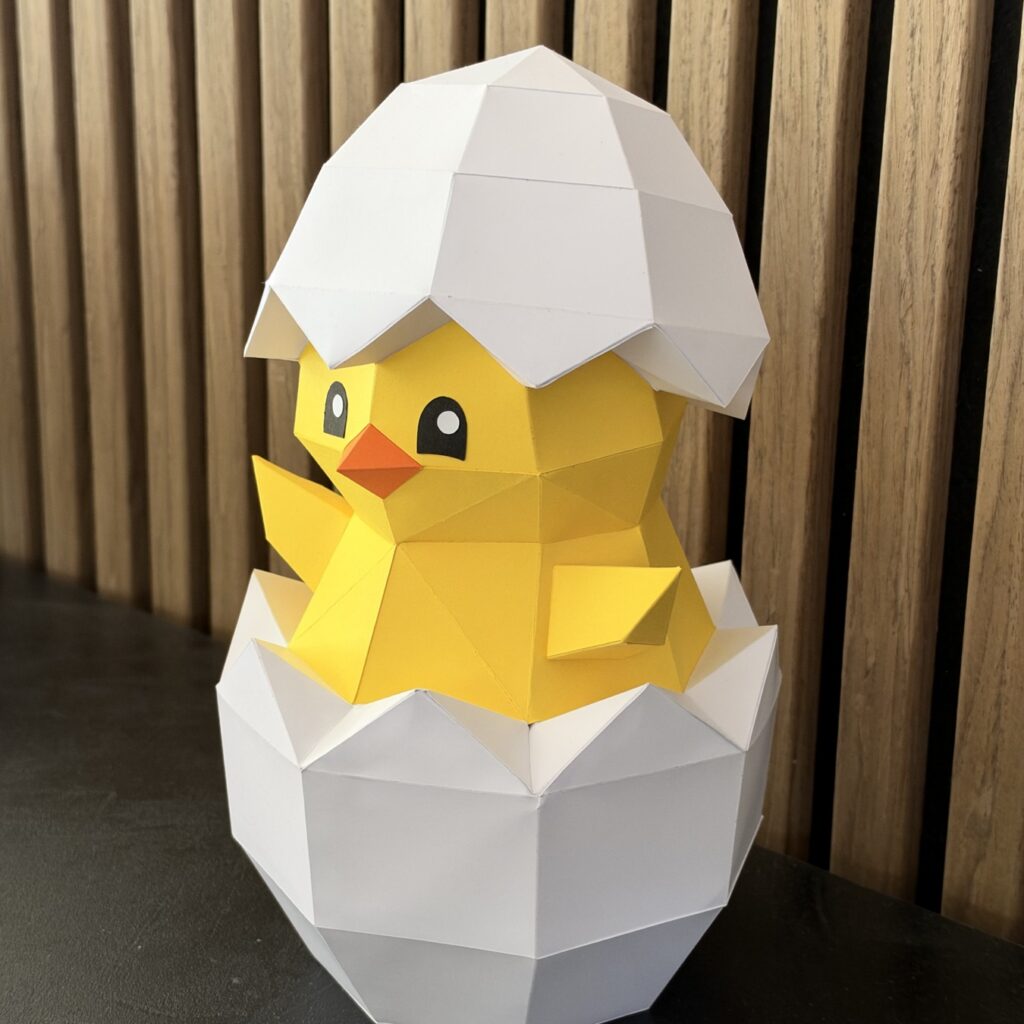
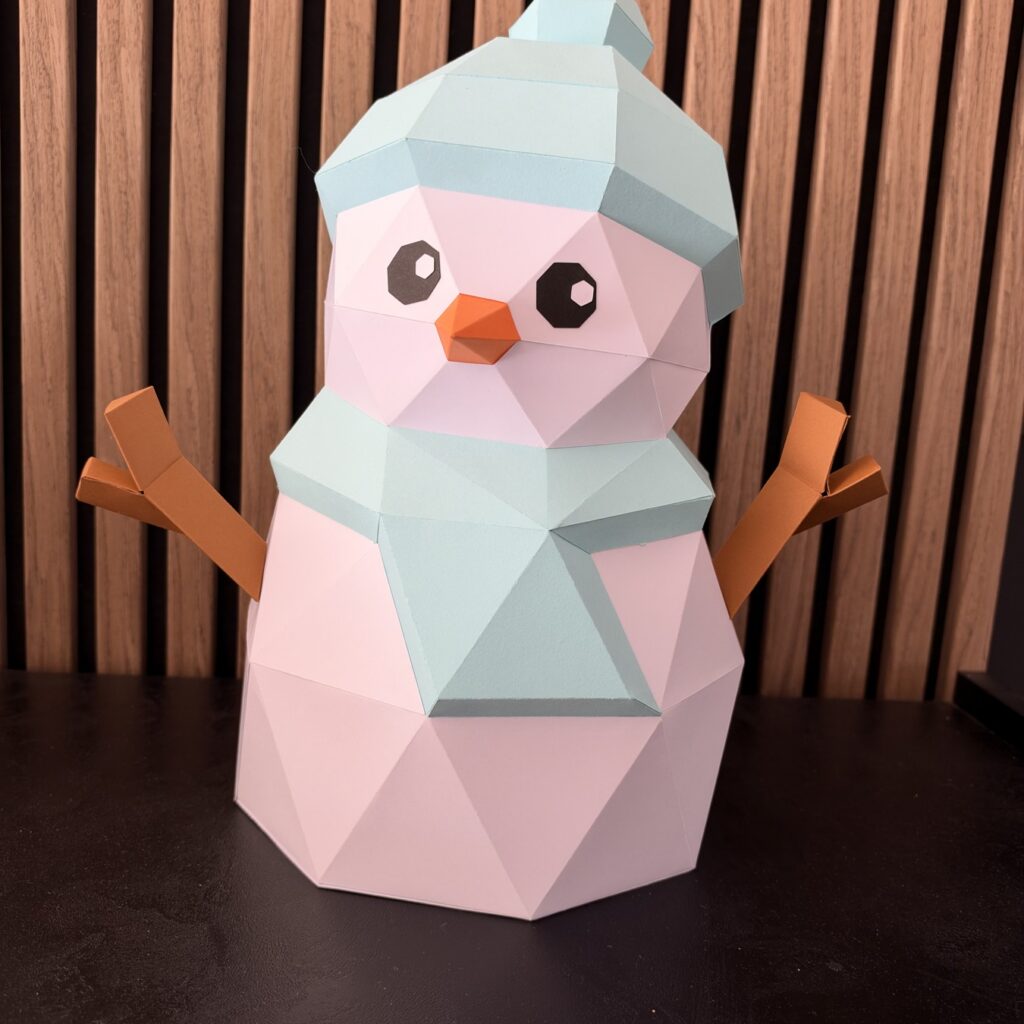
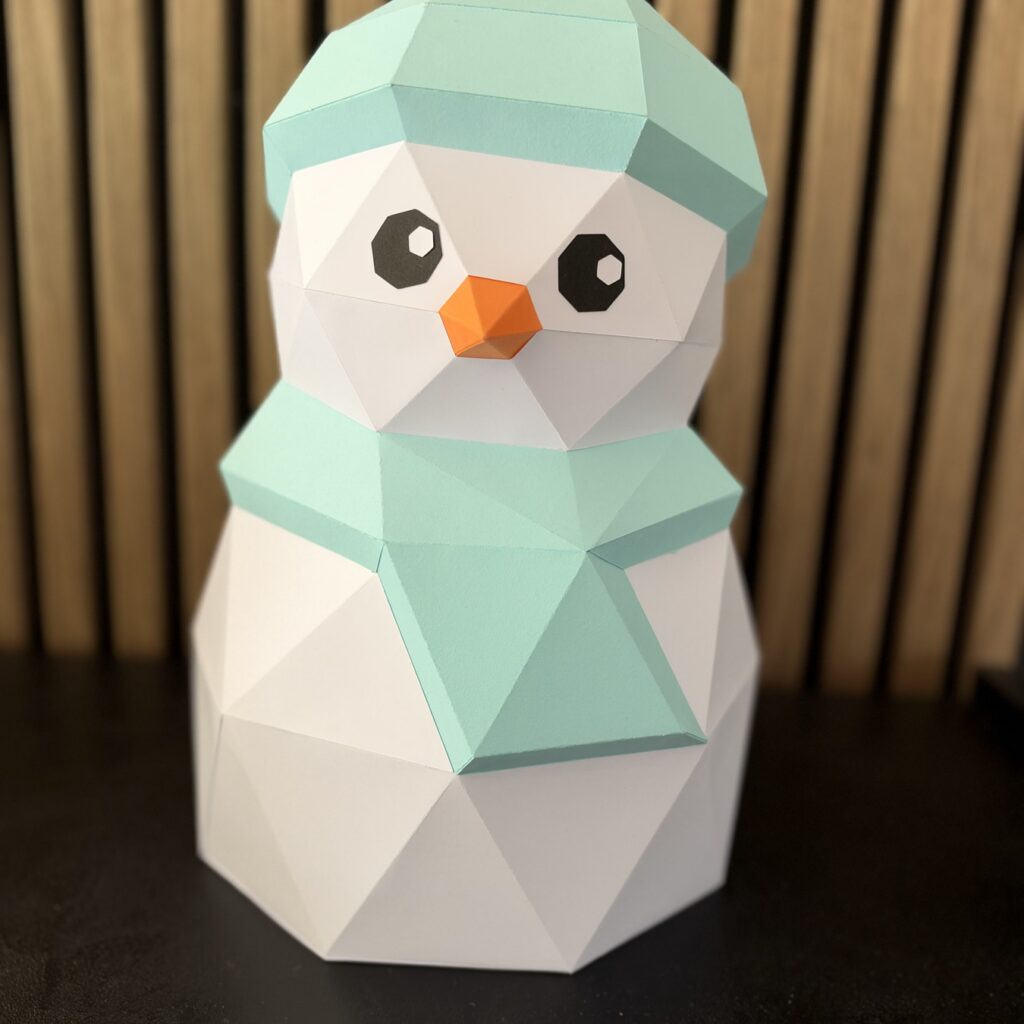
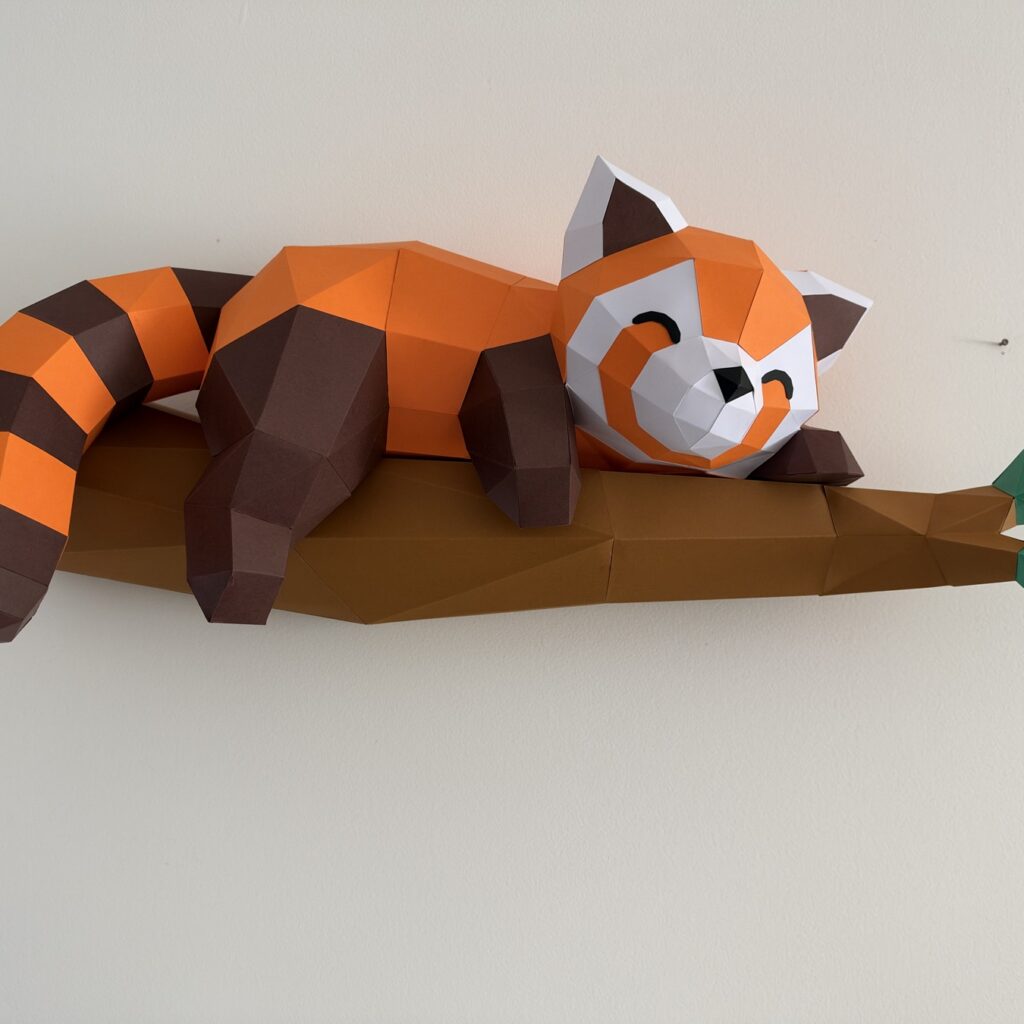
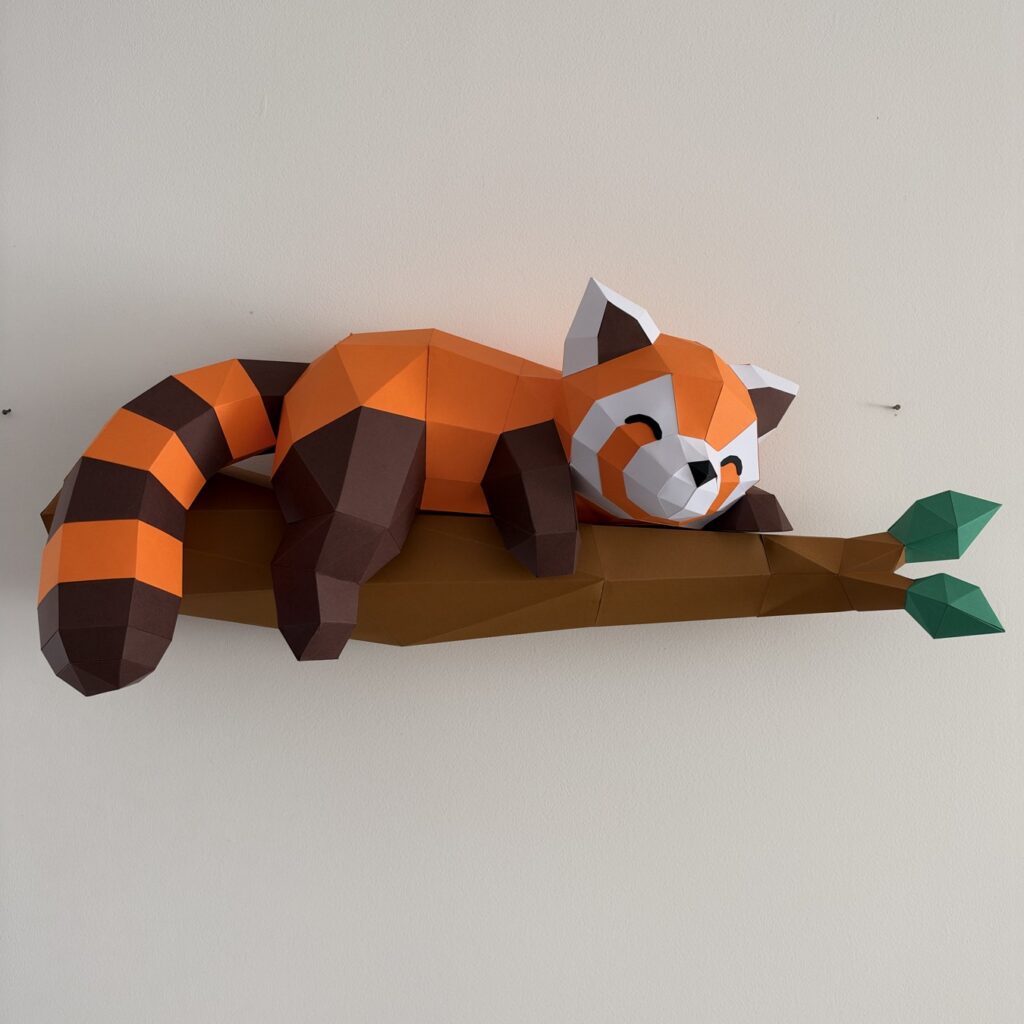
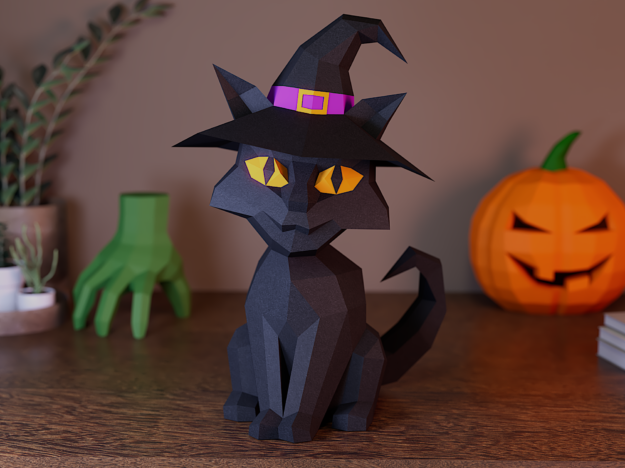
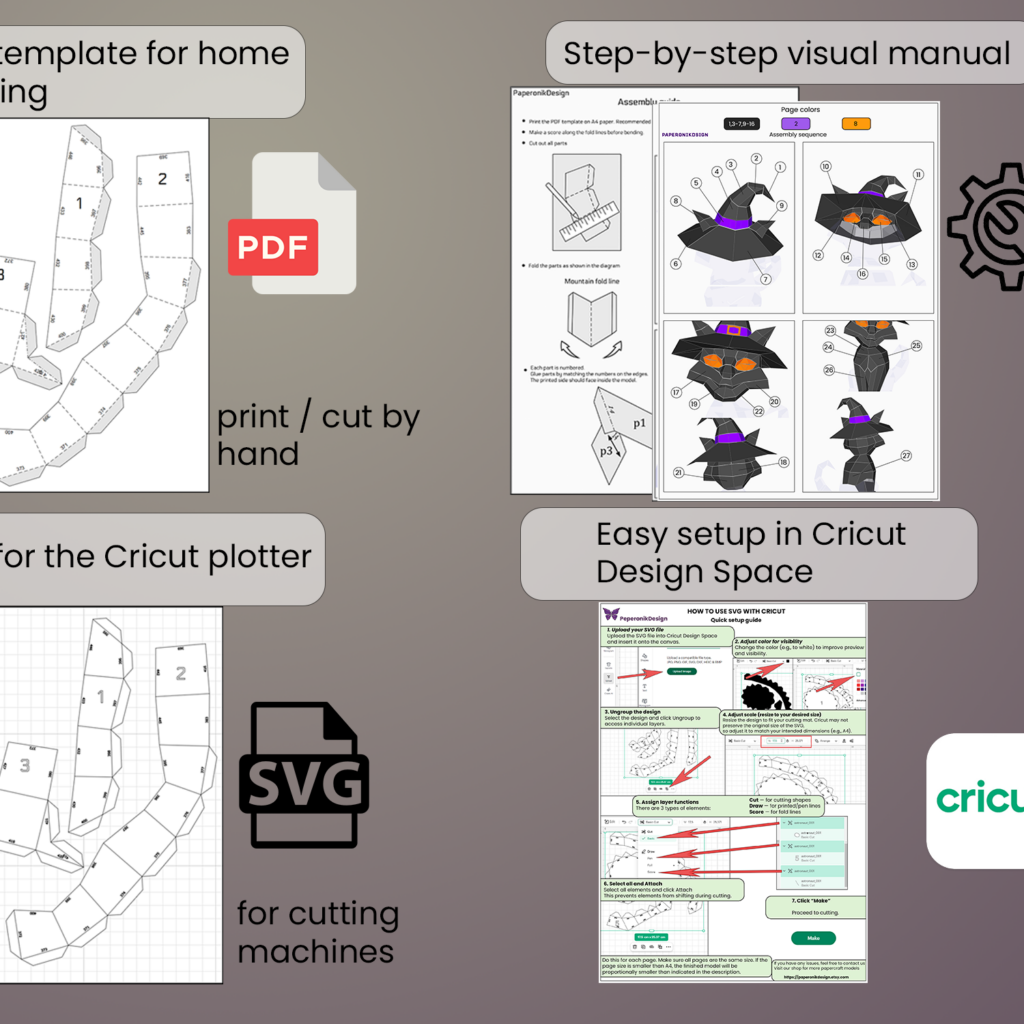
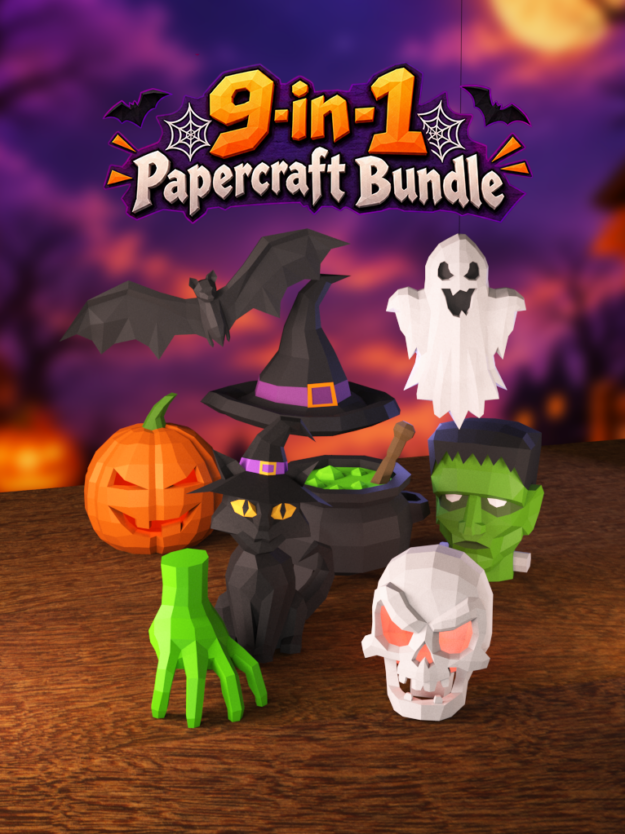
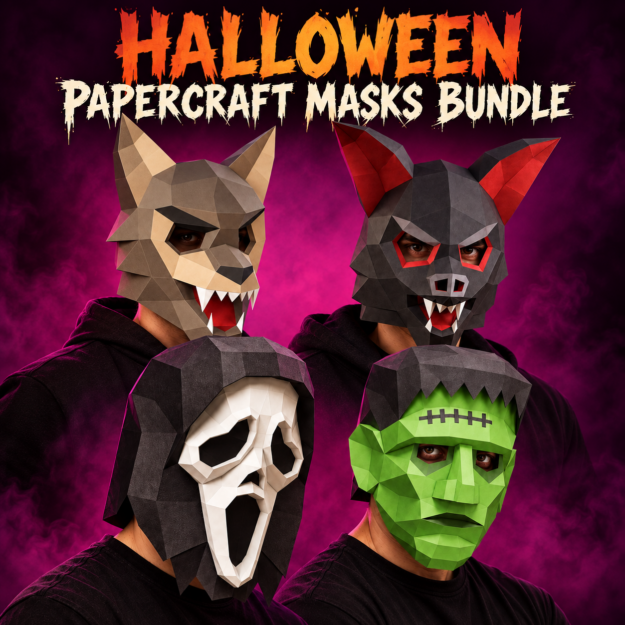
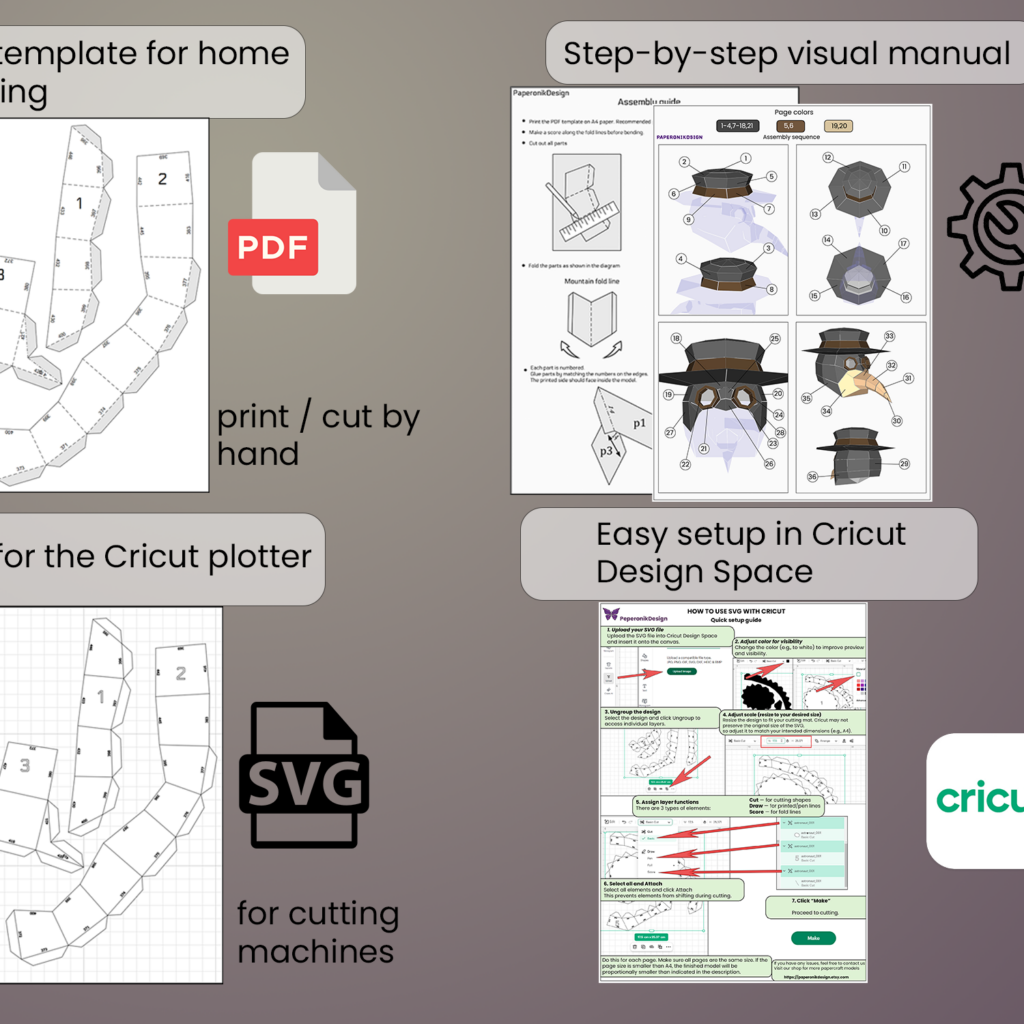
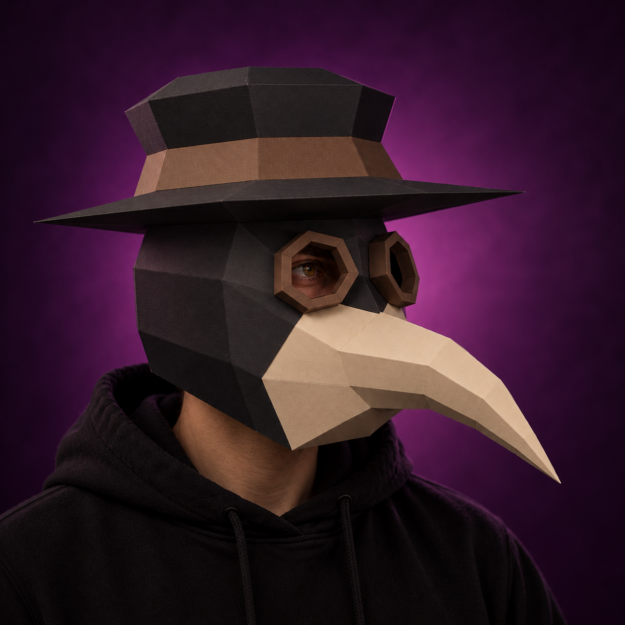
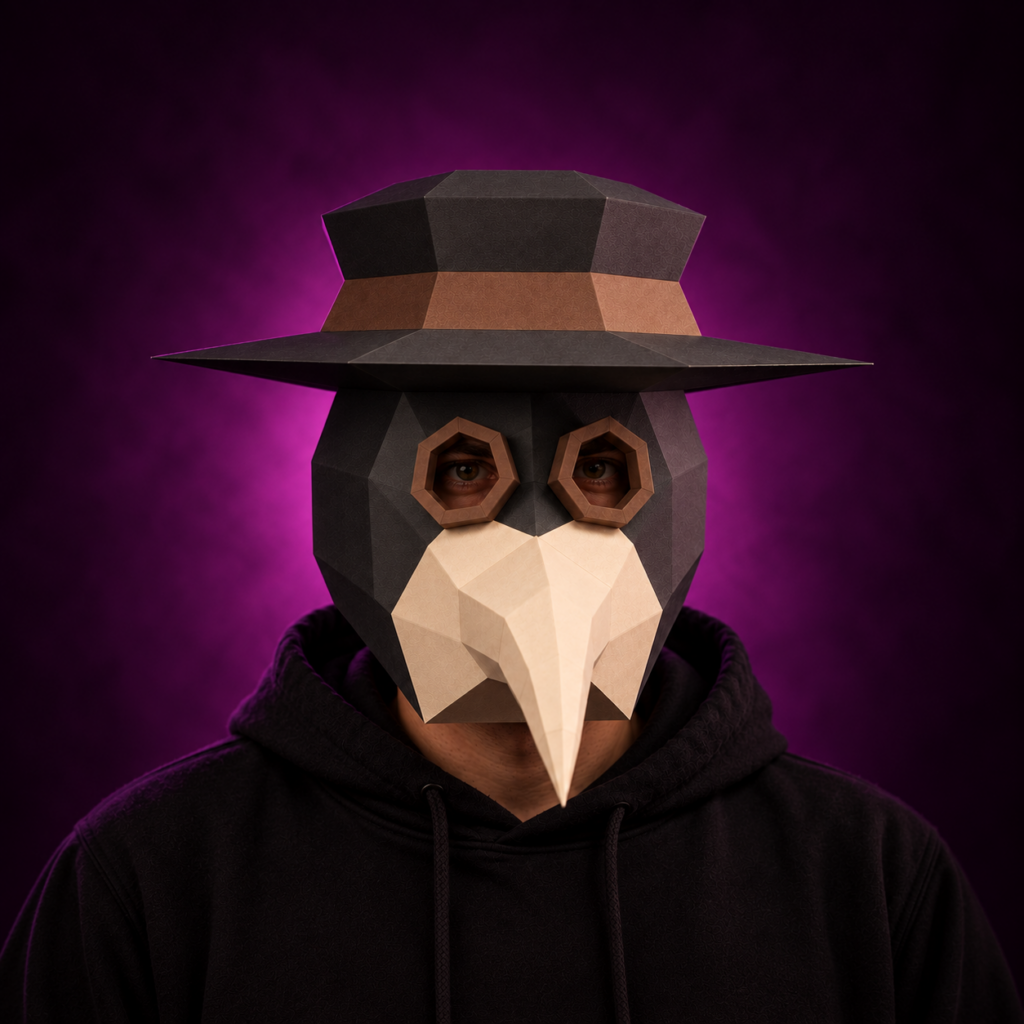
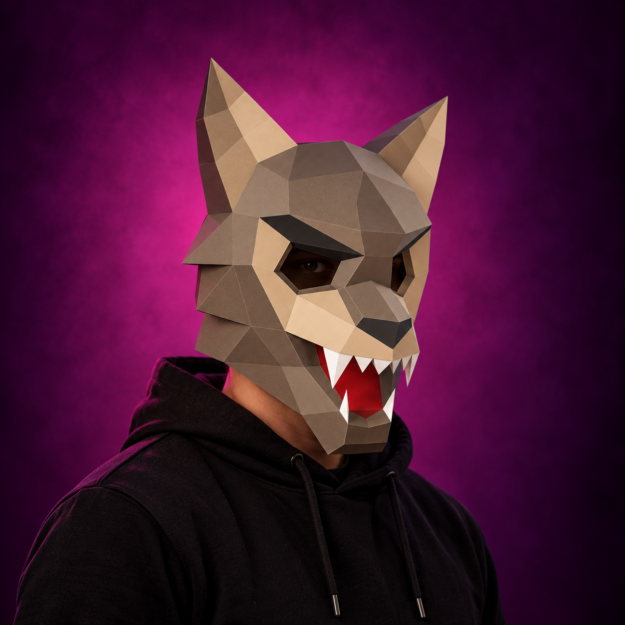
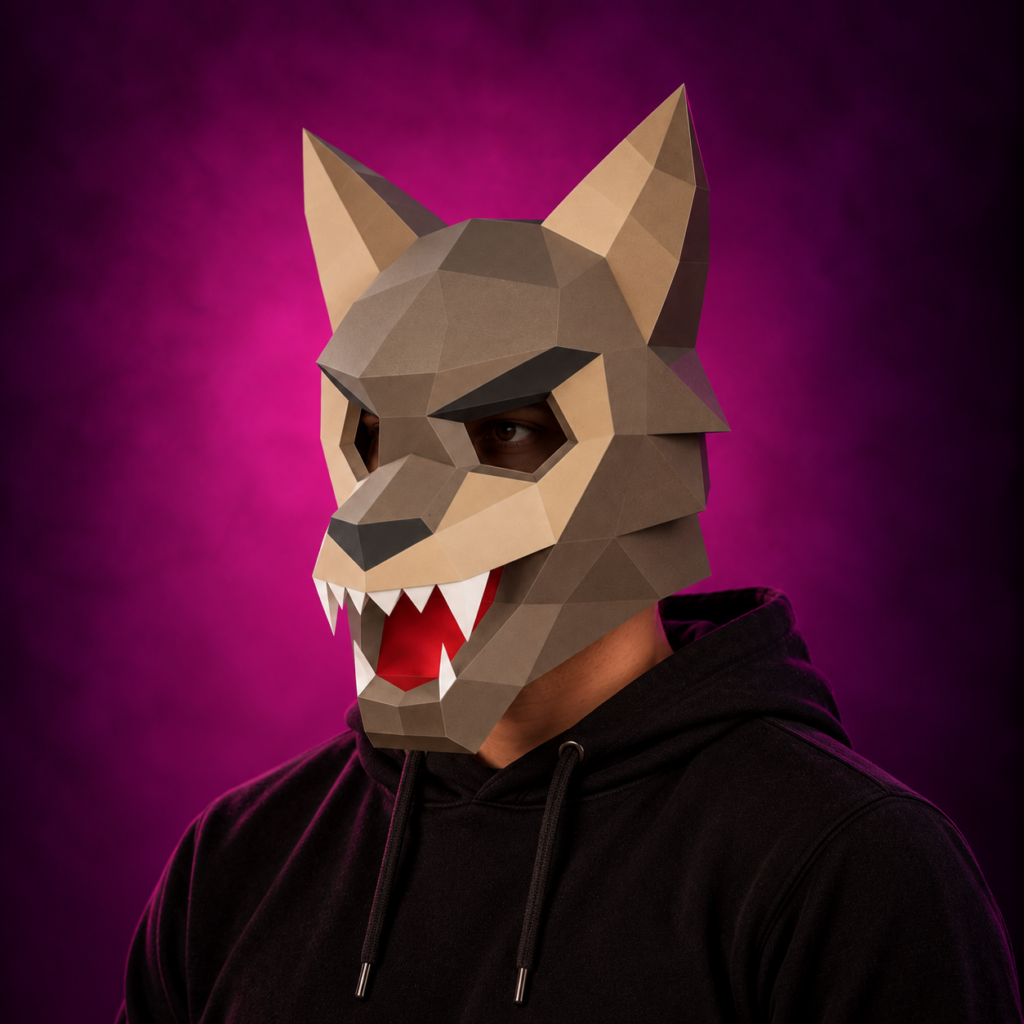
Our origami and papercraft 3D models answer three of this year’s five points: you choose the paper and therefore the color, the finished object carries the traces of its assembly, and the only supply needed fits into a sheet of paper. You download the model, print it on the paper of your choice, cut it out and fold it. Allow one evening for a first piece, and the result can sit on a shelf or hang on the wall.
An honest note on style: papercraft is based on facets and sharp edges, while 2026 leans toward rounded forms. That is exactly what makes it useful. In an interior that has become highly textured and very curved, a faceted piece adds the point of sharpness that structures the whole, especially when placed in front of a matte white wall where it casts clean shadows.