Get ready for a more responsible back-to-school season
Back-to-school often means rushed shopping, long supply lists, and backpacks to sort out. But you can gear up thoughtfully without compromising on quality or the joy of learning. Choosing more responsible school supplies means focusing on what’s useful, durable, and reusable.
Take stock before you buy
The first step toward a more responsible back-to-school routine rarely starts in a shop. It starts at home, by opening drawers, pencil cases, binders, and storage boxes. A lot of supplies can be reused: rulers, erasers, scissors, compasses, folders, dividers, notebook covers, or pencils that still have plenty of life left. This quick inventory helps you avoid buying duplicates and gives you a clearer picture of what’s actually needed.
To make it efficient, sort everything into a few categories: ready to use, needs cleaning or fixing, can be donated, and truly needs replacing. A sturdy binder with rings still in good condition, for example, can last for several school years if you simply replace the paper inside.
Getting your child involved in this sorting process is useful too. It helps them understand that school supplies are not disposable by default, and that a well-looked-after item keeps its value. The goal is not to keep everything at all costs, but to make choices that fit real school needs, the family budget, and a more mindful way of consuming.
Choose supplies that are durable, simple, and repairable
A responsible school supply item is not just made from a better material. It’s also something designed to last, easy to use, refill, or repair. A refillable pen, a sturdy mechanical pencil, a solid wooden ruler, or a washable pencil case can be a smarter choice than something highly decorative but fragile. Very often, simplicity is a good sign of durability.
Before buying, check the build quality, whether you can replace the lead, cartridge, or refill, and how well the item can stand up to everyday use. School supplies get handled, carried around, forgotten at the bottom of a bag, and sometimes treated roughly. That’s why it makes more sense to choose reliable products than to pile up unnecessary accessories.
The materials matter too. Untreated or lightly treated wood, thick cardboard, reusable metal, and some recycled plastics can all be good options, as long as the item suits the student’s age and the intended use. The best choice is the one that will genuinely be used, looked after, and kept. A more responsible back-to-school season depends as much on smart buying as on the habits that follow throughout the year.
Pick paper and creative materials with care
Paper plays a central role in school life: notebooks, loose sheets, journals, revision cards, rough drafts, art, and craft activities. To reduce the impact of your purchases, it’s best to choose the right formats, avoid oversized packs when they’re not necessary, and favour paper from clearly identified sources. Environmental labels can help you compare products, but they don’t replace common sense about how much you really need.
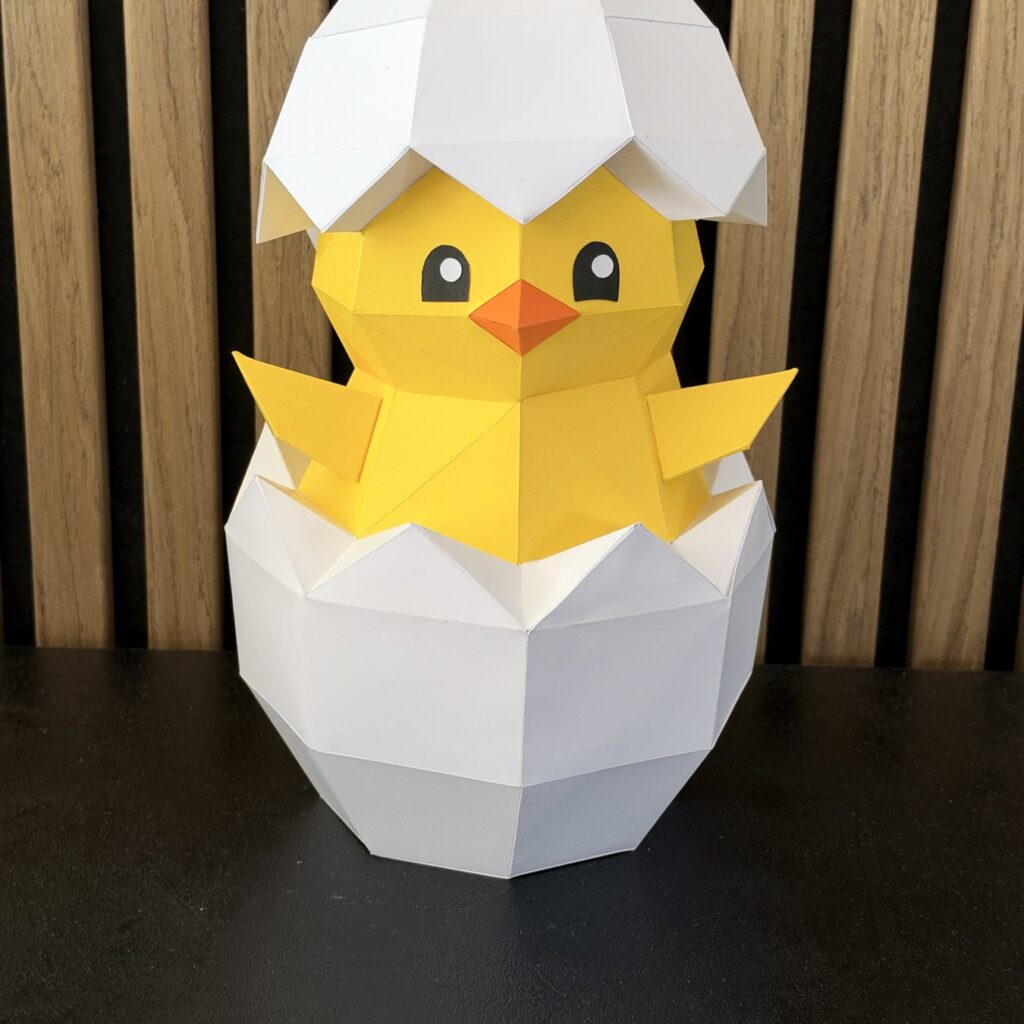
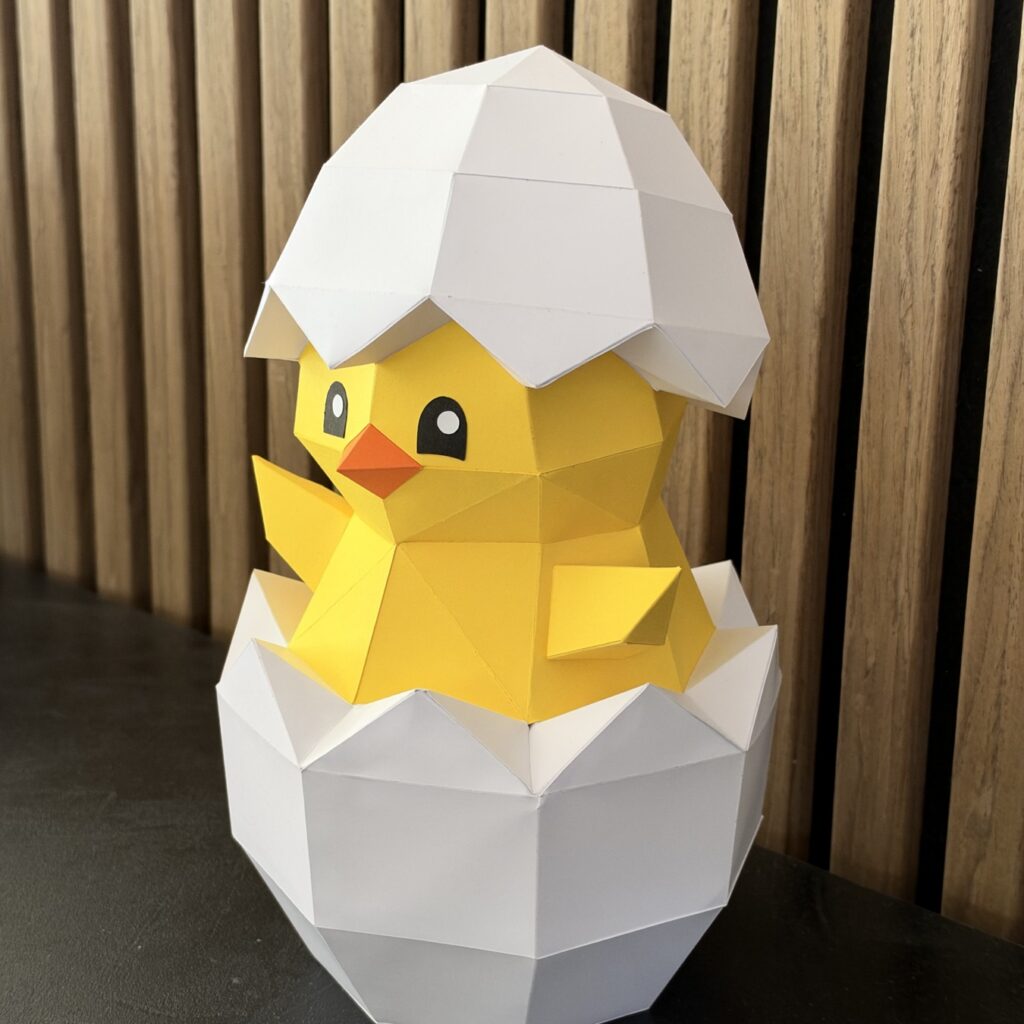
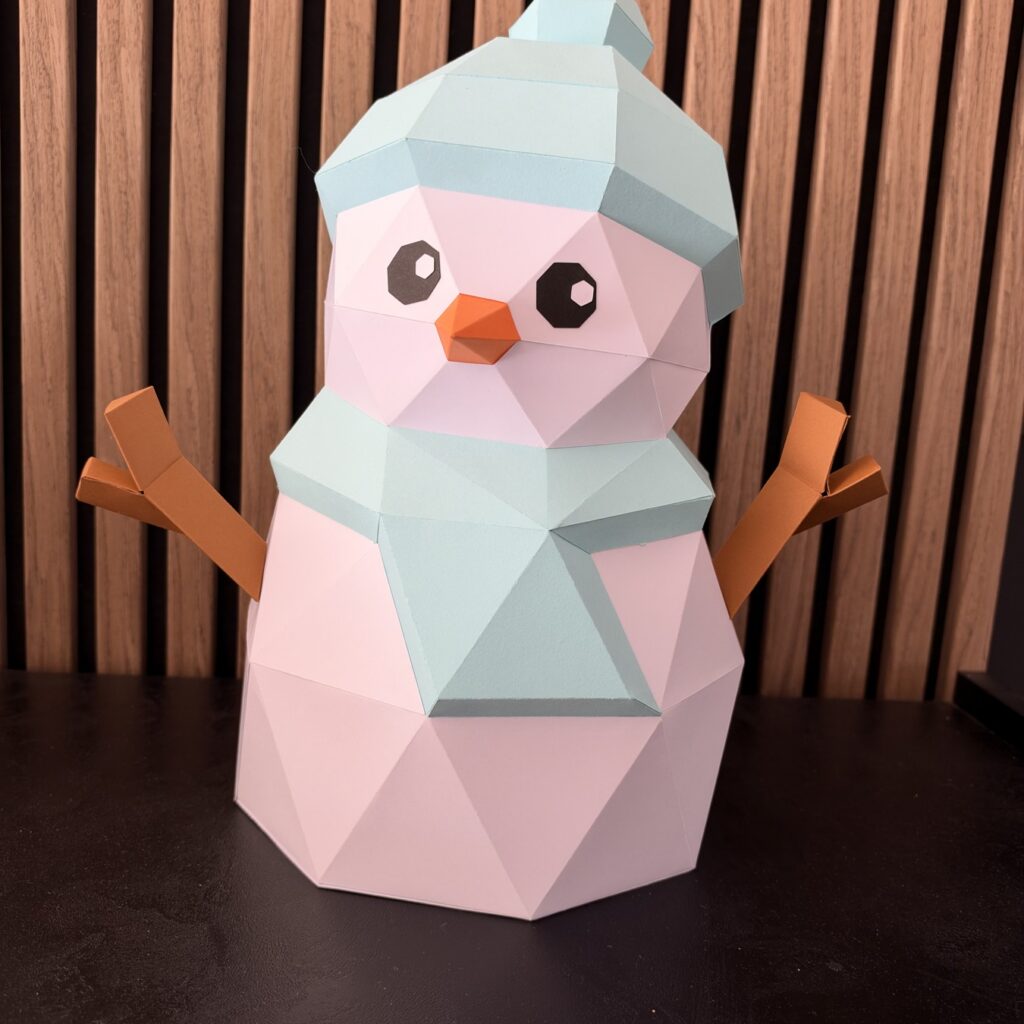
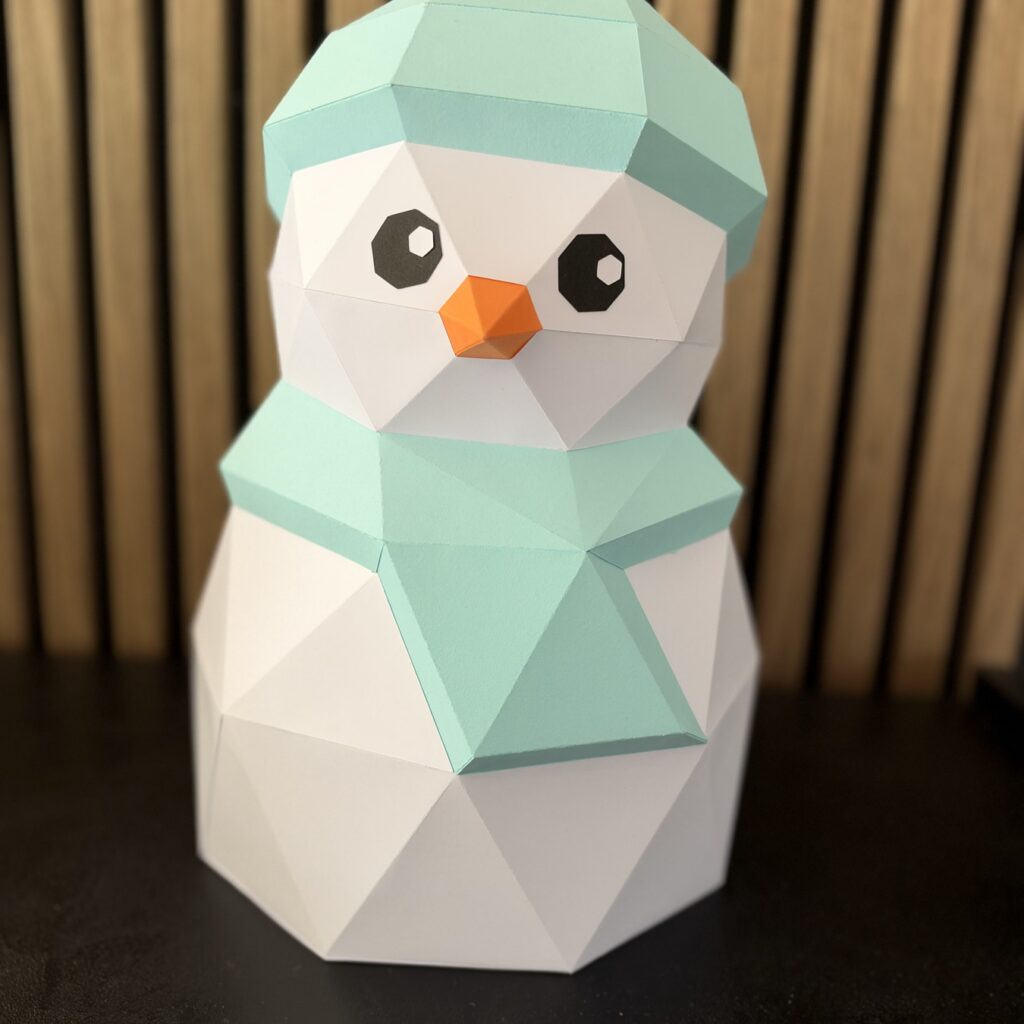
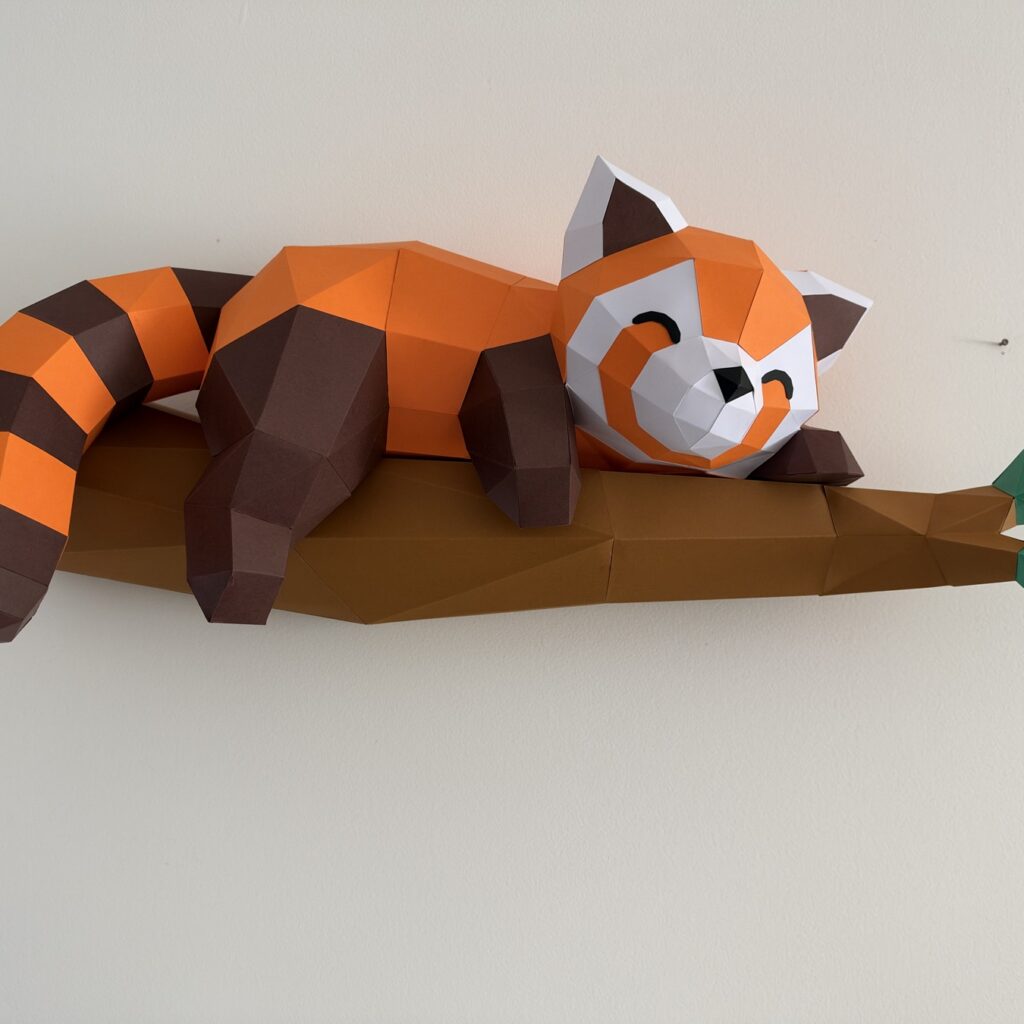
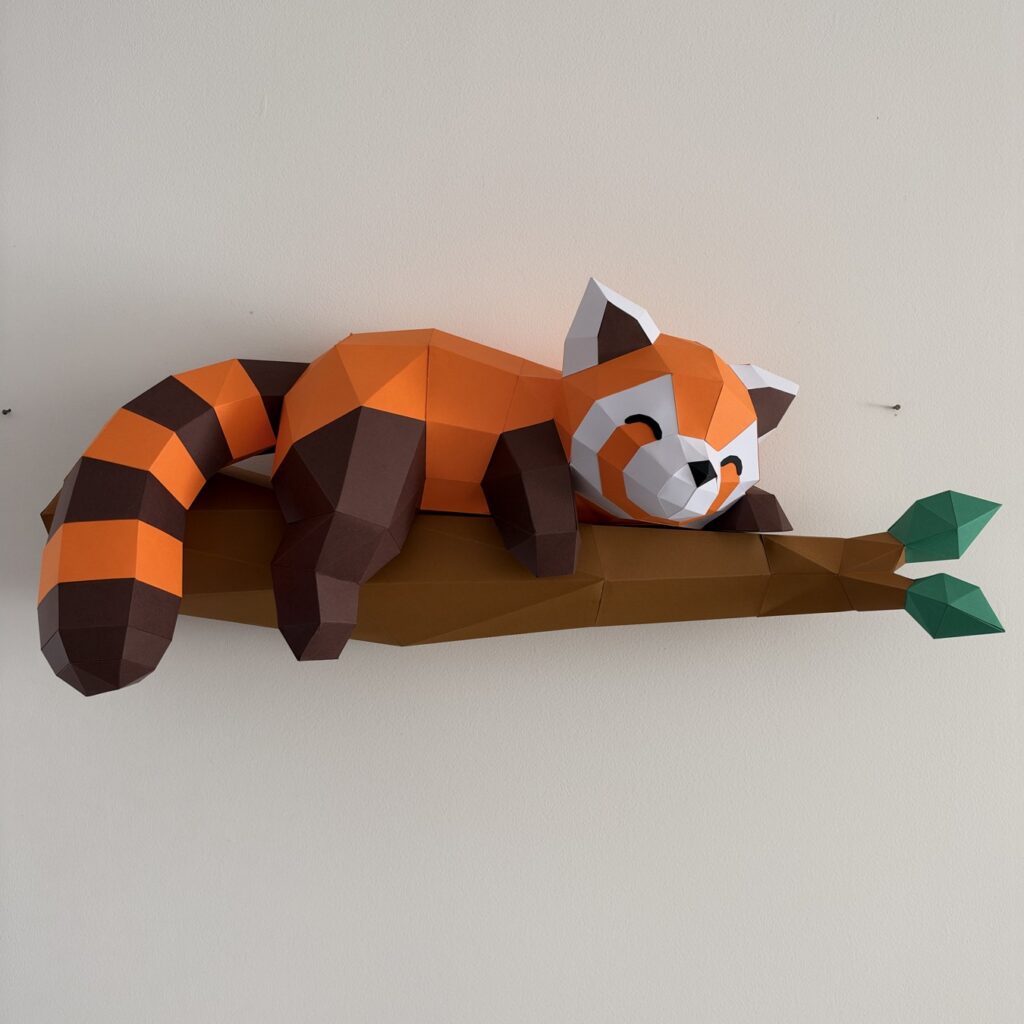
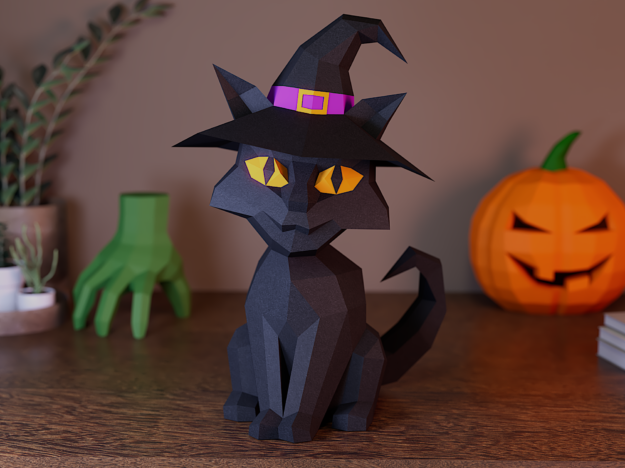
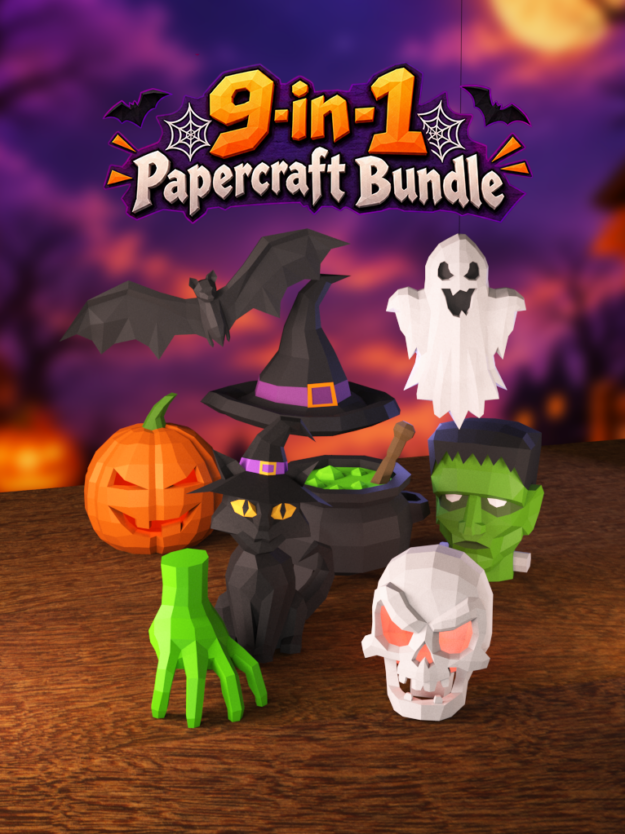
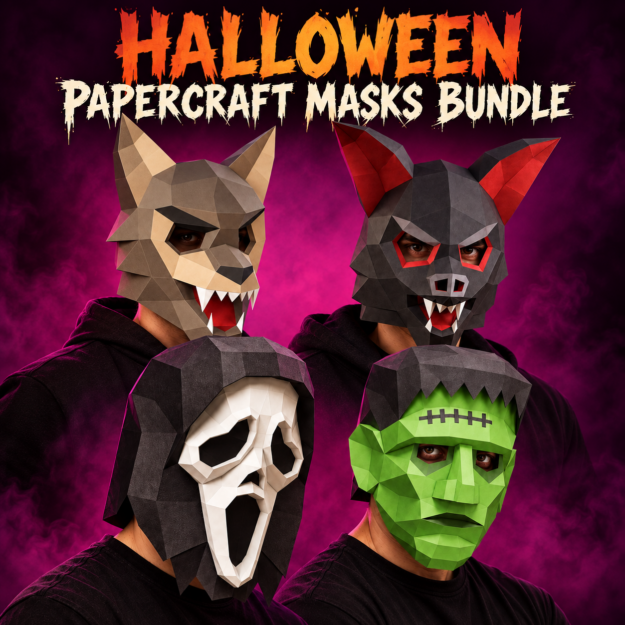
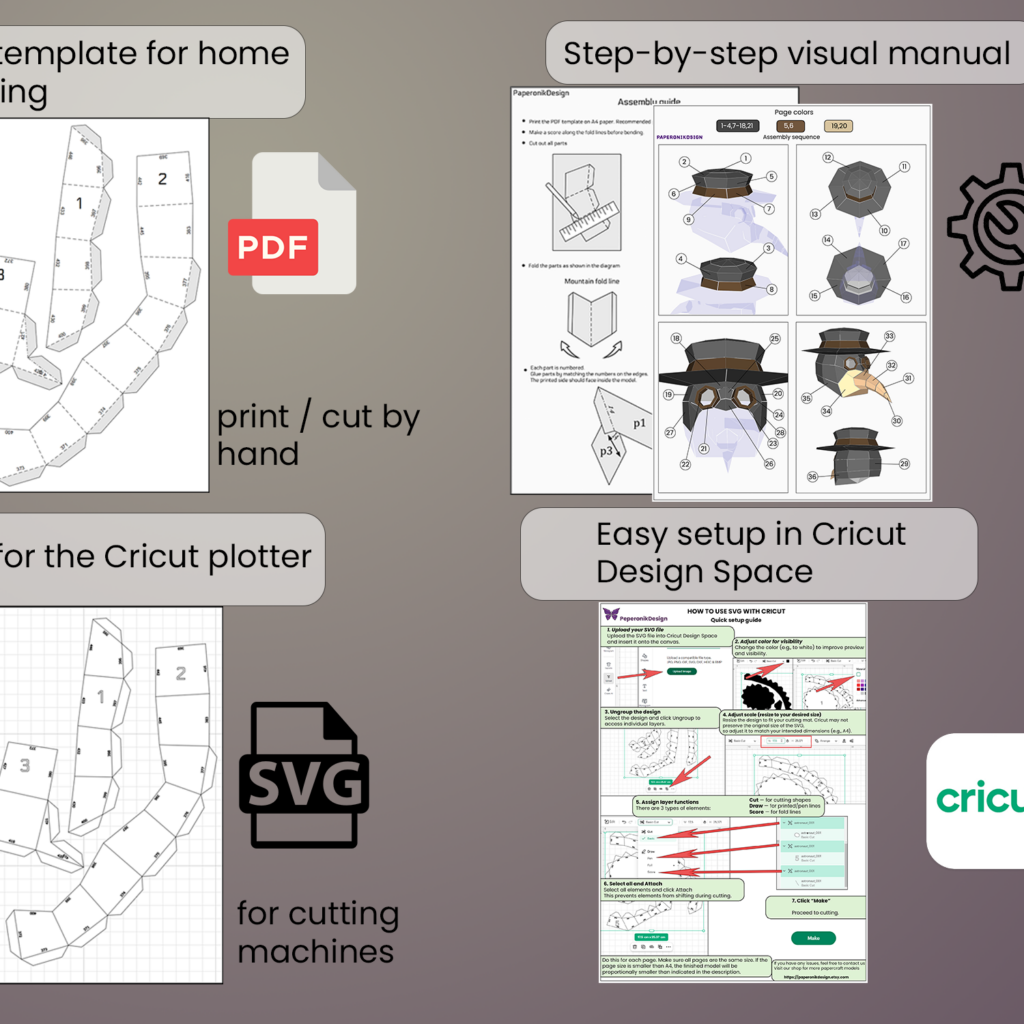
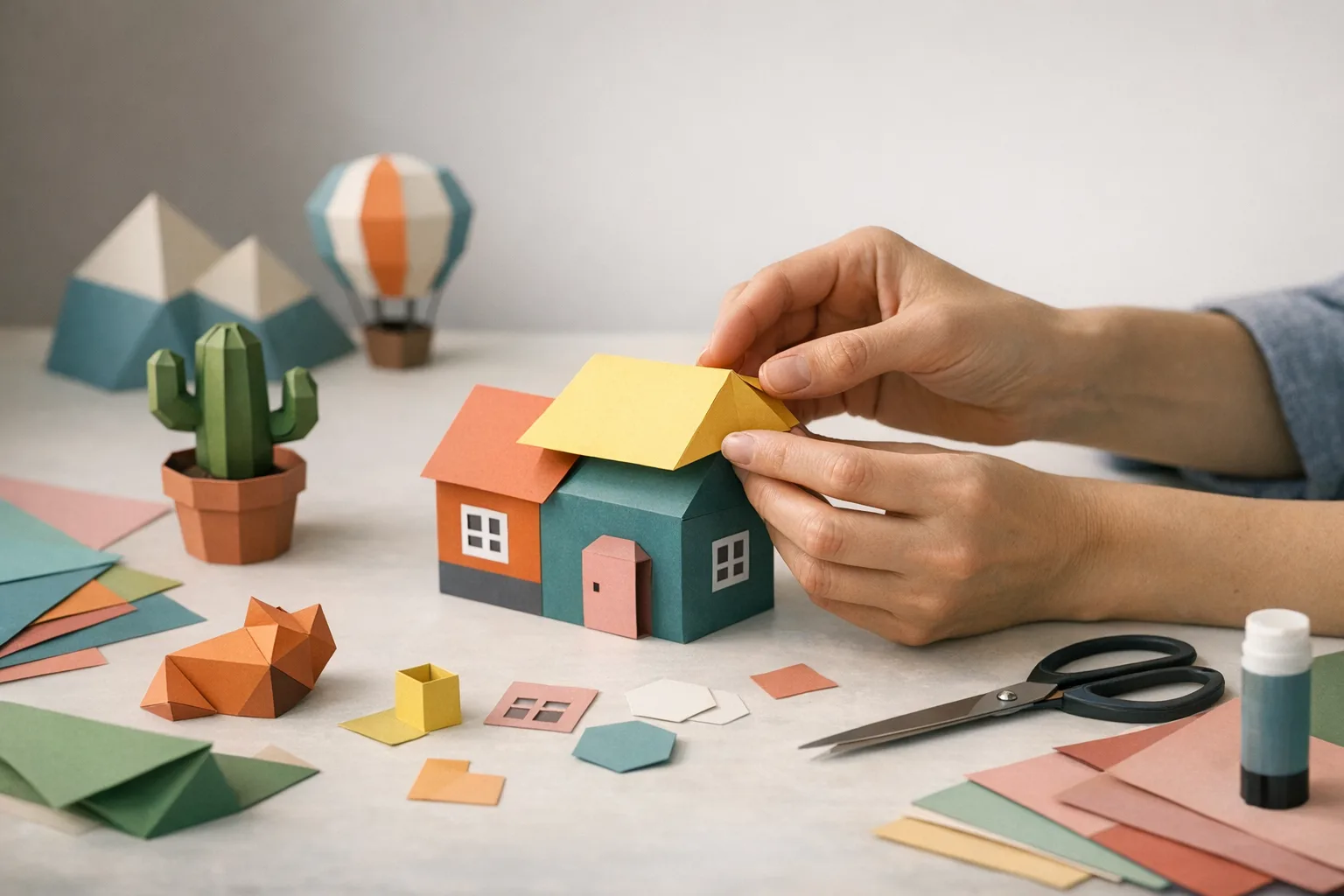
In creative activities, paper is also an amazing learning tool. Cutting, folding, gluing, and assembling help build precision, patience, and spatial awareness. Papercraft projects, for example, can turn a simple sheet into something decorative or educational. On papercraft-3d.com, this naturally fits a more thoughtful creative approach: print only what you need, choose the right paper, and keep offcuts for smaller details.
Being more responsible can also mean choosing the right kinds of projects for students. Some educational initiatives promote more ethical purchasing and a better understanding of where products come from. In that spirit, schools committed to fair trade offer an inspiring example of how supplies, teaching, and conscious consumption can connect, without reducing back-to-school shopping to a basic checklist of things to buy.
For families and teachers alike, the goal is not to ban paper, but to use it better. Printing in draft mode when that’s enough, sharing materials, keeping leftover sheets, and choosing the right paper weight all help reduce waste. Paper that’s too thin may tear during assembly, while paper that’s too thick may be unnecessary for a simple exercise. The right paper is the one that matches the job.
Plan your shopping to avoid rushed decisions
Back-to-school shopping is often done in a hurry, which leads to overfilled baskets and choices driven by discounts or whatever looks attractive in the moment. To shop more responsibly, it’s better to prepare your own list based on the official school list, then compare it with the inventory you already made at home. This makes it easier to separate essentials from optional extras.
It can also help to group purchases by category: writing tools, filing and organisation, paper, drawing, geometry tools, storage. This makes comparison easier and helps prevent buying the same type of item more than once. It also makes it simpler to spot more durable alternatives, such as reinforced-cover notebooks, reusable dividers, or tougher folders.
Price should not be the only criterion, even if it obviously matters. A cheap product that breaks quickly may end up being a worse choice than something sturdier. On the other hand, an expensive item is not automatically a responsible one. Look at how it will be used, how long it should last, whether it can be reused, and how simply it is made. With children, involving them in the decision within a clear framework helps balance enjoyment with simplicity: a pencil case they genuinely like will usually be looked after better than one chosen without them.
Cut waste throughout the whole school year
A responsible back-to-school season doesn’t end once the shopping is done. Everyday habits matter just as much as the initial choice of supplies. Keeping a small folder for sheets to reuse as scrap paper, storing short pencils in a box, or keeping cartridges and refills in the same place all help prevent things from being lost or thrown away too quickly. Good organisation extends the life of school supplies.
The school bag deserves regular attention too. A quick weekly sort helps remove unnecessary papers, protect important documents, and spot damaged supplies before they become unusable. A cracked ruler may need replacing, but a slightly loose binder can often be repaired or reorganised. This kind of follow-up limits emergency purchases, which are usually less considered.
Packaging is another important point. When possible, choose products with minimal packaging, buy individually, or go for packs only when they’re genuinely useful. For crafts and creative activities, paper offcuts, bits of cardboard, leftover ribbon, or used envelopes can all become creative resources. This approach gives materials a second life and encourages children to see an object’s potential before throwing it away.
Get children involved in a more responsible approach
A successful responsible back-to-school routine depends a lot on whether the child buys into it. If every choice is presented only as a restriction, it may be poorly received. It works better to explain the reasons: protecting resources, avoiding waste, taking care of your belongings, and understanding the value of objects. These ideas are easy to grasp when linked to everyday situations.
For example, you can invite your child to personalise an old binder with a label, a hand-drawn cover, or a cut-paper design. That kind of personalisation turns a reused item into something chosen and valued. Creative activities like papercraft are especially well suited to this mindset: they show that you can create something new from a simple material, with care and precision.
Teachers and parents can also encourage shared habits: using both sides of a sheet when it makes sense, putting supplies away after use, repairing before replacing, sharing some tools in class, or keeping a stash of recovered materials for art projects. The approach then becomes collective. It’s not about chasing impossible perfection, but about making steady progress that fits students’ ages and everyone’s real-life constraints.
Build a back-to-school routine that fits the family budget
Responsible school supplies are sometimes seen as more expensive, but that idea deserves a closer look. Buying less, choosing better, and reusing what you already have can help keep spending under control. The smartest expense is not always the cheapest at checkout, but the one that meets the need without needing to be replaced too soon. Durability can therefore be an economic criterion as much as an environmental one.
To stay clear-headed, it helps to set priorities. Heavily used items such as the pencil case, pens, main notebooks, or school bag deserve special attention. Secondary accessories can be chosen more simply, or even reused. Some supplies can also be bought gradually, when the school allows it, so you avoid building up unused reserves.
Second-hand can also make sense for certain equipment: school bags in good condition, calculators, books, aprons, storage boxes, or art materials. You just need to check the condition, compatibility with school requirements, and day-to-day practicality. In the end, preparing for back-to-school with responsible supplies is about finding the right balance between quality, usefulness, enjoyment, and simplicity. A gradual, well-organised approach that’s clearly explained to children helps build good habits for the whole school year.
FAQ
How can you tell if a school supply item is truly responsible?
You need to look at several criteria together: durability, whether it can be refilled or reused, the material it’s made from, the packaging, and whether it genuinely fits the need. A responsible school supply is not just a product with an eco label on it. Above all, it’s something useful, long-lasting, suited to the student, and not likely to be replaced too quickly.
Should you replace all school supplies with eco-friendly alternatives?
No, that would go against the whole spirit of a responsible approach. The most sensible thing is to use what you already have first, as long as it’s still in good condition. Replacing something that still works just to buy a greener version does not always make sense. Responsible alternatives are most useful when replacement is actually needed.
What paper should you choose for papercraft activities at school?
It depends on the project. For simple folding or practice work, standard paper may be enough. For 3D creations, a thicker paper often gives better structure. The key is to match the paper weight to the use, avoid unnecessary printing, and keep offcuts for small decorative elements or test pieces.
How do you motivate a child to take care of their school supplies?
It’s best to involve them from the sorting stage through to the shopping, then let them personalise certain items. Supplies that are chosen, decorated, or proudly reused are often treated with more care. Simple habits, like tidying the pencil case every evening or checking the school bag each week, also help make maintenance feel natural rather than restrictive.
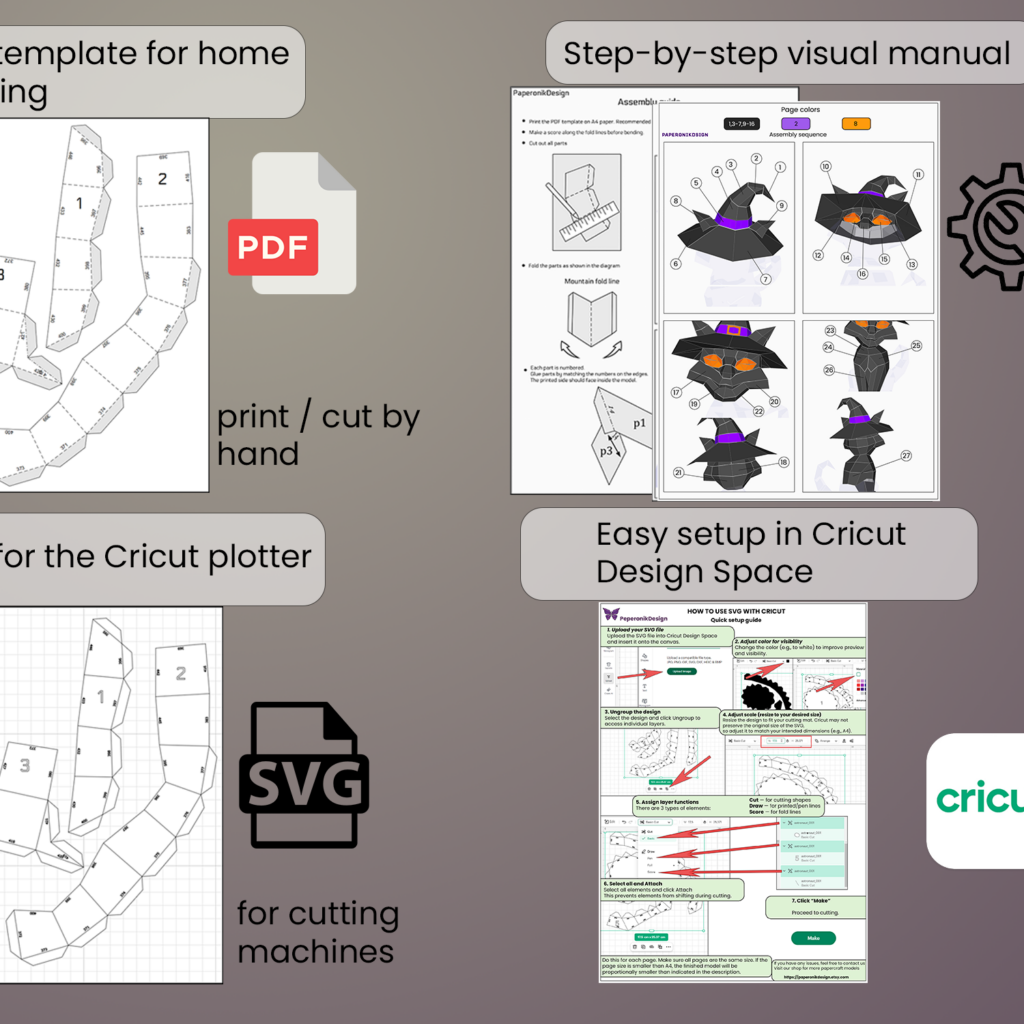
Ready to put this into practice? Browse our free papercraft to print and our downloadable PDF papercraft kit.