Simple ways to travel screen-free
Keeping kids busy while travelling without relying on screens is mostly about planning ahead, choosing the right materials and picking activities that are easy to pause. Paper, pencils, stickers, mini challenges and papercraft can turn waiting time into creative, calm and rewarding moments for the whole family.
Pack a light, practical creative kit
Successful travel crafts start before you leave. The goal is not to bring a full art studio, but to put together a compact kit that’s easy to open, use and pack away. It should include versatile supplies that work on a train, in the car, on a plane, in a waiting room or in a holiday rental.
Choose low-mess supplies: coloured pencils, washable markers, a graphite pencil, eraser, pencil sharpener with a shavings container, small notebooks, folded sheets of paper, stickers, repositionable masking tape and a few envelopes to sort finished creations. Scissors can be useful, but they are not always allowed everywhere, especially on some flights. So it’s smart to plan activities that also work without any cutting.
A great tip is to divide the supplies into several pouches: one for drawing, one for sticking, one for folding, one for quiet games. That way, your child can choose without tipping everything out. For younger kids, prepare some materials in advance: shapes pre-cut at home, silhouettes to complete, little scenes to decorate. It cuts down frustration and avoids tricky handling during the journey.
Easy paper games for waiting time
Paper is still one of the best travel companions for screen-free trips. It’s light, affordable, quiet and endlessly versatile. With just a notebook, a child can draw what they see outside the window, invent a treasure map, create a character or write down funny words heard along the way.
Classic paper games work brilliantly, as long as you adapt them to the space you have. Tic-tac-toe, drawing riddles, handmade mazes, improvised dot-to-dots or a “finish the drawing” game all need very little equipment. An adult starts a shape, and the child turns it into an animal, a vehicle or an imaginary object. It boosts observation and imagination without long instructions.
You can also make mini themed notebooks before departure. For example: “my animal spotting notebook”, “my houses seen on the road notebook” or “my travel meals notebook”. The theme gives the activity a thread to follow, while still letting your child draw, stick or write however they want. Later, these notebooks become real holiday keepsakes, much more personal than a simple photo collection.
Papercraft and paper folding: create in 3D even on the go
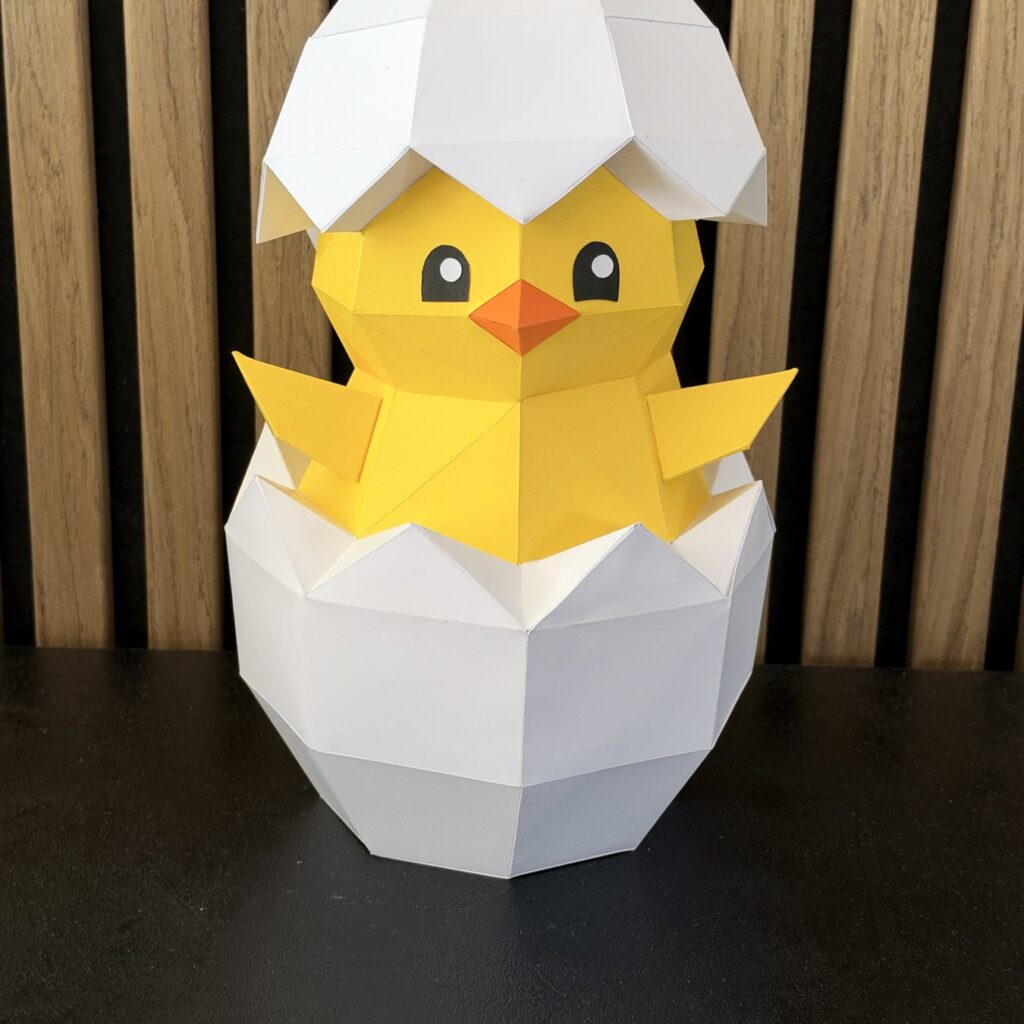
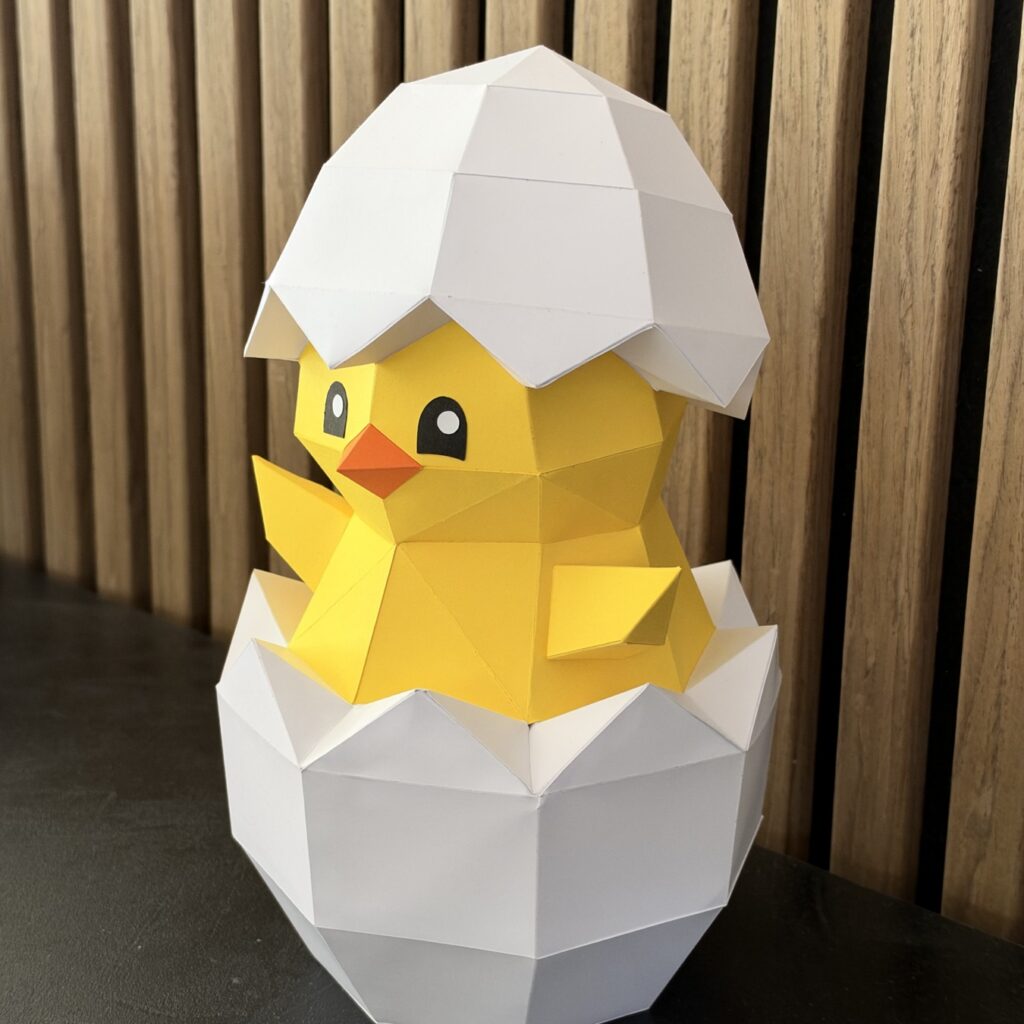
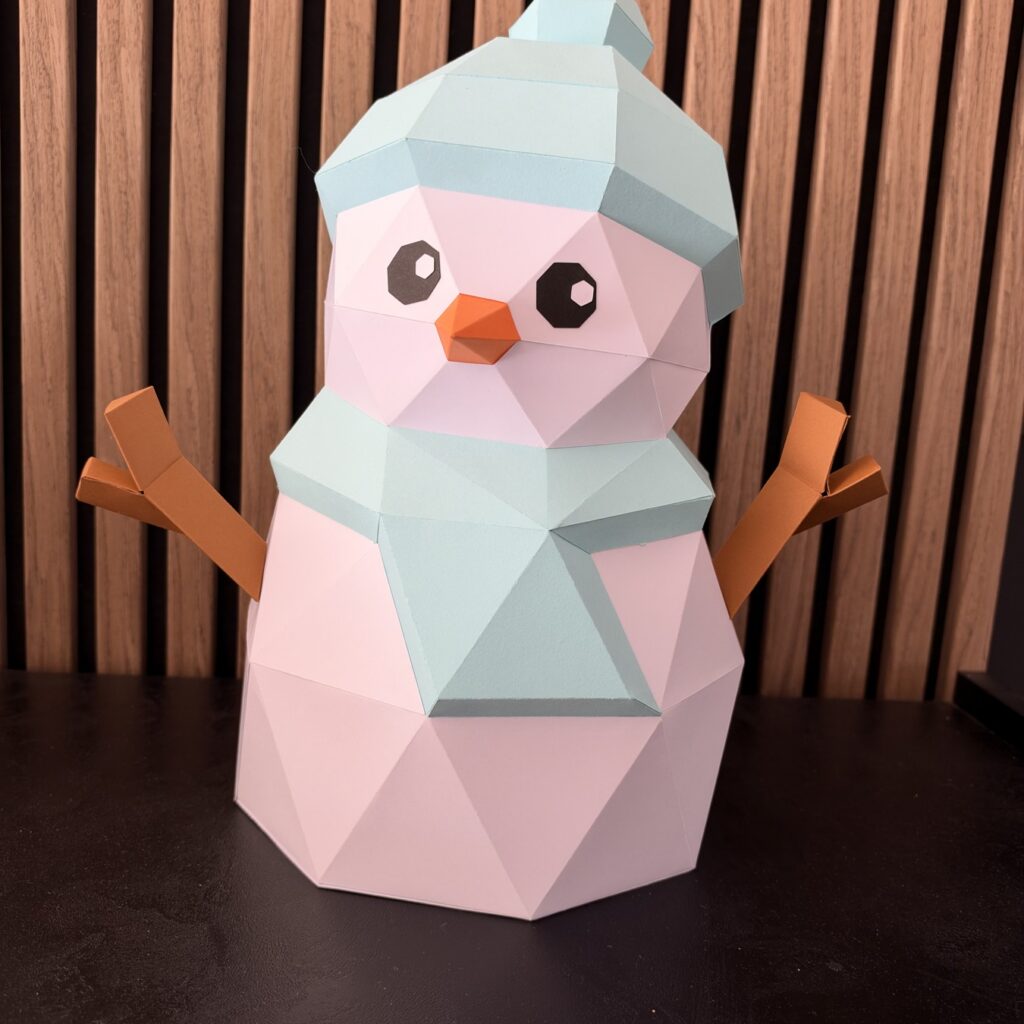
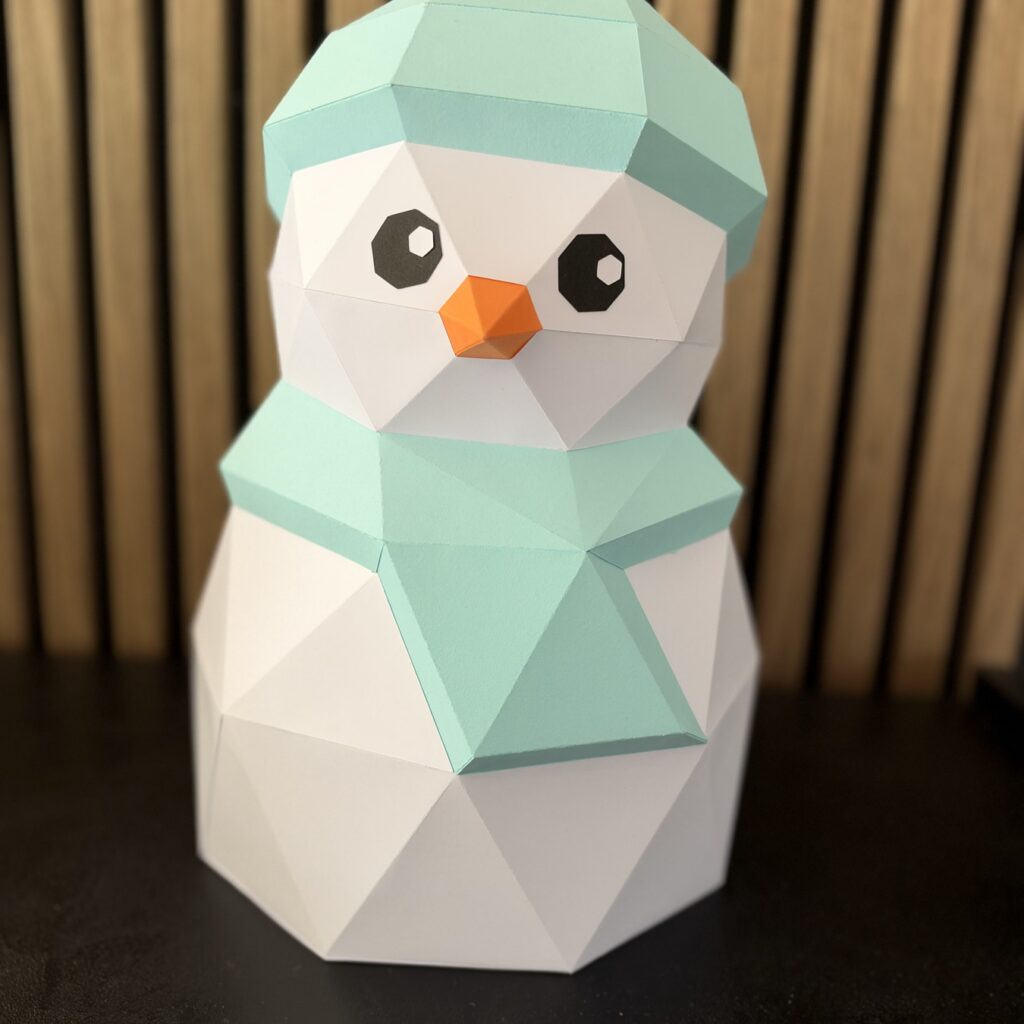
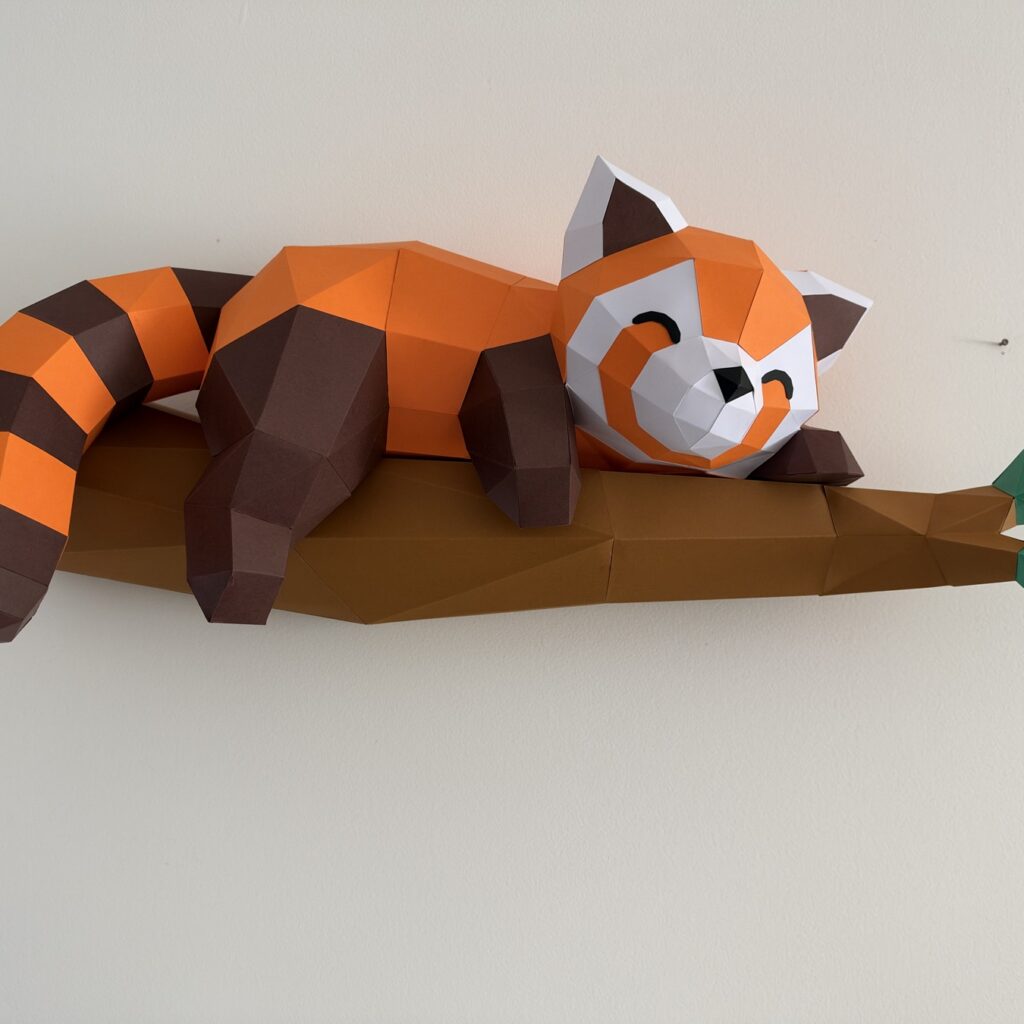
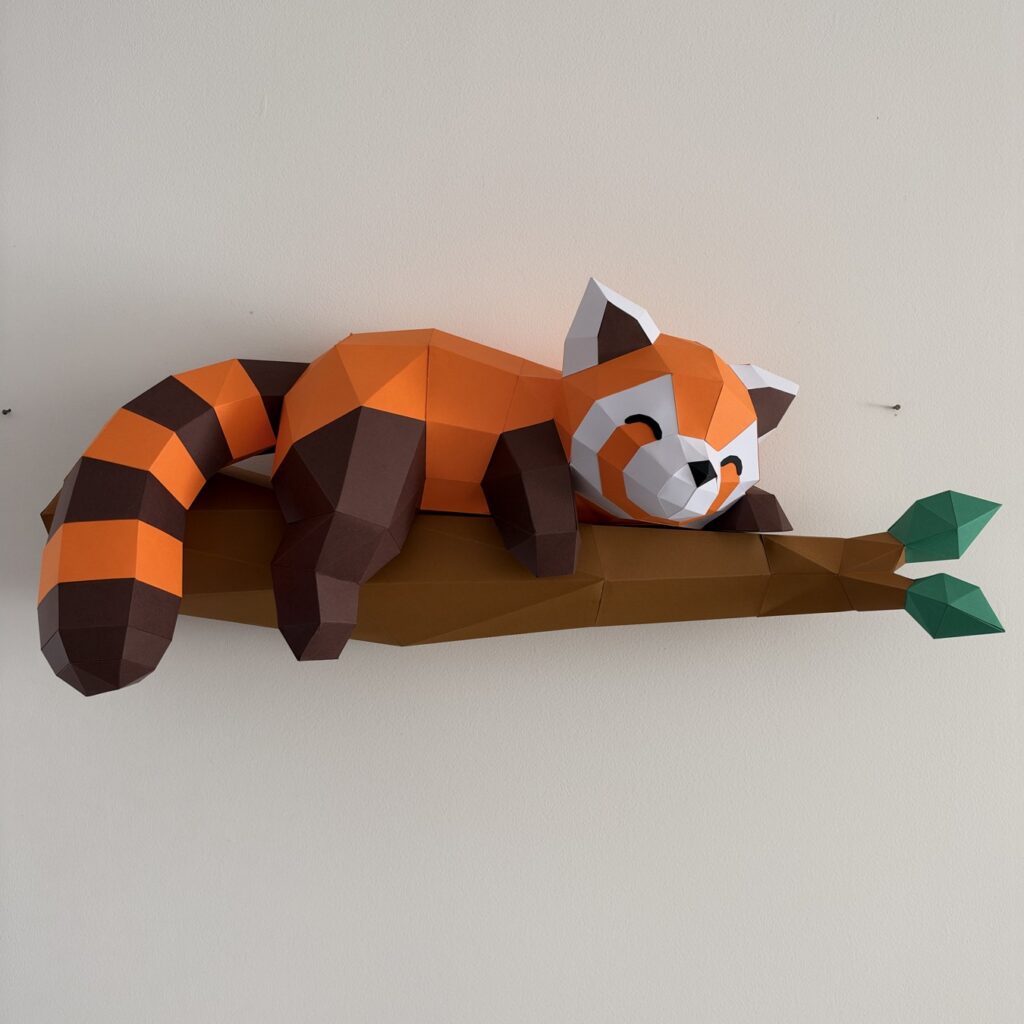
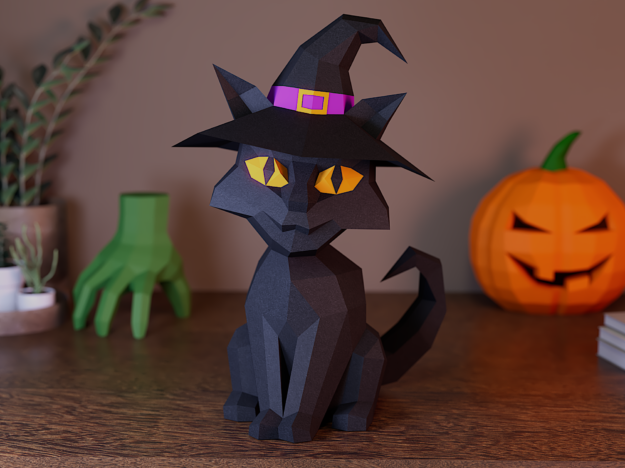
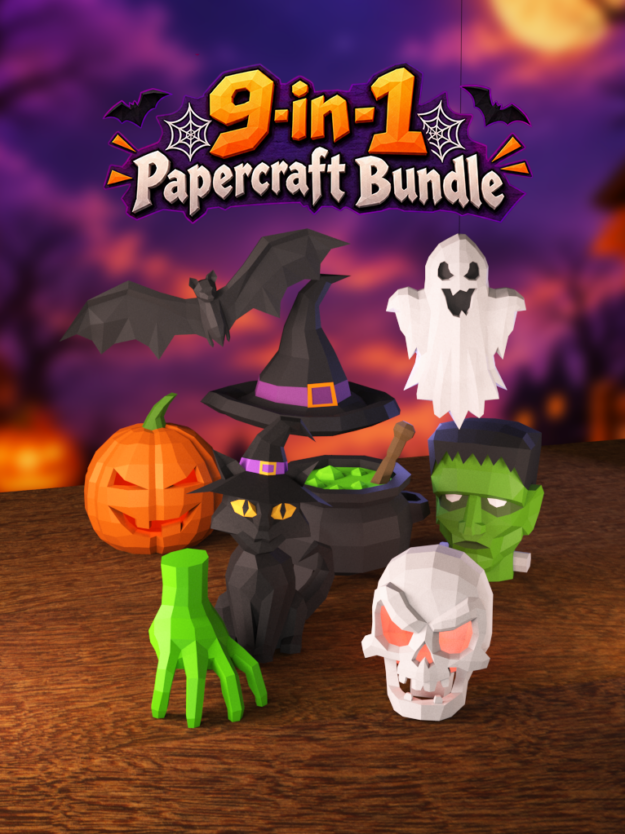
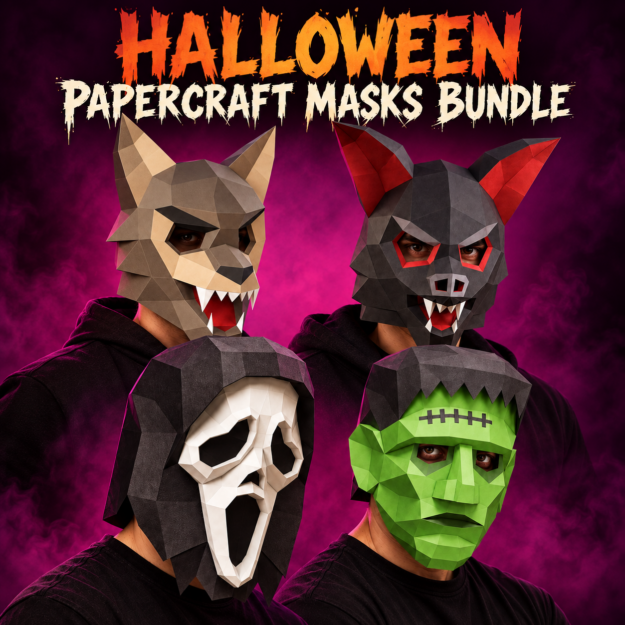
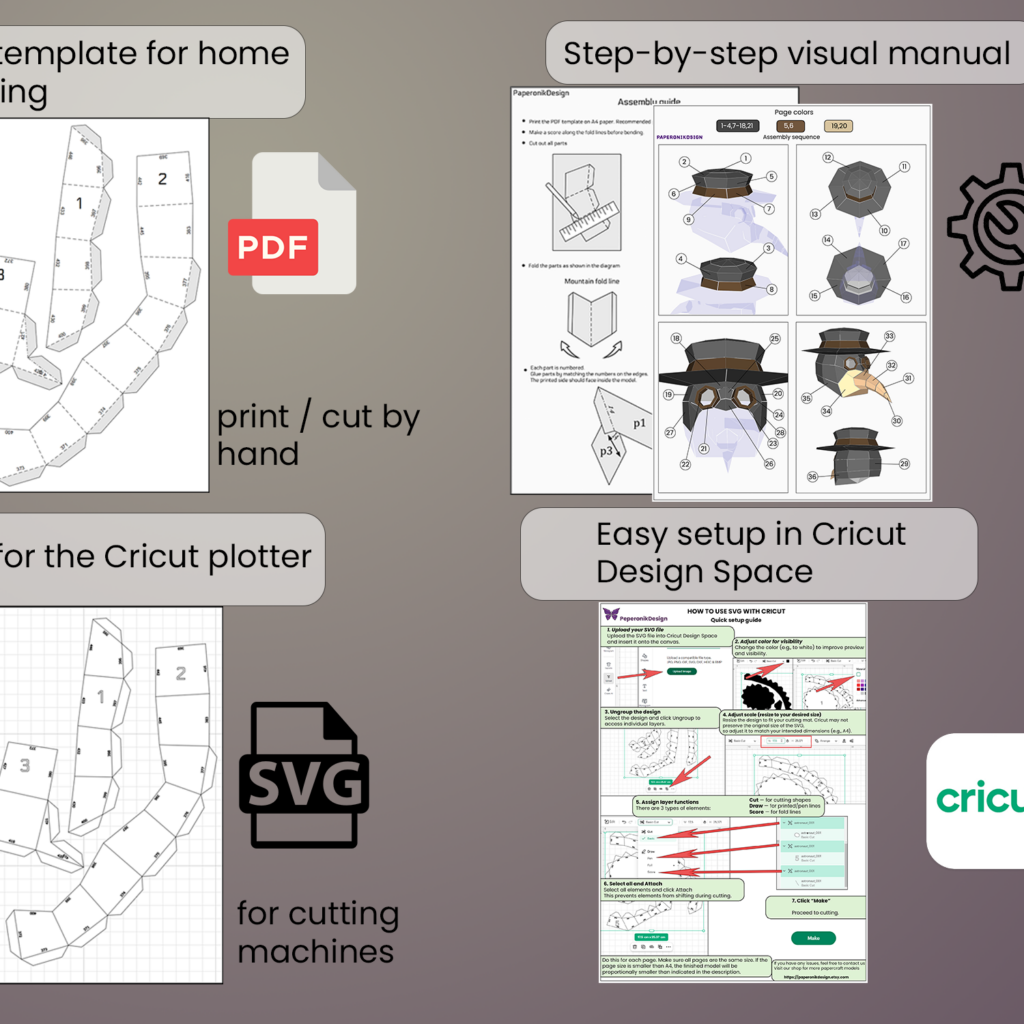
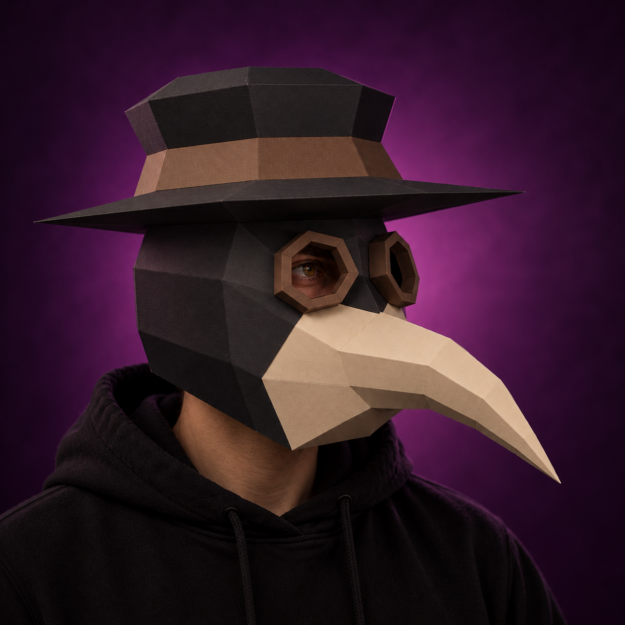
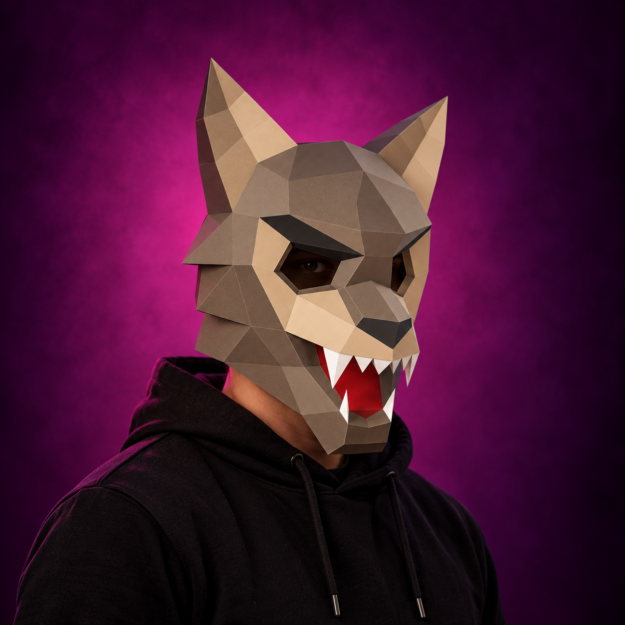
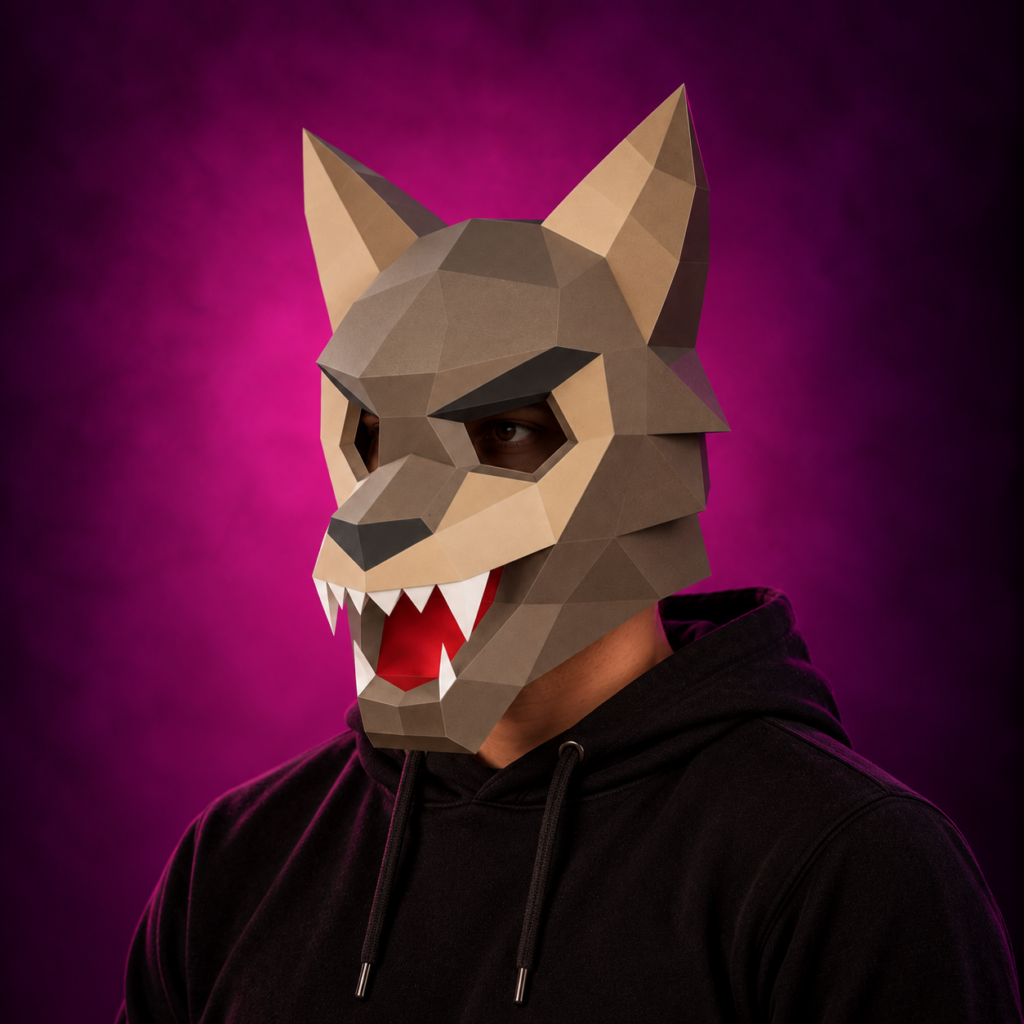
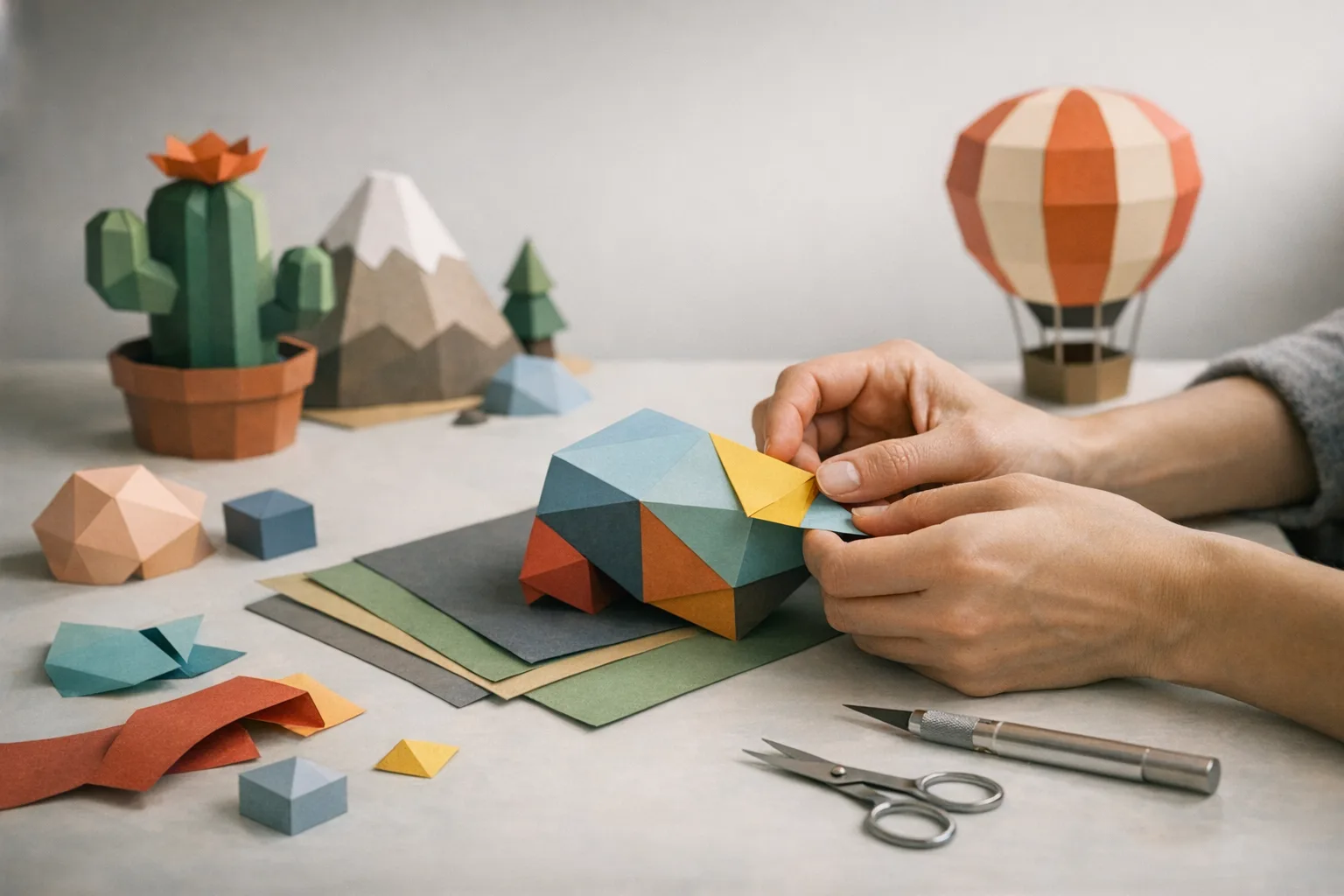
Papercraft is especially good for keeping children busy while travelling because it combines patience, precision and the fun of making something real. When you’re on the move, it’s best to choose simple models with few pieces, or to prepare some steps in advance. Parts can be cut out at home, then assembled during the journey or once you arrive.
To make your prep even easier, you can also explore resources dedicated to family travel ideas. They help you complement creative activities with practical advice on planning, pacing and choosing destinations. With a bit of organisation and creativity, every bit of downtime becomes easier for kids and adults alike.
For travel, choose creations that don’t need liquid glue. Folding, slot-in tabs or double-sided tape are much more practical. A small rigid board, such as a notebook backing, can work as a handy surface. Animal, vehicle and character models are often favourites, because they can later become part of an invented story.
Papercraft also has the advantage of making effort feel worthwhile. Your child is not just passing time: they’re building something. To avoid tiredness, split the activity into stages. One step while waiting, another after a meal, a final one in the evening. The project moves forward gently, without pressure, and becomes a reassuring thread throughout the trip.
Observe, draw and tell the story of the journey
Travel offers creative inspiration that’s easy to overlook: landscapes, signs, stations, airports, villages, mountains, fields, harbours, animals, vehicles or little architectural details. Asking a child to observe first and then draw what they notice helps them focus on their surroundings instead of boredom.
A child’s travel journal can stay wonderfully simple. The idea is not to create something perfect, but to keep a trace of the trip. Your child can draw the shape of the clouds, invent the face of a city, copy a strange sign or create an imaginary map of the route. Older children can add a few words, a caption, a speech bubble or a short anecdote.
To mix things up, try observation missions:
- spot the main colour in the landscape;
- draw a vehicle different from the one you’re travelling in;
- invent the name of a place you pass;
- sketch an object from the travel bag;
- imagine what a bird sees from the sky.
These short prompts create structure without limiting creativity. They also work well for children who say they can’t draw. The goal is to look, interpret and tell a story, not to copy perfectly.
Quiet activities for the car, train and plane
Every type of transport comes with different possibilities. In the car, your child needs to stay comfortably seated with a stable, safe activity. Sturdy notebooks, reusable drawing boards, repositionable stickers and story cards are especially practical. Avoid tiny pieces that roll under seats or supplies that need constant supervision.
On a train, there is often more space for drawing or folding. A table gives you room for a notebook, a simple papercraft model or an activity pouch. It’s also a great setting for collaborative games: each person adds a detail to a drawing, invents a sentence for a story or creates a character in turns.
On a plane, compactness matters most. A slim pouch with a few sheets of paper, some pencils and a handful of creative cards is enough. Activities should be quick to pack away during safety instructions, meals or walks through the cabin. Free colouring, mini folds, drawing word games and fill-in notebooks all work well.
Whatever the transport, alternate quiet solo activities with moments of sharing. A child can draw alone for a while, then talk about what they created. That rhythm helps prevent restlessness and strengthens family connection.
Match activities to your child’s age and energy
Creative activities work best when they fit the moment. A child who is tired after an early departure, a long wait or a change of routine may not feel like tackling a complex project. In that case, offer very short prompts: stick on three stickers, pick a colour, finish a shape, circle one detail on a page.
For younger children, sensory and visual activities are often the most effective. Stickers, matching shapes, very open-ended colouring and simple collages let them jump in quickly. Older children usually enjoy challenges more: creating a short comic strip, inventing a hybrid animal, making a paper accessory or customising a papercraft model.
It also helps to plan different levels for the same activity. A paper house can simply be coloured by a younger child, decorated with patterns by another, then assembled more precisely by an older one. That way, everyone takes part at their own level, without pointless comparison.
And finally, leave room for boredom. You do not need to fill every minute. Creative activities should support the journey, not turn it into a rigid schedule. A child who watches out the window, daydreams or quietly flips through a notebook is developing imagination too.
Store, keep and reuse the creations
When you travel, organising the materials matters just as much as the activity itself. If pages get crumpled, pieces go missing or supplies get mixed together, your child can quickly lose motivation. Keeping one pouch per project makes it easy to save works in progress and come back to them later without starting over.
Envelopes, clear sleeves, paper bags and small flexible folders are all very practical. You can slip in drawings, papercraft parts, leftover stickers or game cards made during the journey. A “memories” pouch can hold tickets, maps, labels or little bits of paper picked up along the way, as long as they’re clean and not needed for anything important.
Once you’re back home, these creations can live on. A drawing becomes the cover of a notebook, a paper animal joins a shelf, an imaginary map becomes the starting point for a bedtime story. That continuity gives real meaning to the activity done during the trip. Your child sees that what they make is not just a way to pass time, but a lasting memory of the experience.
For parents, it also makes travel feel easier and calmer. Fewer screens does not have to mean more stress, as long as you have simple ideas, well-chosen supplies and a flexible approach.
FAQ
Which creative activities work best for a long screen-free journey?
The best activities are the ones that need very little equipment and can be packed away fast: free drawing, travel journals, stickers, mini paper games, folding and simple papercraft. It’s best to vary the formats so you can alternate between focus, imagination and quiet time.
How do you stop creative supplies from taking up too much space?
Put together a small kit with versatile basics: pencils, a small notebook, folded paper, stickers and repositionable tape. Store activities in flat pouches by theme. That way, you avoid overpacking and everything stays easy to organise on the go.
Is papercraft suitable for children while travelling?
Yes, as long as you choose simple models and prepare the trickiest steps before you leave. Pieces can be cut out at home, then folded or assembled later. For travel, choose sturdy models with few parts and easy assembly.
What if my child gets bored with activities very quickly?
Offer short activities, switch formats and let your child choose. You can also turn an activity into a simple challenge: finish a drawing, invent a character or spot a colour in the landscape. The key is to stay flexible and not expect a perfect result.
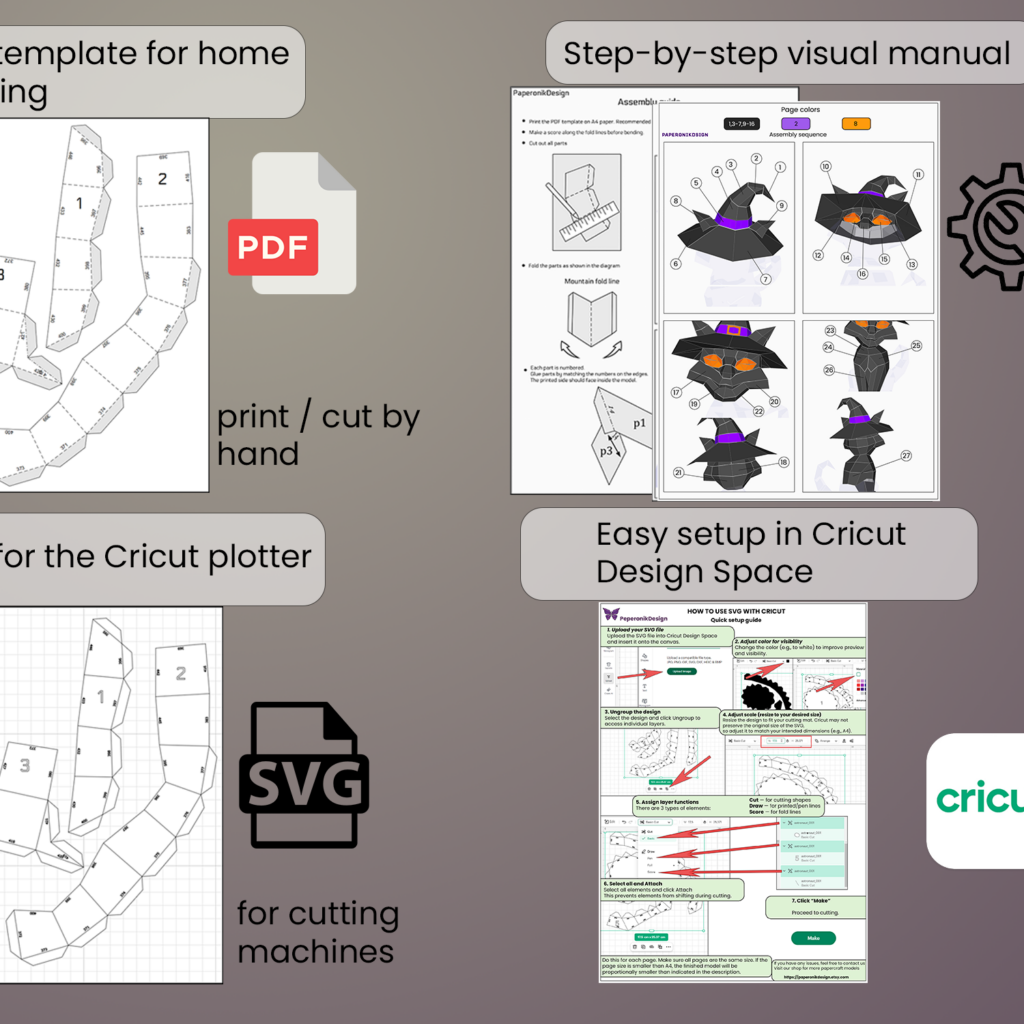
Want to build something today? Have a look at our free papercraft to print, or start with our downloadable PDF papercraft kit.