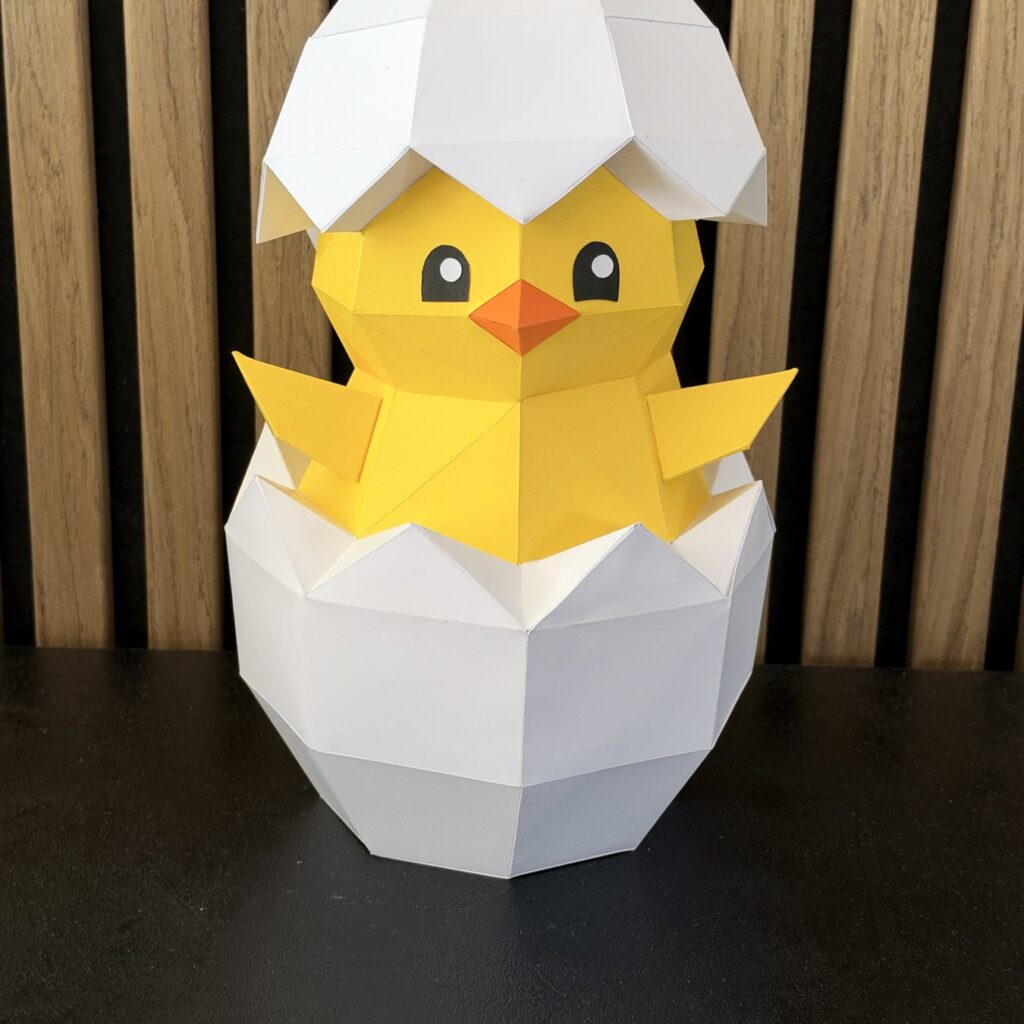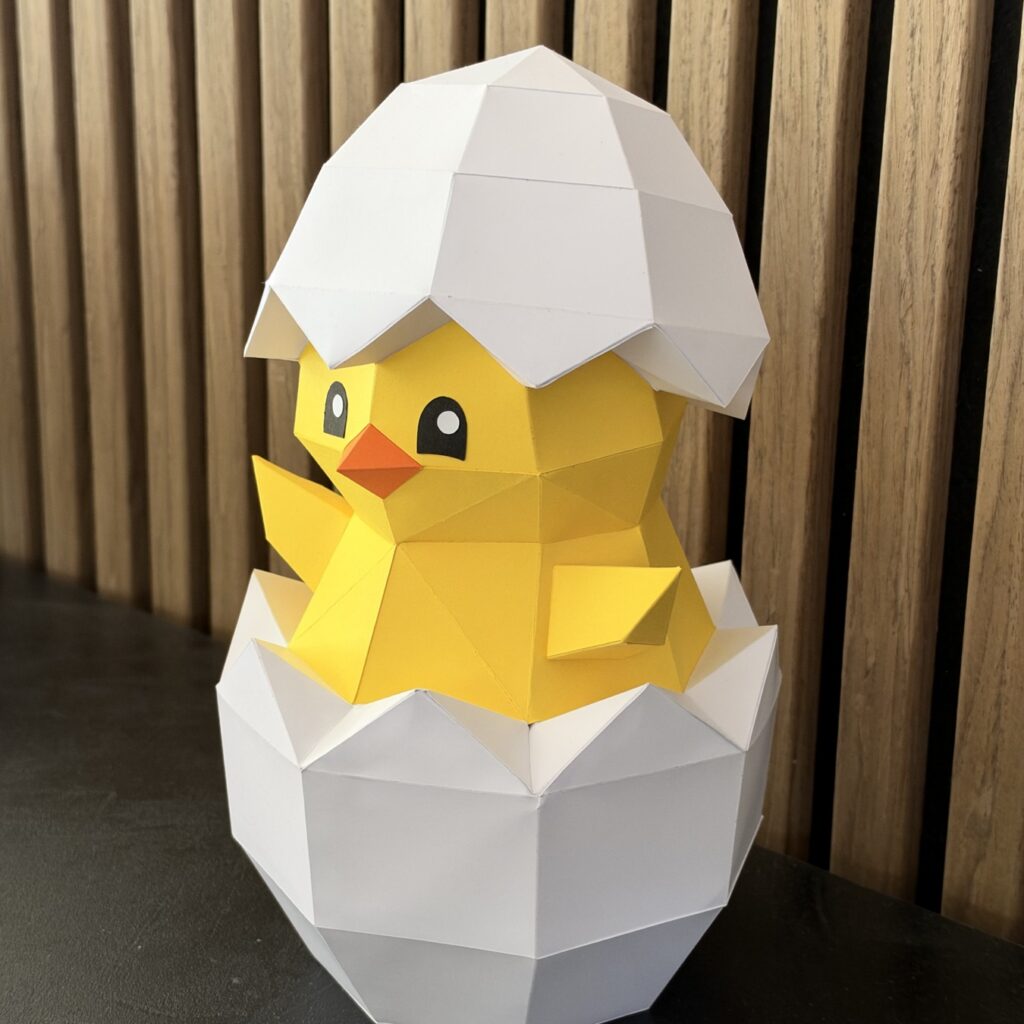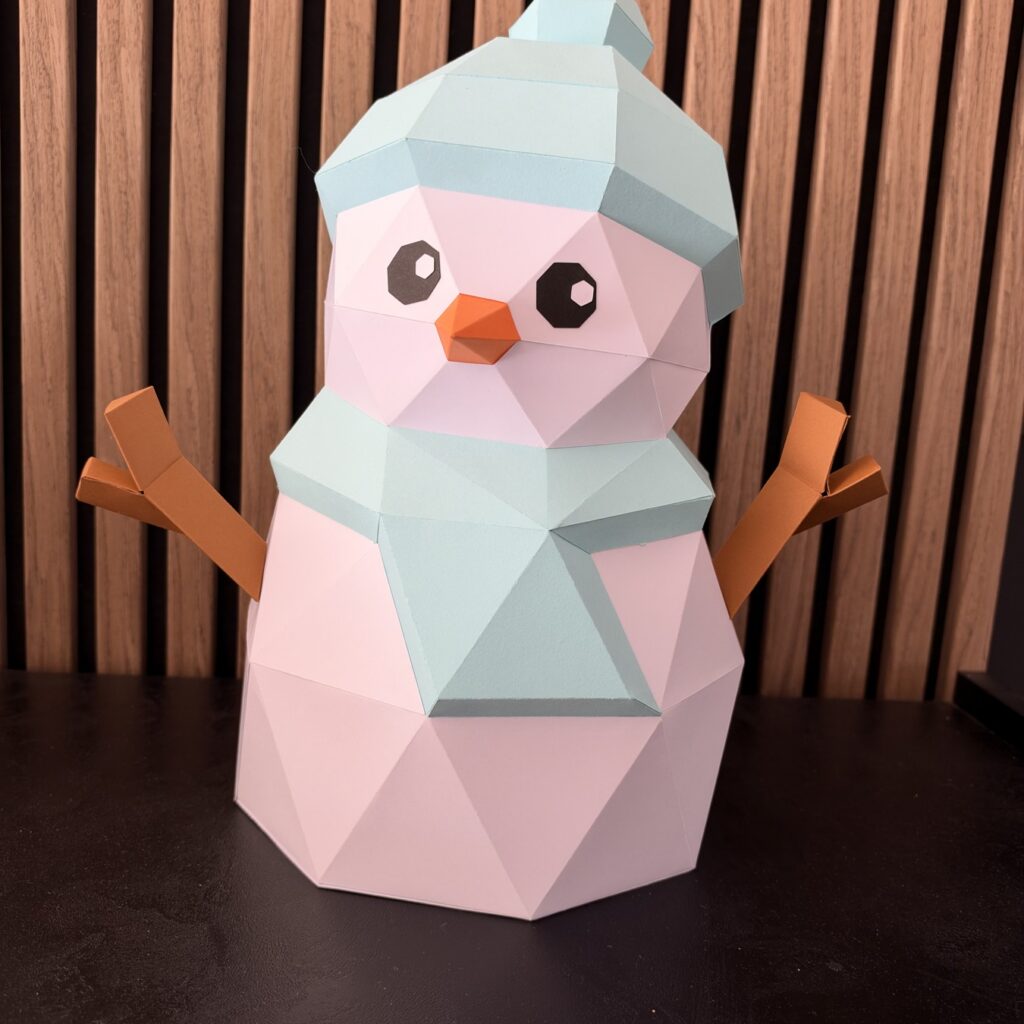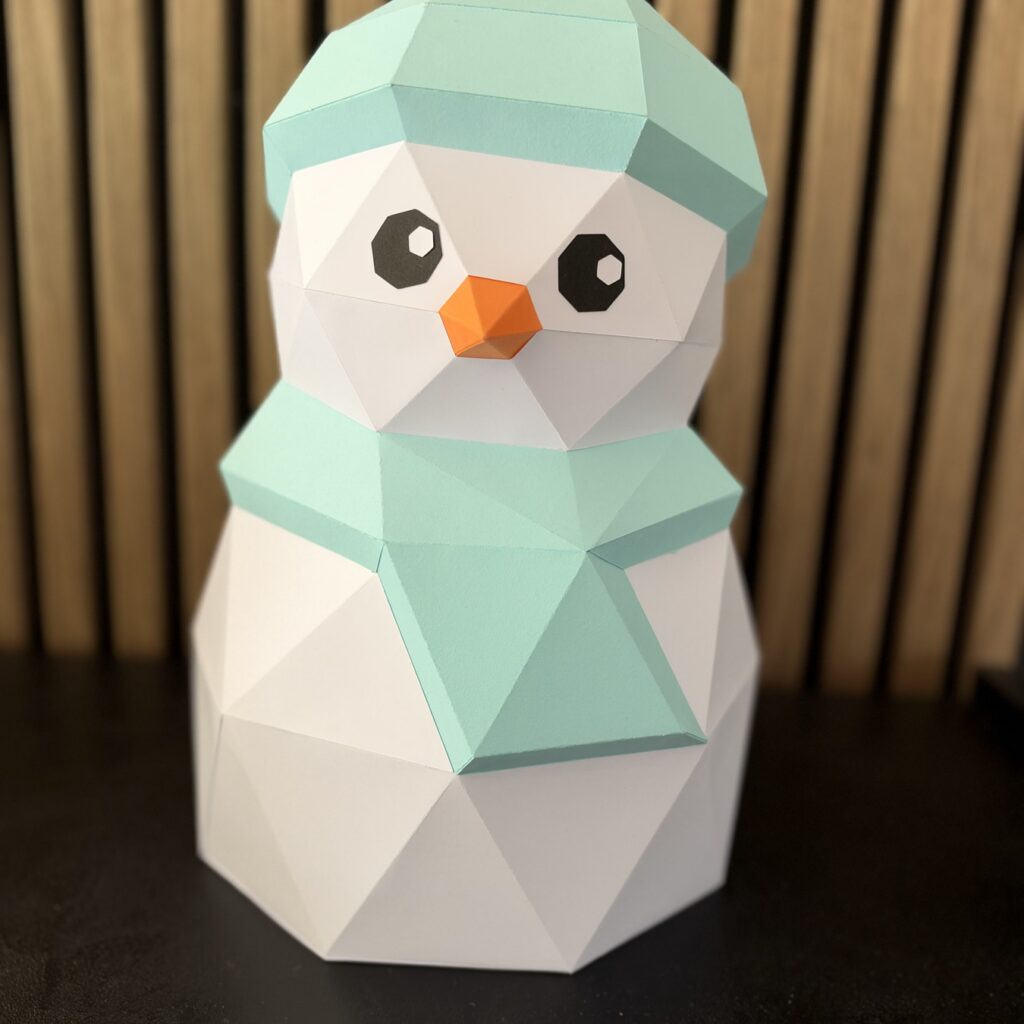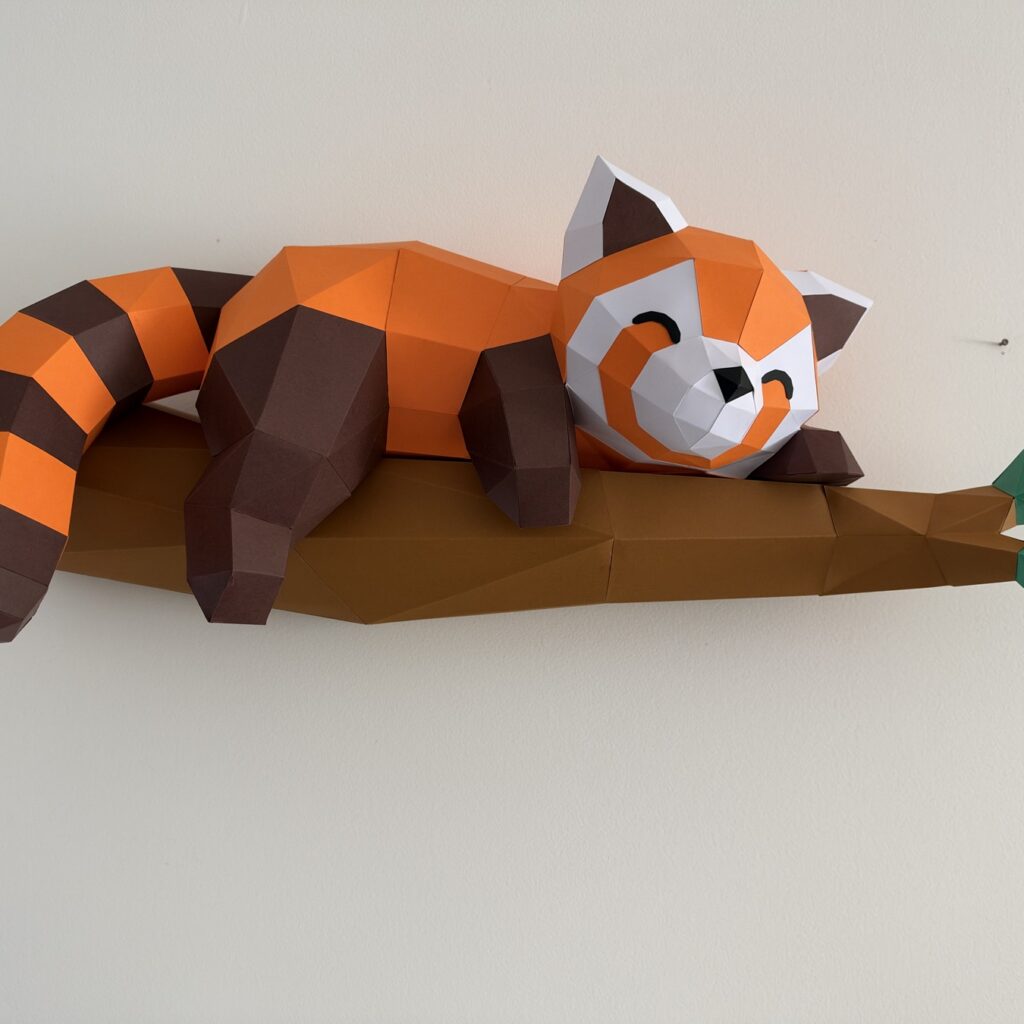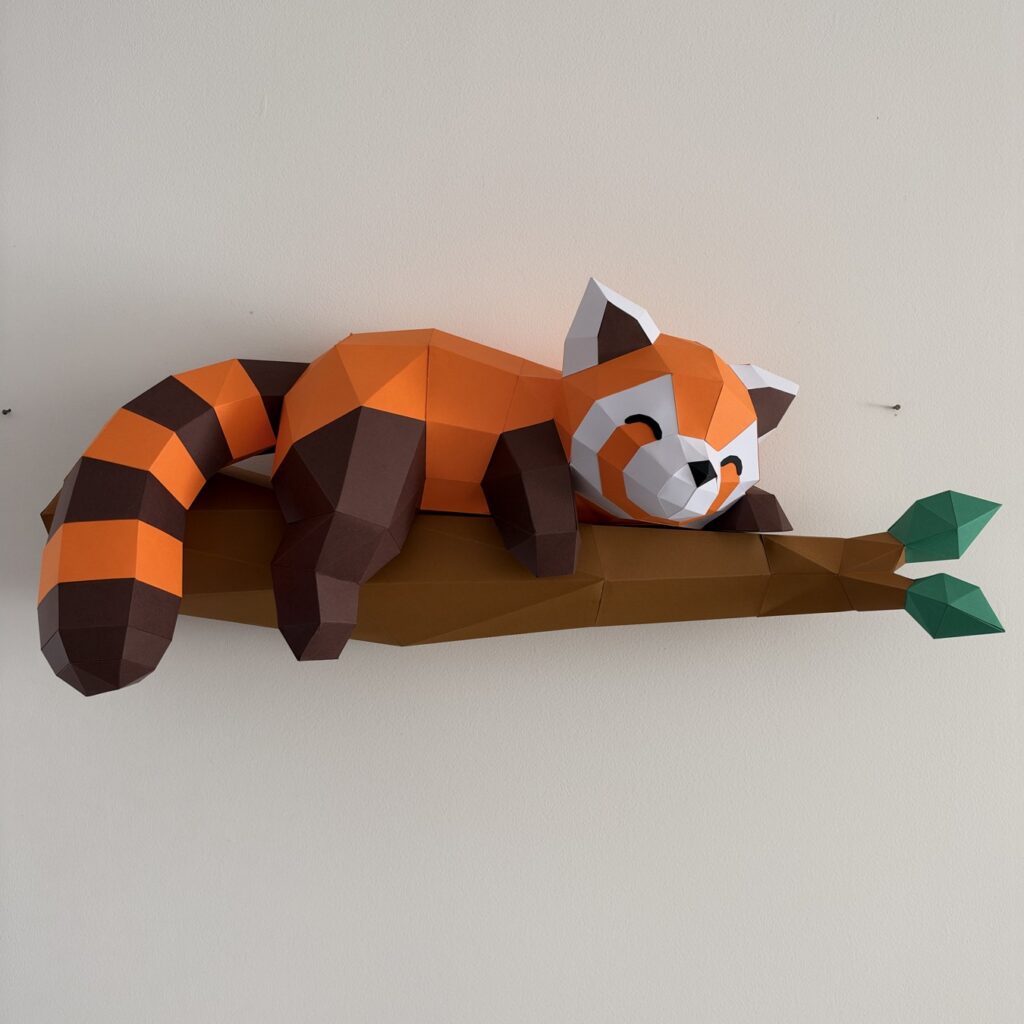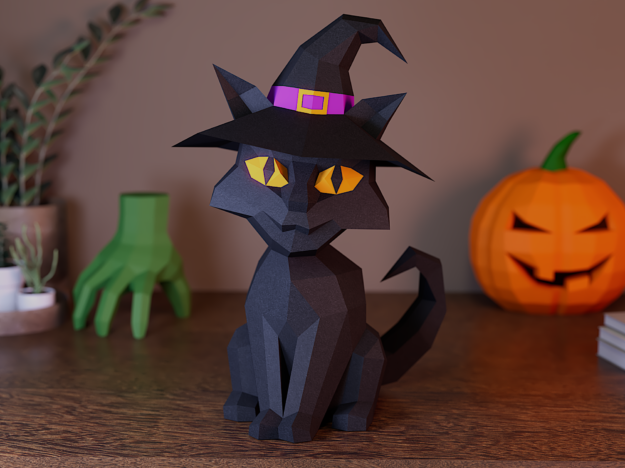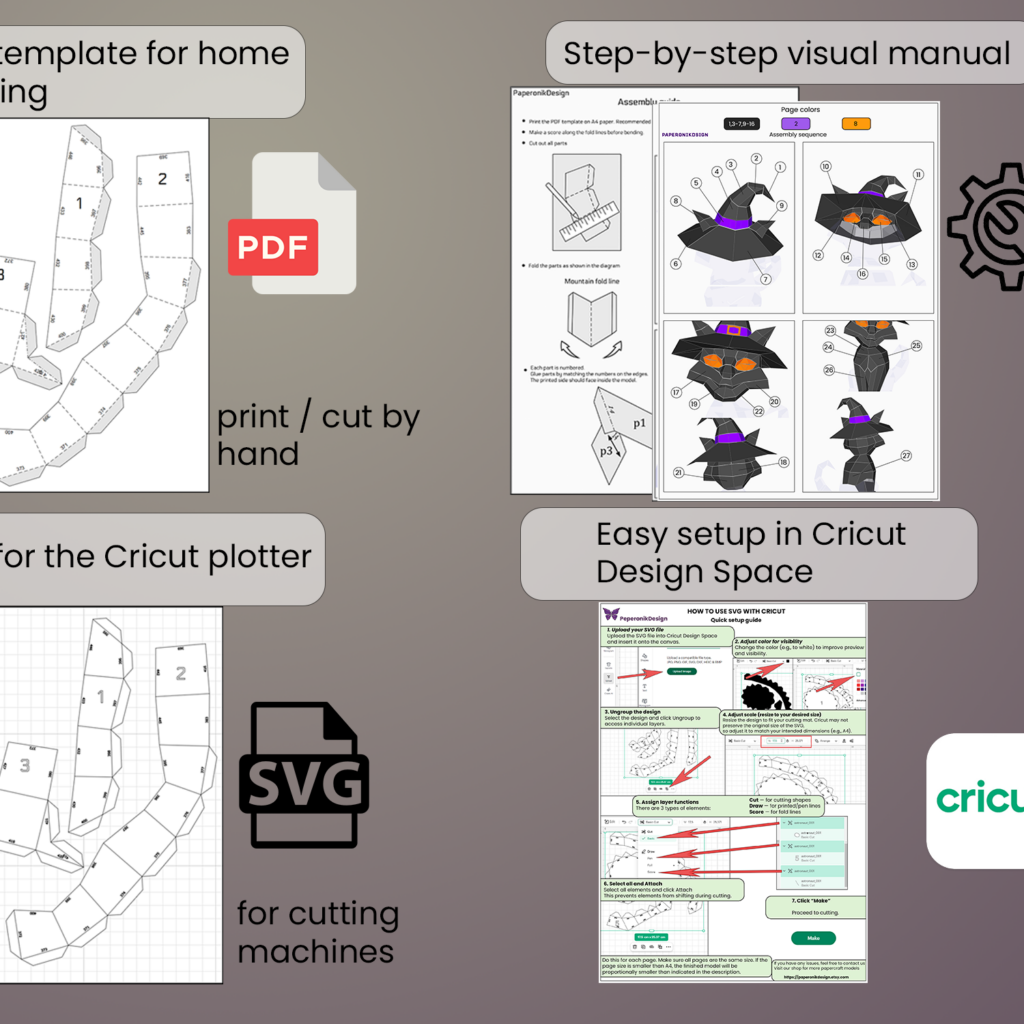
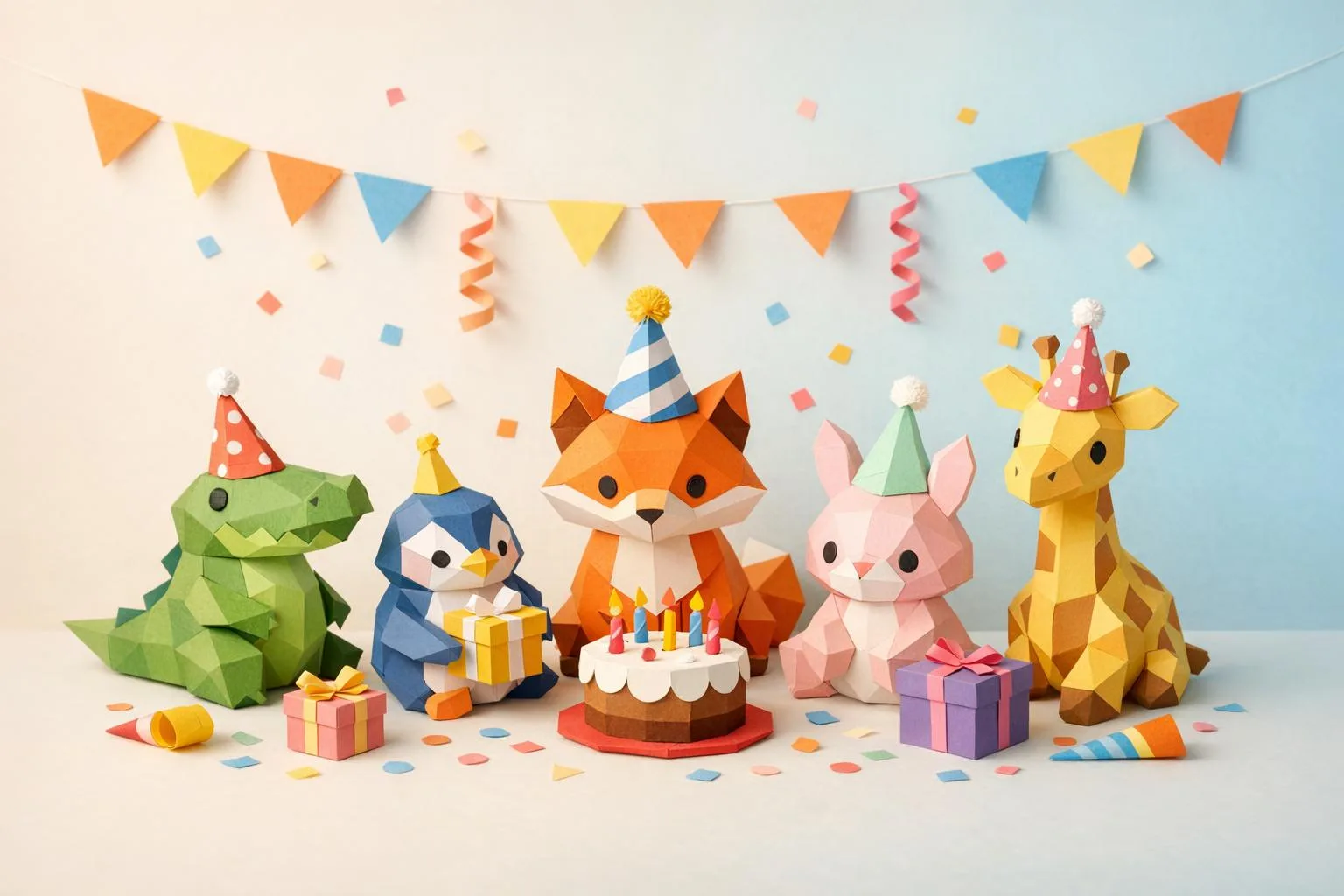
Looking for a kids’ birthday papercraft activity that feels fresh, skips the noisy games, avoids candy bags forgotten the next day, and doesn’t take hours to prep? Good news: a papercraft workshop at home ticks almost every box. It’s creative, calm without being boring, easy to adapt to different ages, and every child goes home with a real creation they’ll be proud to show off. Even better, you can build the whole party around the theme: giant 3D numbers for their age, mini animal trophies as keepsakes, a photo corner, table decor, and a fun hands-on challenge. In this guide, you’ll see why papercraft is such a hit with families in 2026, which models to choose for a successful birthday, how to adapt the activity by age, and how to run the workshop in 5 simple steps without stress or impossible-to-find supplies.

Why kids’ birthday papercraft is booming in 2026
In 2026, parents want birthdays that feel more memorable but are also easier to manage. Papercraft delivers exactly that. Unlike activities that are over in a few minutes, this one lets kids build, handle, customize, and leave with something tangible. It works especially well for groups of 4 to 10 children because it naturally structures the party timeline: cutting, folding, gluing, decorating, then a photo session or mini display of everyone’s creations.
Another reason it’s so popular: papercraft works for almost any age. For younger children, it’s best to choose short, visual, rewarding models like a small animal head or a simple shape. For ages 8-12, you can offer a real mini-project with a “wow” result without making it frustratingly hard. That flexibility makes all the difference. You don’t need to turn the workshop into a full-on arts-and-crafts class - you can simply offer a guided activity lasting 25 to 45 minutes, very easy to run if the materials are prepared properly.
The budget is another big advantage. With a few prints on thick paper, one pair of scissors per child, some glue, and basic organization, you get entertainment + decor + keepsake all in one. While many birthday activities require a paid entertainer or special equipment, papercraft stays affordable. A 3D number showing the child’s age can double as a centerpiece on the table, cake corner, or photo booth. The mini trophies become personalized party favors guests can take home.
Papercraft also has one underrated benefit: it calms the atmosphere. After cake, games, or a treasure hunt, a hands-on workshop helps channel energy without killing the party vibe. Kids focus, compare colors, help each other, and feel proud they’ve made something beautiful. That mix of “quiet activity + visible result” is exactly why this format appeals so much to families, party hosts, and even teachers.
Finally, it fits perfectly with modern party decor: geometric shapes, pastel or pop colors, stylized animals, oversized age numbers. If you want to take the theme even further, you can also check out our tips on the differences between paper art, origami, and papercraft, or explore our complete dinosaur papercraft guide for more party theme ideas. In short, papercraft is a hit because it’s creative, decorative, flexible, and genuinely useful when planning a child’s birthday party.
The best models for a kids’ birthday papercraft activity
For a birthday workshop to work, you need models that are visual, beginner-friendly, and quick enough to get started with. The goal isn’t to set kids up to fail - it’s to give them an easy win. Here’s a selection of models that work especially well for building a party around the child’s age, the theme, and the keepsake each guest takes home.
All 3D papercraft numbers
Price: €25 • Level: easy to intermediate depending on the number
If you want to plan birthday parties without being locked into one specific age, this pack is the smartest option. It includes every number, so you can prep the age you need now and reuse the files for future birthdays, siblings, or even other events. It’s also a great base for a group workshop: one large number as the main decor piece, then smaller matching versions or coordinated elements for the kids. In practice, this pack makes party planning easier because you don’t need to buy a new file every single year.
3D papercraft number 3
Price: €6 • Level: easy
The number 3 is perfect for those first birthdays where kids really start taking part. At this age, the workshop should stay highly guided, but the visual impact of a large number on the party table is instant. You can assemble it beforehand as the main decorative feature, then let the children color it, add stickers, or sign the back. It’s a great choice if you want a short, symbolic activity centered around the birthday age without asking too much fine motor skill from younger guests.
3D papercraft number 4
Price: €6 • Level: easy
Especially useful for preschool or early elementary birthdays, this number 4 works brilliantly as a bold decor piece. It’s ideal if you want a shared group activity: each child colors one section, glues on a pattern, or adds a sticker before the final photo. The biggest advantage of this type of model is the instant “special event” feeling it creates the moment guests arrive. On the snack table, in the entryway, or by the cake, it gives the party a clear visual focus and strengthens the chosen theme.
3D papercraft number 5
Price: €6 • Level: easy
At age 5, kids love activities that make them feel “grown-up” without becoming too technical. This number 5 is ideal as the centerpiece of a kids’ birthday papercraft workshop: you can build it before the party, then give guests a quick decorating mission around it. It’s also a great fit for colorful themes because its shape works beautifully with paper contrasts, light glitter, or metallic markers. The final result looks fantastic in photos, especially next to the cake.
3D papercraft number 6
Price: €6 • Level: easy
The number 6 works especially well for birthdays where you want to blend activity and decor. At this age, some children can already fold or glue small tabs with a little help, which means they can take a more active role. You can use it as a demo project during the workshop: show how to fold, how to assemble, and how a flat shape turns into a 3D object. Kids find that transformation really satisfying. Once finished, the number becomes a strong visual anchor for the gift area or photo booth.
3D papercraft number 7
Price: €6 • Level: easy to intermediate
By age 7, the workshop can start to feel truly creative. The number 7 is especially interesting because it gives a modern, graphic result that fits perfectly with contemporary birthday decor. It can be made by an adult in advance and then personalized by the children, or partly assembled as a mini demo to show them the basics of papercraft. If you want an original party idea without overloading the schedule, this type of decor piece helps you create a cohesive look with minimal materials and reasonable prep time.
3D papercraft number 8
Price: €6 • Level: light intermediate
The number 8 is a favorite for parties where kids want something a little more stylish. Its shape has strong visual presence and works with lots of different themes: rainbow, animals, space, mermaid, superheroes, or jungle. For a birthday at home, you can use it as a welcome piece and ask each guest to stick on a small label with their name or a kind message. It’s an easy way to add a participatory touch to the decor without making the main workshop much longer.
3D papercraft number 9
Price: €6 • Level: light intermediate
For 9-year-olds, you’re entering the age range where kids want activities that feel less “babyish” and more rewarding. The number 9 fits that expectation really well because it has a clean, almost design-led finish that appeals to both children and parents. It can work as the centerpiece of a more structured workshop, paired with small individual trophies. One of the best combos is to keep the number as shared decor and give each guest a small animal model to take home. That way, you get a party that feels cohesive and nicely paced.
Mini 3D papercraft bear head trophy V2
Price: €4 • Level: beginner child with guidance
The mini bear trophy is one of the best choices for a kids’ birthday papercraft activity because it combines three key strengths: it’s cute, instantly recognizable, and compact enough to finish in a realistic amount of time. It’s the kind of model that appeals to all kinds of children without forcing a very specific theme. Each child can pick their own color, draw a snout, add a name, or glue on a little bow. Once finished, the trophy becomes a lasting keepsake - far more memorable than a standard goodie bag.
Mini 3D papercraft rhinoceros head trophy
Price: €4 • Level: beginner to intermediate child
If you want a model that feels a little more original, the rhinoceros is a brilliant idea. It works especially well with a jungle, safari, or world animals theme, and the final look is really satisfying thanks to the horn and strong 3D relief. For a birthday party, it’s practical because it instantly sparks conversation between the children: everyone compares their version, their color choices, and their folds. It’s a great option for groups aged 7 to 10 who enjoy making something a bit more unusual.
Mini 3D papercraft unicorn head trophy
Price: €4 • Level: beginner child with guidance
The unicorn remains a guaranteed hit for a creative birthday. Its big advantage is how easy it is to personalize: pastel mane, gold horn, glitter, stars, stickers, or ribbons. In a workshop, it often gives the most expressive results because each child brings their own little world to the model. If you want an activity that also becomes bedroom decor after the party, this is an excellent pick. The finished trophy can be hung up, displayed on a shelf, or added to a child’s reading corner.
Mini 3D papercraft whale tail trophy for children
Price: €4 • Level: easy
The whale tail is ideal if you want a faster, smoother, less technical workshop than some animal head models. Its shape is clear, soft, and highly decorative. It’s perfect for an ocean, mermaid, holiday, or marine-life theme. It’s also a smart choice for larger groups because, with good prep, there’s much less risk of children getting stuck. The final result looks elegant and can be displayed on a wall, a shelf, or a bedside table after the birthday party.
Want to save time when planning the party? Start with the birthday decor collection featuring all 3D papercraft numbers, then add one or two mini trophies for kids like the bear or the unicorn. That way, you get an activity, decor, and party favor all within the same budget.
How to choose the right kids’ birthday papercraft activity
Choose based on the children’s age
The number one factor is the real age of the group - not just the birthday child’s age. Between ages 4 and 6, fine motor skills can vary hugely. In that range, it’s better to plan for pre-cut pieces or heavily assisted steps. The goal is for every child to enjoy a visible success in under 20 to 30 minutes. From age 7 onward, you can introduce more independent folding and gluing. Around ages 9-10, children often enjoy more graphic models and a bit more freedom with colors and finishing touches.
Choose based on the time you have
A birthday party at home usually follows a tight rhythm: arrival, free play, activity, snack, gifts, quiet time, departure. In practice, a papercraft workshop works really well in a 25 to 45 minute slot. If you have less time than that, it’s better to focus on a very simple model or decoration/customization rather than a full build. Beyond an hour, only the most focused children will stay fully engaged. One of the best formats is to prepare one large decorative piece in advance and reserve a small individual model for the children to finish during the party.
Choose based on the number of guests
The bigger the group, the simpler the activity needs to be. With 4 to 6 children, you can support almost everyone individually and offer a slightly more detailed activity. With 8 to 12 children, you need to think in terms of flow: materials already sorted, identical or nearly identical models, easy-to-use glue, and a well-organized workspace. In that case, mini trophies are often better suited than a large, time-consuming model. It’s also smart to plan 1 or 2 buffer places for children who work faster - or, on the contrary, those who need more help.
Choose based on your prep level
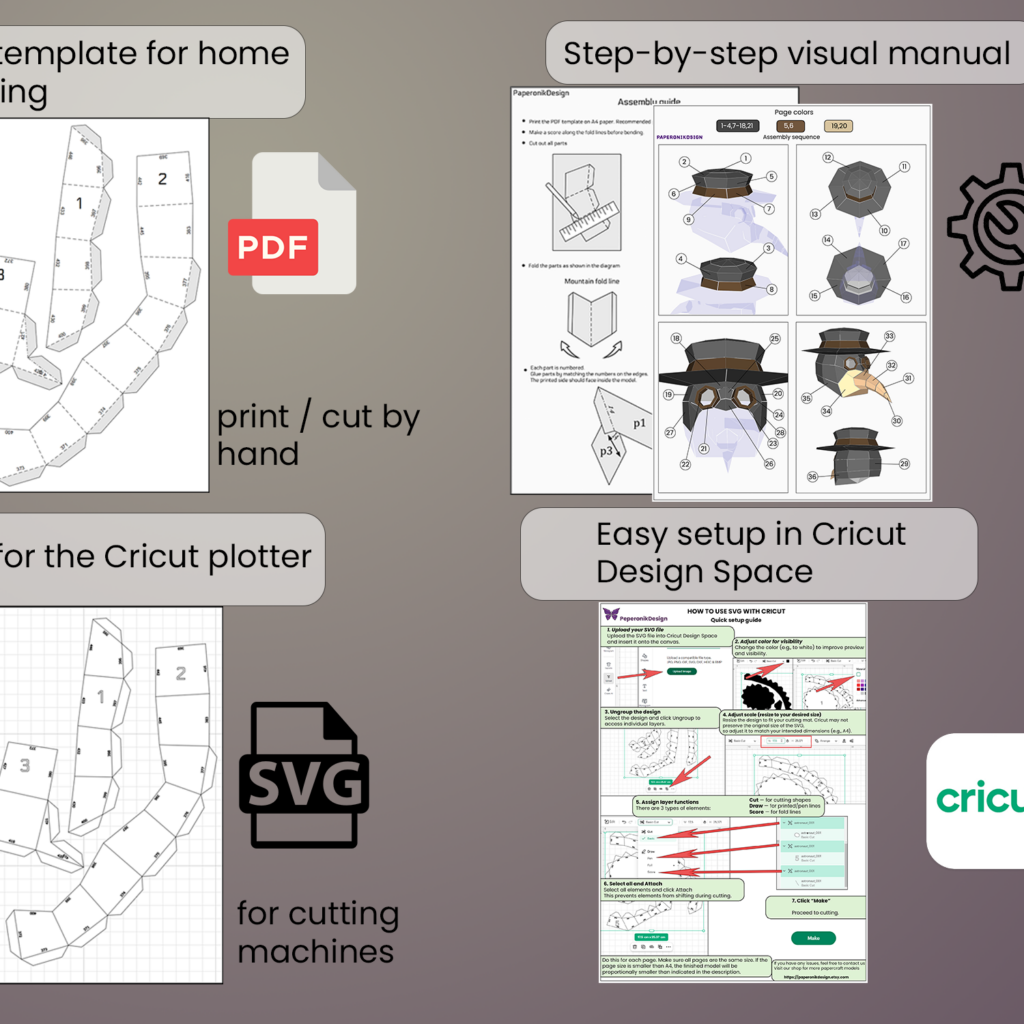
Papercraft isn’t difficult, but the workshop becomes much more enjoyable if you prepare in advance. Printing on the right paper, cutting certain pieces, pre-folding key marks, and putting together individual kits changes everything. If you know you’ll be short on time, choose models you can partly pre-assemble. That’s not “cheating” - it’s simply a smart way to adapt the activity to a birthday party setting. To get started the right way, you can also check out our tips for choosing the right papercraft paper and our guide to choosing the right adhesive.
Choose based on the party theme
A great kids’ birthday papercraft workshop should fit naturally into the overall theme. For an “age spotlight” birthday, 3D numbers are essential. For an animal theme, the bear and rhinoceros work beautifully. For a magical or fairytale setting, the unicorn is an obvious choice. For a marine atmosphere, the whale tail adds a poetic touch and is easy to assemble. Choosing a model that matches the theme makes the whole party feel more thoughtfully designed, without forcing you to buy lots of extra decorations.
Choose based on your budget per child
One of papercraft’s biggest strengths is value for money, because it combines entertainment, decor, and keepsake in one. If you think in terms of total cost, a €4 or €6 model can cover several uses depending on how you include it in the party. The most budget-friendly strategy is often to invest in one main number, like number 1, number 2, or even number 0 to complete a two-digit age, then add a small souvenir trophy. That way, you optimize your budget without sacrificing visual impact or creative fun.
Tutorial: assemble it in 5 steps
1. Prepare the kits before the children arrive
The secret to a successful workshop is preparation. Print each model on paper that’s stiff enough - ideally between 160 and 220 gsm depending on the finish you want. Then group the supplies by child: sheets, scissors, glue stick or suitable adhesive, markers, and optionally stickers. If the children are young, pre-cut the trickiest shapes in advance. You can also number the steps with a small sticky note on each kit to make the start feel smoother.
2. Explain the basics in under 3 minutes
Give a short demo in front of the whole group. Show the difference between folding inward and outward, where to place the glue, and why you need to hold it for a few seconds. There’s no need for a long speech - kids understand much better when they see a tab actually being fixed in place. Keep your tone simple, almost like a challenge: “we’re turning flat paper into a 3D object.” That idea of transformation grabs their attention right away.
3. Guide the build in short sequences
Avoid letting everyone work at their own pace from the very beginning, especially with younger children. Offer a shared progression: first we fold, then we glue this section, then we close the shape. This method limits mistakes and reduces the number of kids calling for help at the same time. For faster children, plan a small bonus customization step: name, patterns, or mini paper accessories. That keeps them engaged while you help the others.
4. Add a very free decoration phase
Once the structure is assembled, leave 5 to 10 minutes for customization. This is often the children’s favorite part. They really make the creation their own by choosing colors, eyes, patterns, or shiny little details. For a birthday party, this step matters because it makes every object unique, even if everyone starts from the same template. It’s also an excellent transition before photos or snack time.
5. Celebrate the finished creations
End the workshop with a mini exhibition. Place the models on a table, take a group photo, then an individual picture with each child and their creation. That moment of recognition matters a lot: it turns a simple craft activity into a real birthday memory. You can also hand out a small “creative diploma” or simply announce a “today’s art gallery” moment. In just a few minutes, you boost the children’s pride and give the workshop a strong ending.

Decor and styling ideas
The most interesting thing about papercraft is that it doesn’t just work as an activity. It also becomes a decorative element that ties the whole party together. Here are 5 simple setups you can create at home.
- Cake table centered around the age: place a large 3D number in the middle, with matching plates and a few paper confetti pieces in the same shades.
- Birthday photo corner: set the number near a light-colored wall and invite the children to pose with their animal trophy at the end of the workshop.
- Creative place cards: write each guest’s name in front of their papercraft kit to create a table setup that’s both useful and beautiful.
- Creation wall: use a shelf or a string with clips to display the finished trophies during snack time.
- Premium party favor: slip each finished creation into a small kraft bag with the child’s name on it to replace the classic gift bag.
These setups have one concrete advantage: they give the party a real visual identity without requiring lots of disposable decorations. Papercraft becomes a more lasting, more personal, and often more memorable decor solution for children.
Frequently asked questions
From what age can you offer a papercraft workshop for a birthday party?
From age 4, it’s possible - as long as you simplify heavily: pre-cut pieces, guided gluing, and a short format. From ages 6-7, children become more independent. Around ages 8-10, they can fully enjoy a real small project to assemble.
How long does a kids’ birthday papercraft activity last?
The ideal format is between 25 and 45 minutes. Below that, it’s better to focus on quick customization. Beyond that, you’ll need a very motivated group and good supervision. For a classic party at home, 30 minutes works really well.
What paper should you use so it’s strong enough?
For most children’s models, paper between 160 and 220 gsm offers a good balance between sturdiness and easy folding. Paper that’s too thin bends out of shape, while paper that’s too thick becomes hard for small hands to manage.
Should you prepare the models before the party?
Yes, absolutely recommended. Print everything in advance, sort by child, and pre-cut delicate parts if the group is young. That preparation reduces stress and makes the workshop much smoother.
How many children can you manage at the same time?
On your own, you can comfortably manage 5 to 6 children with proper support. Beyond 8, it’s better to simplify the model or have a second adult available to help during the gluing stages.
Can papercraft replace party favor bags?
Very often, yes. A small personalized trophy that a child made themselves has much more emotional value than a bundle of standard little items. It works as a keepsake, an activity, and a take-home gift all at once.
Which model should you choose for a mixed birthday group?
The bear, rhinoceros, and whale tail are excellent all-round choices because they appeal widely without feeling too gendered. A shared 3D number also works really well as a collective decor piece.
How do you stop the workshop from turning into chaos?
Prepare individual kits, give a very short demo, move step by step with the whole group, and limit choices at the start. A simple activity that’s well structured and well set up will always be more successful than a project that’s too ambitious.
Conclusion - where should you start?
If you want to organize a successful kids’ birthday papercraft activity without overcomplicating things, start with a simple setup: one large 3D number to highlight the age and decorate the party, then one small animal trophy as the individual take-home creation. It’s the safest combo for a smooth activity, great photos, and a keepsake that actually lasts. For younger children, choose short, well-prepared models. For older kids, leave a bit more freedom in colors and finishing details. Either way, papercraft brings something rare to a child’s birthday party: a real creative moment that feels calm, rewarding, and memorable.
Ready to plan a creative birthday that children will genuinely remember? Discover the best-fit models on Papercraft-3D.com, choose your number pack, and add a children’s trophy like the unicorn or the bear: free shipping from €69 to France and across Europe, including Switzerland.
Read next
- Paper art, origami, papercraft: what’s the difference?
- How to choose paper for papercraft?
- Which adhesive should you choose for papercraft?
- Dinosaur papercraft: the complete guide
You may also like: setting up a creative corner at home.