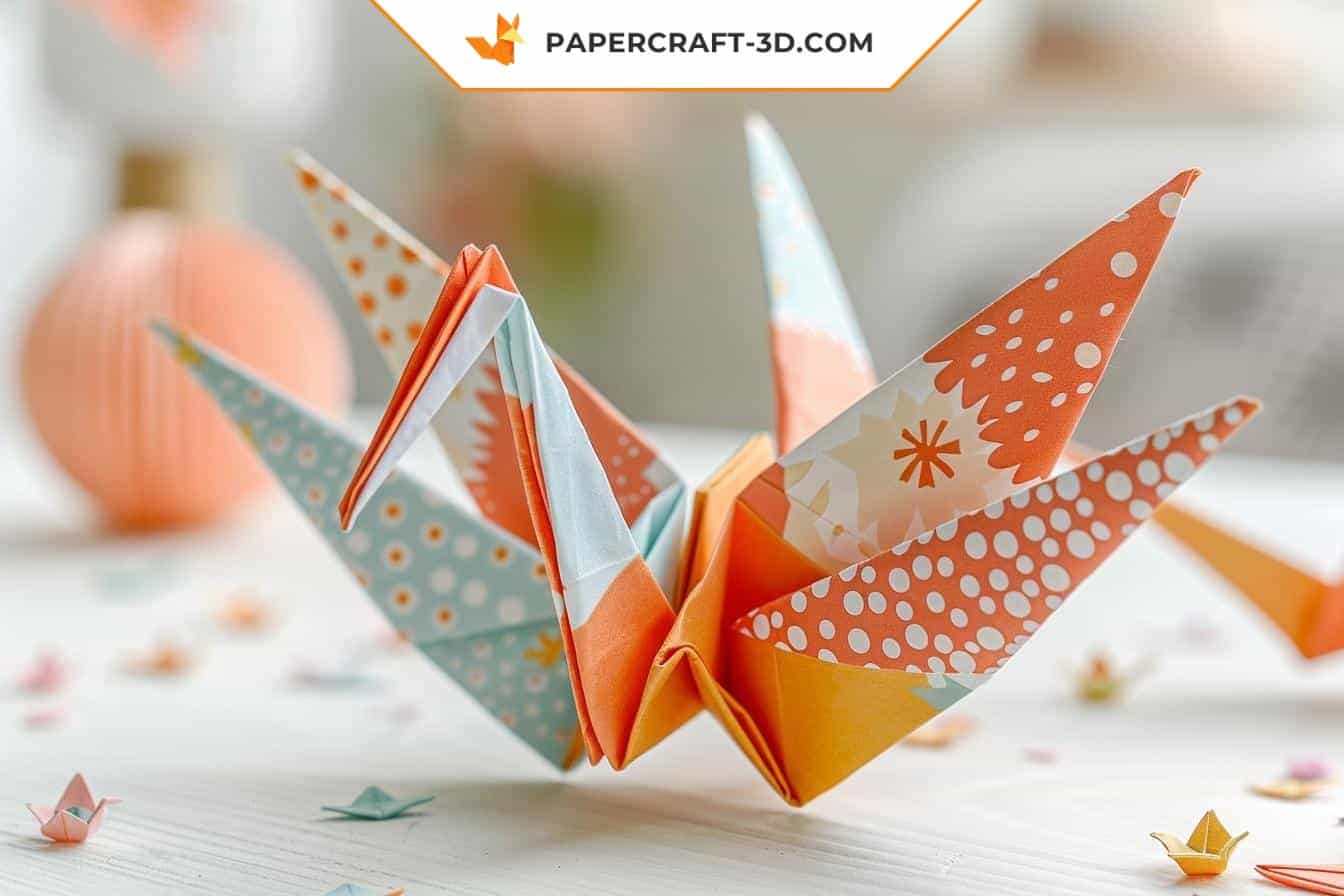
Quick answer: the best origami paper for beginners is thin, square, easy to crease and forgiving when you refold a model. Start with kami or standard origami paper for most projects, keep printer paper for practice folds, and move to washi, tant or metallic paper only when the model or finish needs it.
Best origami paper for beginners: quick buying guide
If you are new to folding, choose paper that makes the first steps easier rather than paper that only looks impressive. A beginner sheet should hold a clean crease, reverse without tearing too quickly, and stay thin enough when several layers meet at the same corner.
| Paper type | Beginner level | Typical weight to look for | Best use |
|---|---|---|---|
| Kami / standard origami paper | Best first choice | Light to medium, often around 60-80 gsm | Cranes, animals, flowers and daily practice |
| Printer paper cut into a square | Good for practice | Usually around 80 gsm | Learning the sequence before using nicer sheets |
| Tant paper | Intermediate | Medium weight with a textured feel | Decorative models that need richer colors |
| Washi paper | Intermediate to advanced | Varies by sheet; test one fold first | Display pieces, gifts and traditional textures |
| Metallic or foil paper | Use sparingly at first | Thin but less forgiving | Sharp decorative details once you know the model |
What GSM is best for beginner origami?
For simple beginner origami, a light or medium sheet is usually easier than thick craft paper. As a practical rule, start near the 60-80 gsm range for classic models. It folds cleanly without building too much bulk. Very thick paper may feel premium in your hand, but it becomes difficult when a model has many layers, tiny reverse folds or narrow points.
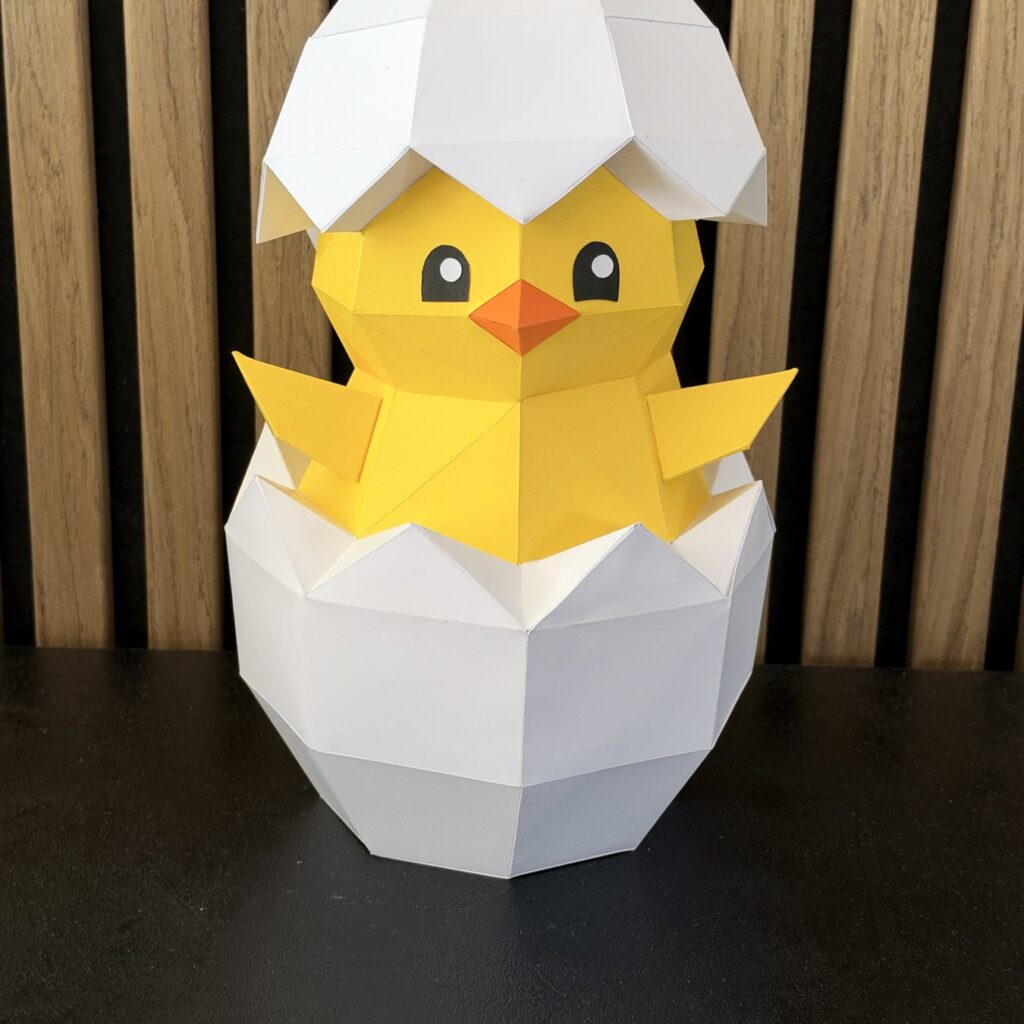
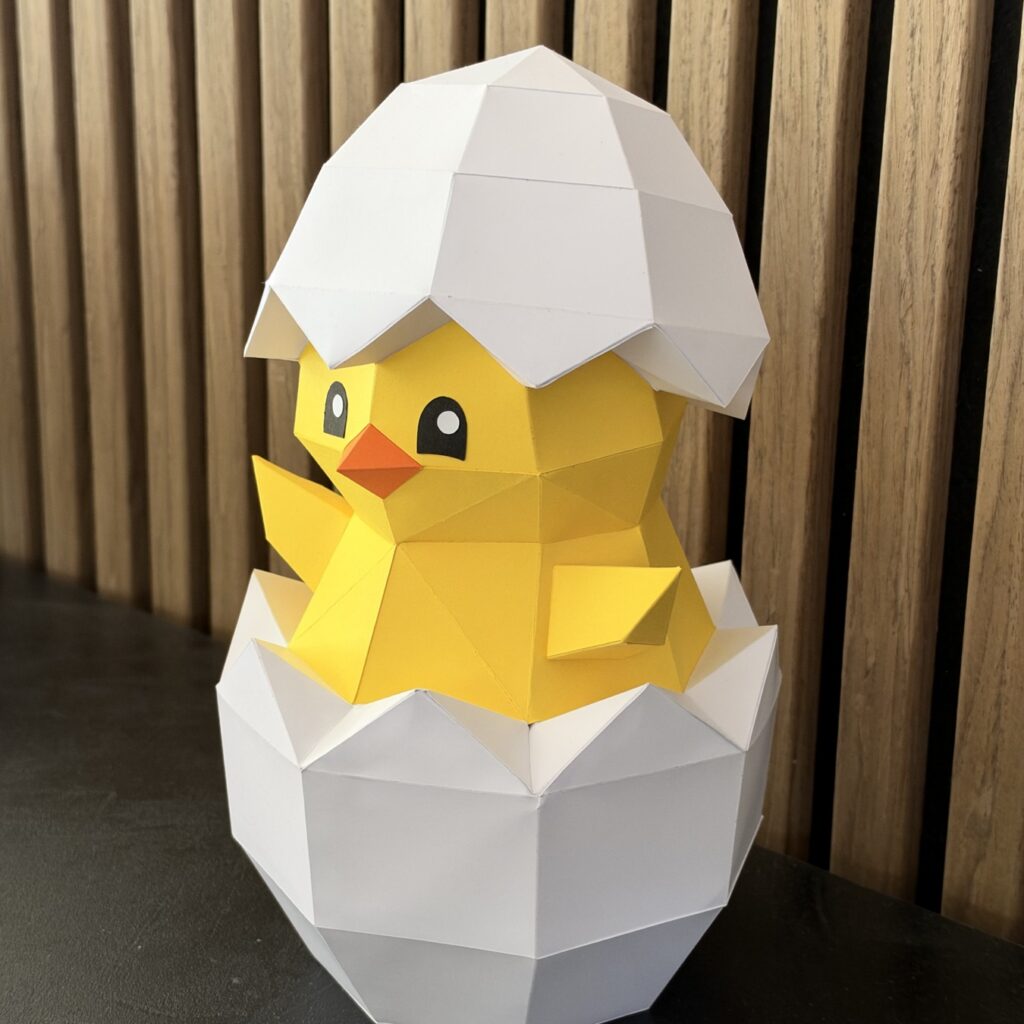
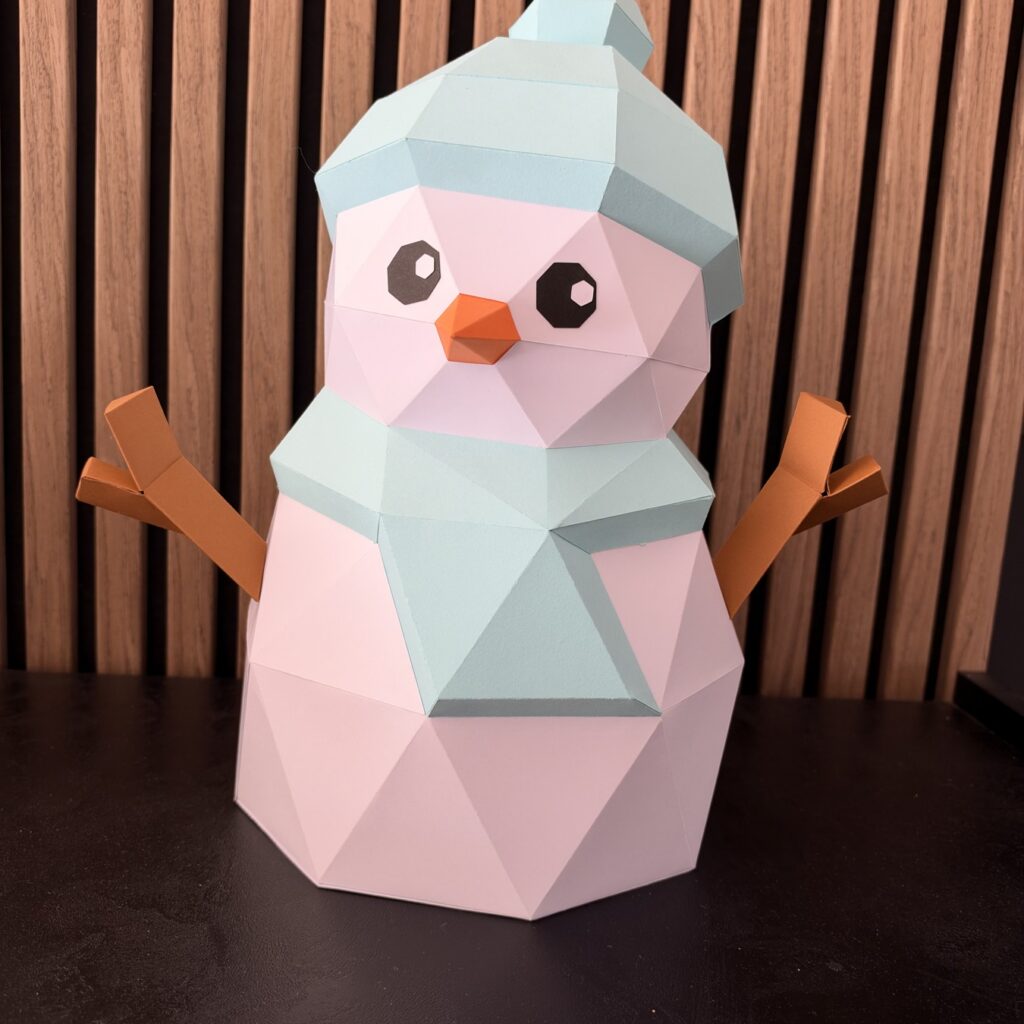
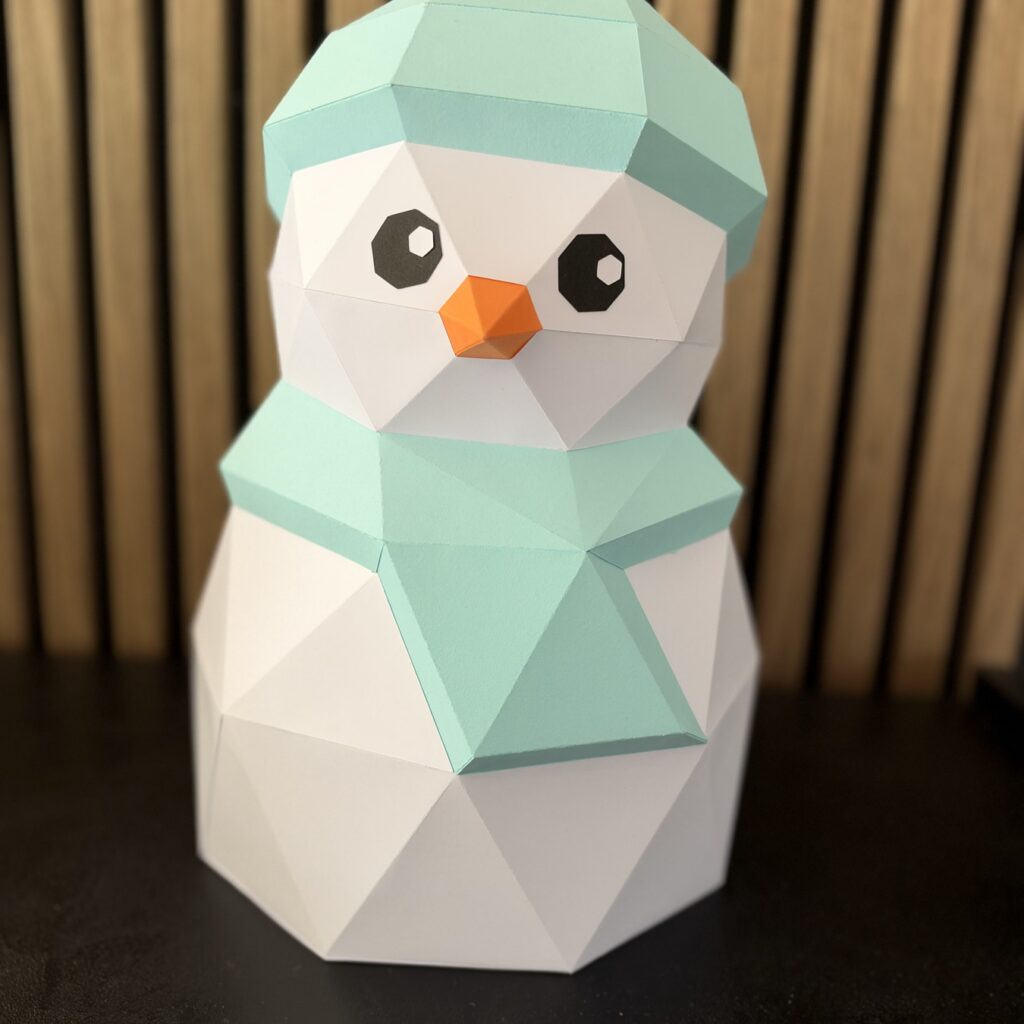
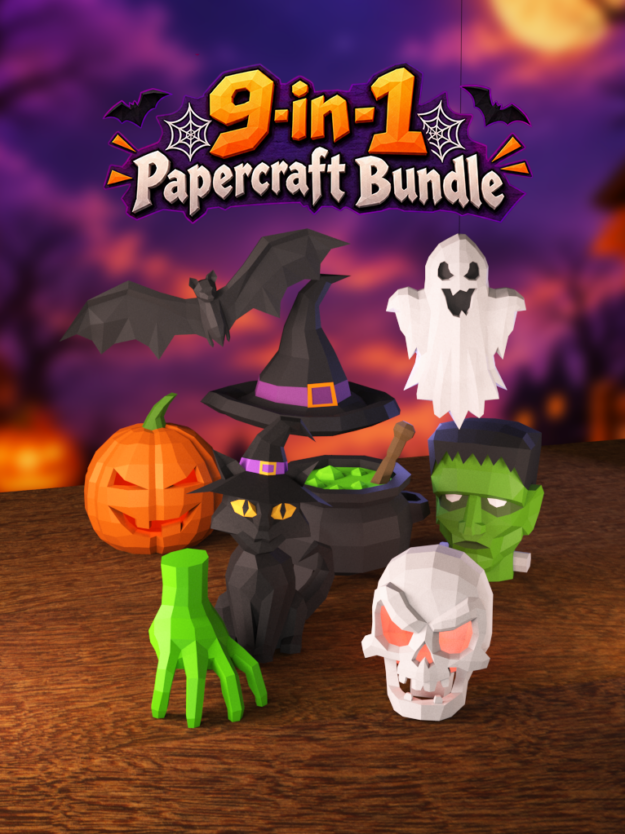
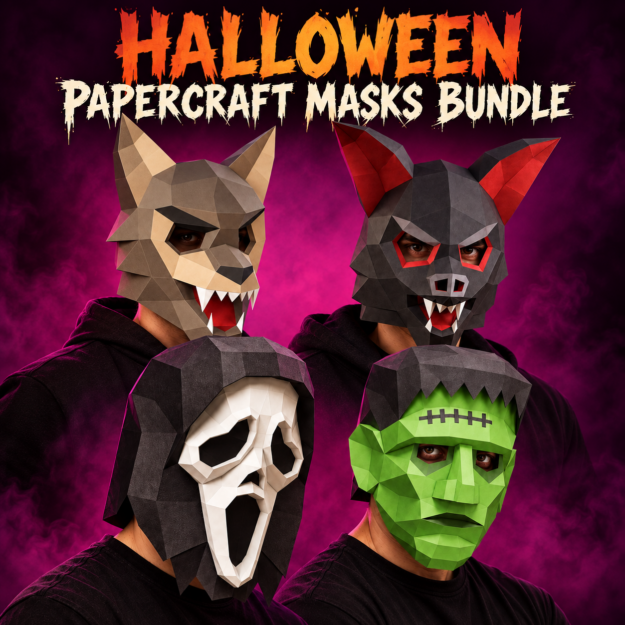
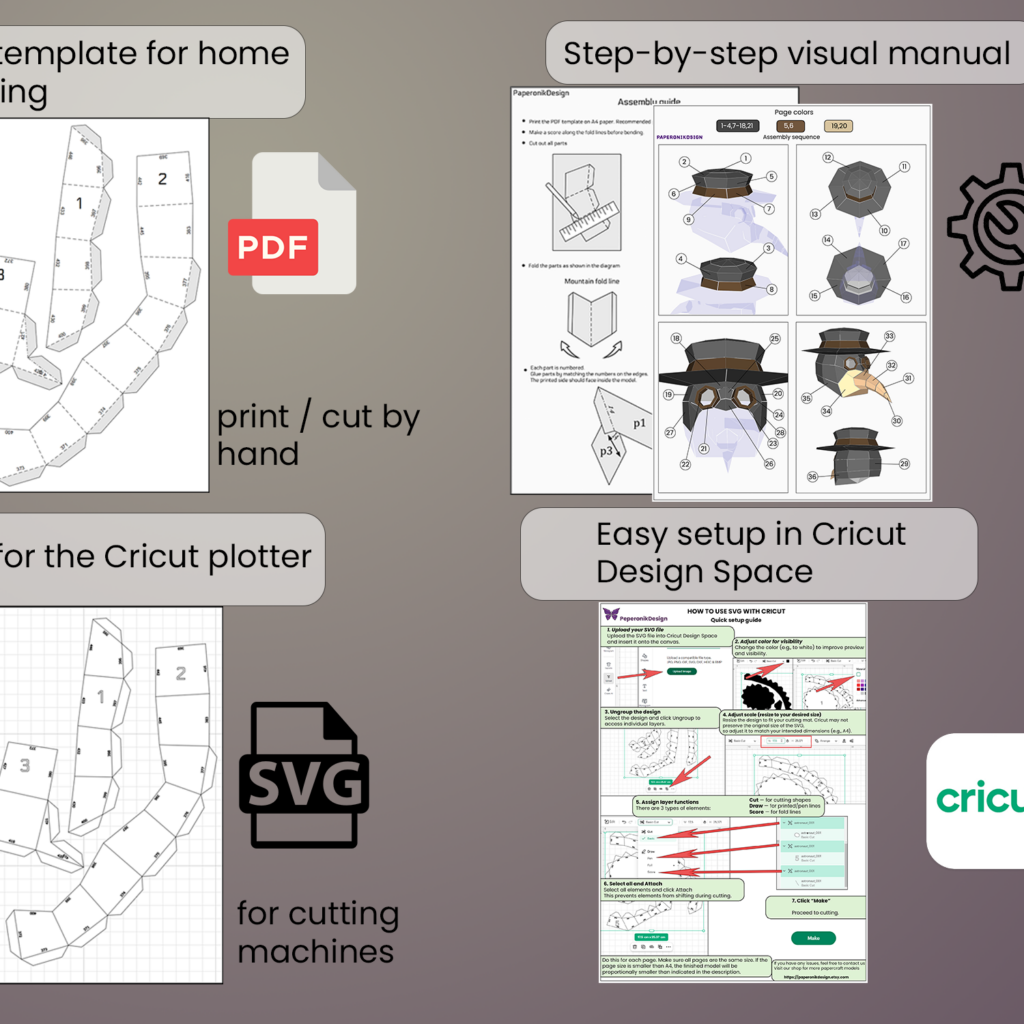
For 3D papercraft, the logic changes: sturdier sheets are useful because the model needs structure after cutting, scoring and gluing. If you want to compare folding paper with printable 3D paper models, visit the origami paper collection and the downloadable papercraft PDF kits.
Common beginner mistakes when choosing origami paper
- Starting with paper that is too thick: it hides the fold lines and makes layered models bulky.
- Using a rectangle without trimming it: most beginner origami tutorials assume a perfect square.
- Choosing glossy paper too early: it can slip while you fold and shows mistakes more clearly.
- Ignoring paper direction and texture: textured sheets look beautiful, but they can resist tiny folds.
- Practicing directly on expensive sheets: learn the sequence on a simple square first, then fold the final version.
Beginner-friendly projects to try next
Once you have the right sheet, keep the first model simple and repeat it several times. For an easy transition from flat folding to decorative paper models, explore free papercraft models to print, 3D origami projects for children or animal designs in the 3D origami animals collection.
| Main idea | Details |
|---|---|
| ? Choice of paper | Crucial factor influencing aesthetics and workability. |
| ? Paper for beginners | Prefer kami paper for beginners, economical and colorful. |
| ? Advanced papers | Explorer Washi for strength and unique aesthetics. |
| ? Folding techniques | Learn basic and advanced folds to enrich your practice. |
Origami, the art of paper folding originating in Japan, appeals to a wide audience because of its apparent simplicity and the diversity of what can be created. However, the quality of the final work depends greatly on the choice of paper. This guide explores the different types of paper available and provides advice on selecting the ideal paper for your origami projects, whether simple or complex.
Ordinary papers
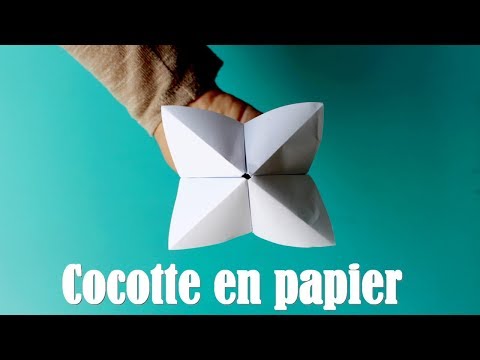
Before delving into the specifics of specialized papers, it’s essential to know the starting options for any origami enthusiast. Kami paper, often used for beginners, is lightweight and offers a wide range of colors. It’s an economical choice for beginners. For those looking for a little more strength without breaking the bank, kraft paper is a great alternative. However, its natural brown color limits aesthetic possibilities without further treatment or the use of paints and markers.
The choice of paper influences not only the visual aspect of origami, but also its handling during folding. Here’s a list of commonly used papers:
- Kami paper: Lightweight and colorful, ideal for beginners.
- Kraft paper: Resistant and inexpensive, but less attractive.
- Printer paper: Accessible and versatile, though not very traditional.
Each type of paper has its advantages and disadvantages. So the choice will depend on your project and personal preferences. To learn more about basic origami techniques, you can consult How to make origami easily: A step-by-step guide for beginners.
Elaborate origami papers
In addition to common papers, there are specialized papers designed to meet the needs of more advanced folders or those looking to create origami with a particular aesthetic. Washi paper, with its Japanese origins, stands out for its exceptional strength and unique texture, enabling precise, long-lasting folds. Its higher cost reflects its superior quality and traditional motifs.
Here are just a few of the elaborate papers suitable for origami:
- Washi paper: Traditional and durable, perfect for delicate works.
- Tant paper: Offers a wide variety of colors and is suitable for various folds.
- Metallic paper: Add a unique shine to your creations.
- Lokta paper: Durable and with a distinct texture, it comes from Nepal.
The choice of paper can transform a simple fold into a true work of art. For tips on how to harden origami paper and make your creations more resistant, please see How to harden origami paper: Essential techniques and tips.
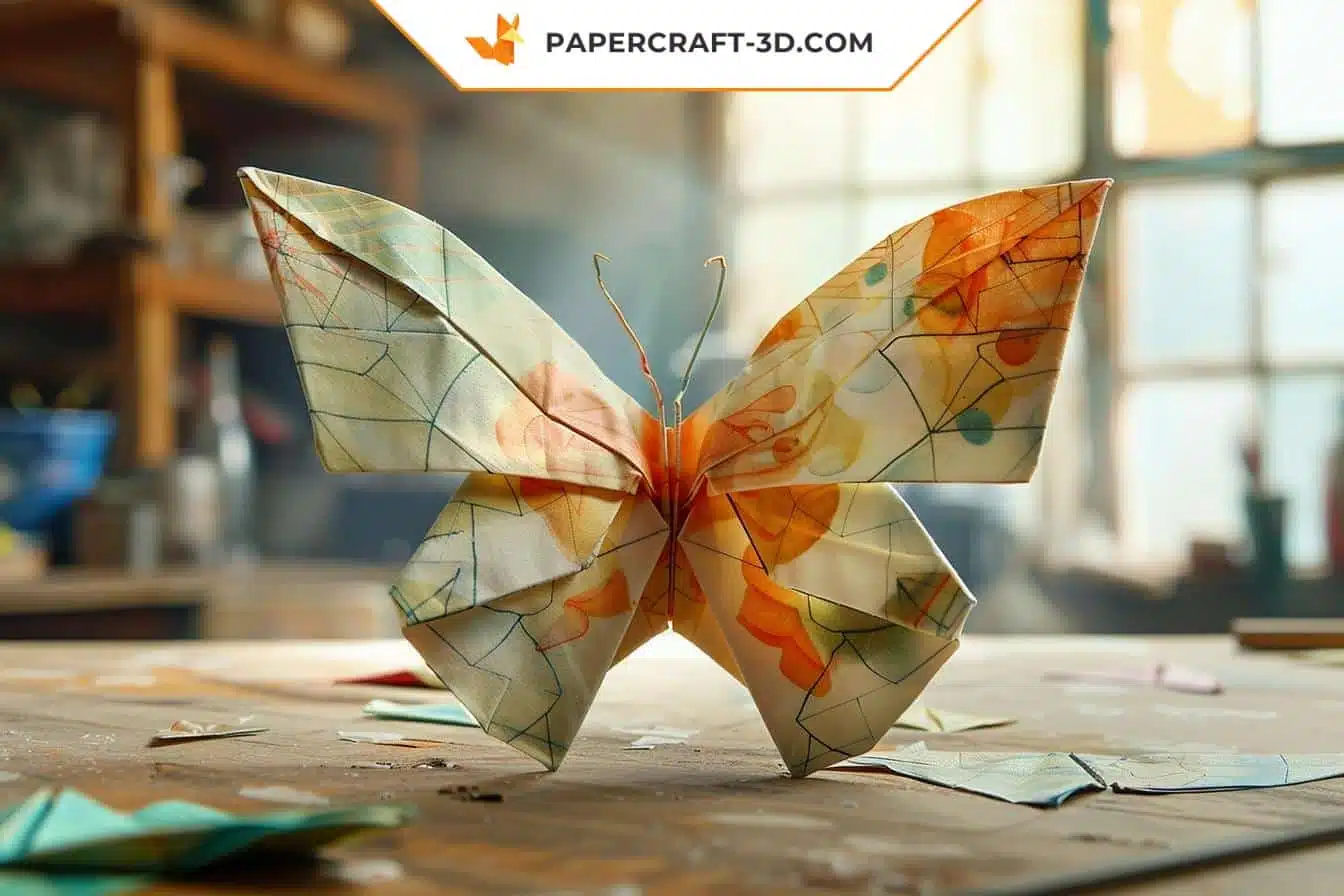
Five origami techniques every folding artist should know
Mastering some basic folding techniques can greatly enrich your origami practice. Here are five essential techniques:
- The valley fold: Fundamental, this involves folding the paper towards you.
- The mountain fold: The opposite of the valley fold, it folds away from itself.
- The reverse fold: more advanced, to change the direction of a fold.
- The bird base: the starting point for many animal models.
- Folding in motion: To create origami that can move.
The diversity of papers and the knowledge of different folding techniques will enable you to create ever more impressive origami. For those interested in other forms of paper folding, such as papercraft, discover Which paper to choose for papercraft? A complete guide to the best types.
| Paper type | Specifications | Recommended use |
|---|---|---|
| Kami paper | Light, colorful | Beginners, daily practice |
| Washi paper | Traditional, textured | Fine art, gifts |
| Metallic paper | Glossy, rigid | Art projects, decorations |
Each type of paper is a world unto itself, offering infinite creative possibilities. Whether you’re just beginning to explore the art of origami or looking to perfect your techniques, the key is to choose the right paper for your project. With the right materials and a little patience, origami proves to be an inexhaustible source of satisfaction and beauty.
You may also like: what kirigami is and how it differs from origami, how to harden and stiffen paper.